





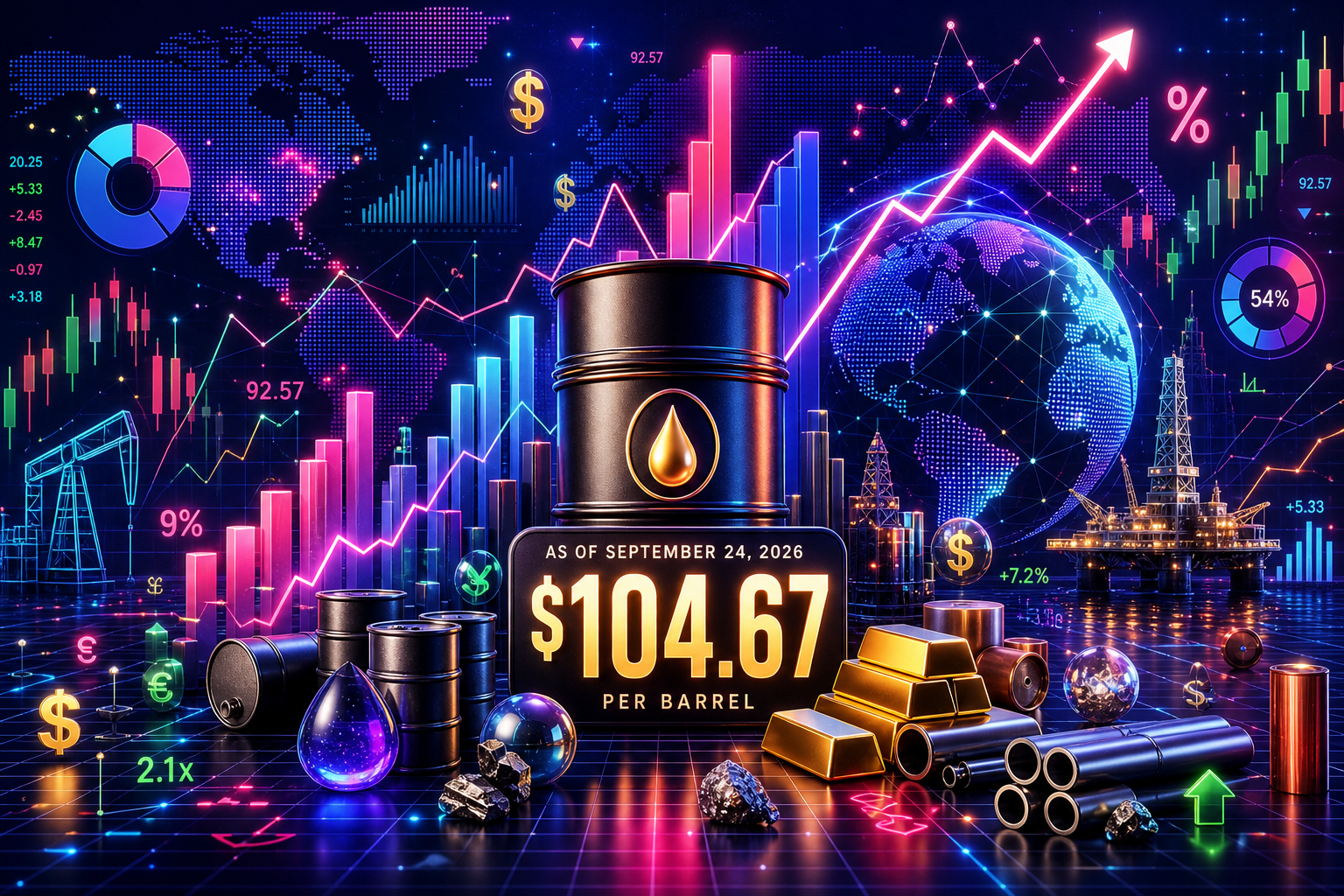
The oil market is experiencing a notable surge, with prices reaching $104.67 per barrel (Brent benchmark) by 10 a.m. Eastern Time today. This represents a $2.64 increase from yesterday and an astonishing $36 rise compared to the same time last year. As we delve into this volatile commodity, we explore the underlying factors influencing oil prices, their correlation with gas prices, and the broader economic implications this surge may have.
Understanding Oil Price Dynamics
Oil prices are influenced by a complex interplay of supply and demand, geopolitical tensions, and market sentiment. The fundamental principle of supply and demand remains the backbone of price determination, yet it is far from straightforward.
-
Supply Factors: Events such as conflicts in oil-producing regions, decisions made by the Organization of the Petroleum Exporting Countries (OPEC+), and changes in production levels significantly affect supply. For instance, recent sanctions on key oil producers have tightened global supply chains, leading to upward pressure on prices.
-
Demand Factors: On the demand side, economic growth, energy policies, and seasonal shifts all play critical roles. An uptick in global economic activity typically leads to increased demand for oil, which can drive prices higher. Conversely, recessions or economic slowdowns tend to reduce demand and, subsequently, prices.
The Gas Pump Effect: Translating Oil Prices to Consumer Costs
The average consumer often feels the impact of rising oil prices at the gas pump before they see it reflected in other areas of the economy. Each gallon of gasoline consists of several components:
- Crude Oil Costs: This is the largest portion, usually accounting for more than 50% of the total price.
- Refining Costs: The process of converting crude oil into gasoline incurs expenses that vary based on capacity and technology.
- Wholesalers and Retail Markups: Distributors and gas stations add their markups, which can differ significantly from region to region.
- Taxes: Federal and state taxes also play a crucial role in final gasoline prices.
When oil prices spike, consumers can expect rapid increases at the pump. This phenomenon is often described using the term "rockets and feathers" — oil prices soar quickly like a rocket, while declines fall slowly like feathers. This disparity can lead to frustration among consumers, as they witness the immediate impacts of rising prices but not the same urgency in price declines.
The Role of the U.S. Strategic Petroleum Reserve
In times of crisis, the U.S. Strategic Petroleum Reserve (SPR) serves as a critical buffer. Established in 1975, the SPR is designed to protect the U.S. economy during energy supply disruptions caused by geopolitical tensions, natural disasters, or other emergencies.
-
Emergency Response: When oil prices surge due to sudden supply shocks (like war or severe weather), the SPR can release crude oil into the market to stabilize prices temporarily. This action, however, is not a long-term solution, as the reserve is meant to provide short-term relief rather than address underlying supply issues comprehensively.
-
Historical Usage: The SPR has been tapped in several instances, most notably during the Gulf War and Hurricane Katrina, showcasing its importance in maintaining economic stability.
Interplay Between Oil and Natural Gas Prices
Oil and natural gas are two of the primary fuels fueling the global economy. The relationship between the two commodities is complex and often intertwined. When oil prices increase, industrial sectors may pivot towards natural gas as a substitute, heightening demand for gas and consequently increasing its price.
For instance, if rising oil prices make it more expensive to operate machinery that runs on oil, companies may shift to natural gas, leading to a spike in its demand. This interconnectedness means that fluctuations in oil prices can have ripple effects across the energy market.
Historical Context: Oil Price Volatility Over the Decades
To understand the current surge in oil prices, it's essential to look at historical trends. The oil market has been characterized by periods of extreme volatility, driven by various geopolitical and economic factors.
-
The First Oil Shock (1973): During the Yom Kippur War, OPEC imposed an oil embargo against the U.S. and other nations, leading to skyrocketing prices and a global energy crisis. This event marked a significant turning point in energy politics and consumption patterns.
-
Mid-1980s Drops: Prices fell sharply due to a combination of reduced demand and increased production from non-OPEC countries, reshaping the global oil market.
-
The 2008 Surge and Collapse: Prices reached an all-time high due to soaring demand from emerging markets but plummeted during the 2008 financial crisis as global demand evaporated.
-
COVID-19 Pandemic (2020): The pandemic resulted in an unprecedented collapse in oil demand, causing prices to dip below $20 per barrel, reflecting the extreme sensitivity of the oil market to global events.
These historical examples highlight that oil prices are not just driven by market forces but are also profoundly affected by geopolitical tensions, economic cycles, and industry dynamics.
The Economic Implications of Oil Price Surges
Fluctuations in oil prices can have significant consequences for the broader economy. When oil prices rise, they impact inflation and consumer spending, which can lead to slower economic growth.
-
Inflationary Pressures: Higher oil prices contribute to increased costs across various sectors, from transportation to manufacturing. This rise in input costs often translates to higher prices for consumers, contributing to overall inflation.
-
Impact on Consumer Behavior: As gas prices rise, consumers may adjust their spending habits, prioritizing essentials over discretionary spending. This shift can slow down economic growth, particularly in consumer-driven economies.
-
Sectoral Disruptions: Industries dependent on oil and gas, such as transportation and logistics, may face increased operational costs, which can lead to layoffs or reduced investment in growth.
The Path Ahead: What to Expect
As we look forward, several factors could shape the trajectory of oil prices in the coming months.
-
Geopolitical Developments: Ongoing tensions in oil-producing regions, such as the Middle East, and the actions of OPEC+ will play a significant role in determining future supply and prices.
-
Market Sentiment and Speculation: Traders' perceptions of future demand and supply can lead to rapid price changes in the futures market, creating volatility that can impact prices significantly.
-
U.S. Energy Policy: Domestic policies regarding drilling and energy production will influence the U.S. oil supply, impacting global prices. Changes in administration or shifts in regulatory frameworks can lead to significant fluctuations in production capabilities.
Conclusion: A Commodity in Flux
The current rise in oil prices to $104.67 per barrel is a reminder of the inherent volatility of commodities like oil. Understanding the factors that drive these fluctuations, the impact on consumer prices, and the broader economic implications is crucial for navigating this dynamic market landscape.
As consumers, businesses, and policymakers respond to these changes, staying informed will be vital. The oil market, influenced by a myriad of factors, remains a critical component of the global economy, and its movements will continue to shape our economic realities, both at the pump and beyond.
For those looking to stay abreast of the latest developments in the energy sector, it’s essential to keep an eye on both current events and historical trends, as the lessons of the past often provide valuable insights into future movements in this fundamental commodity.








No comments yet. Be the first to share your thoughts!