





Current Oil Market Dynamics
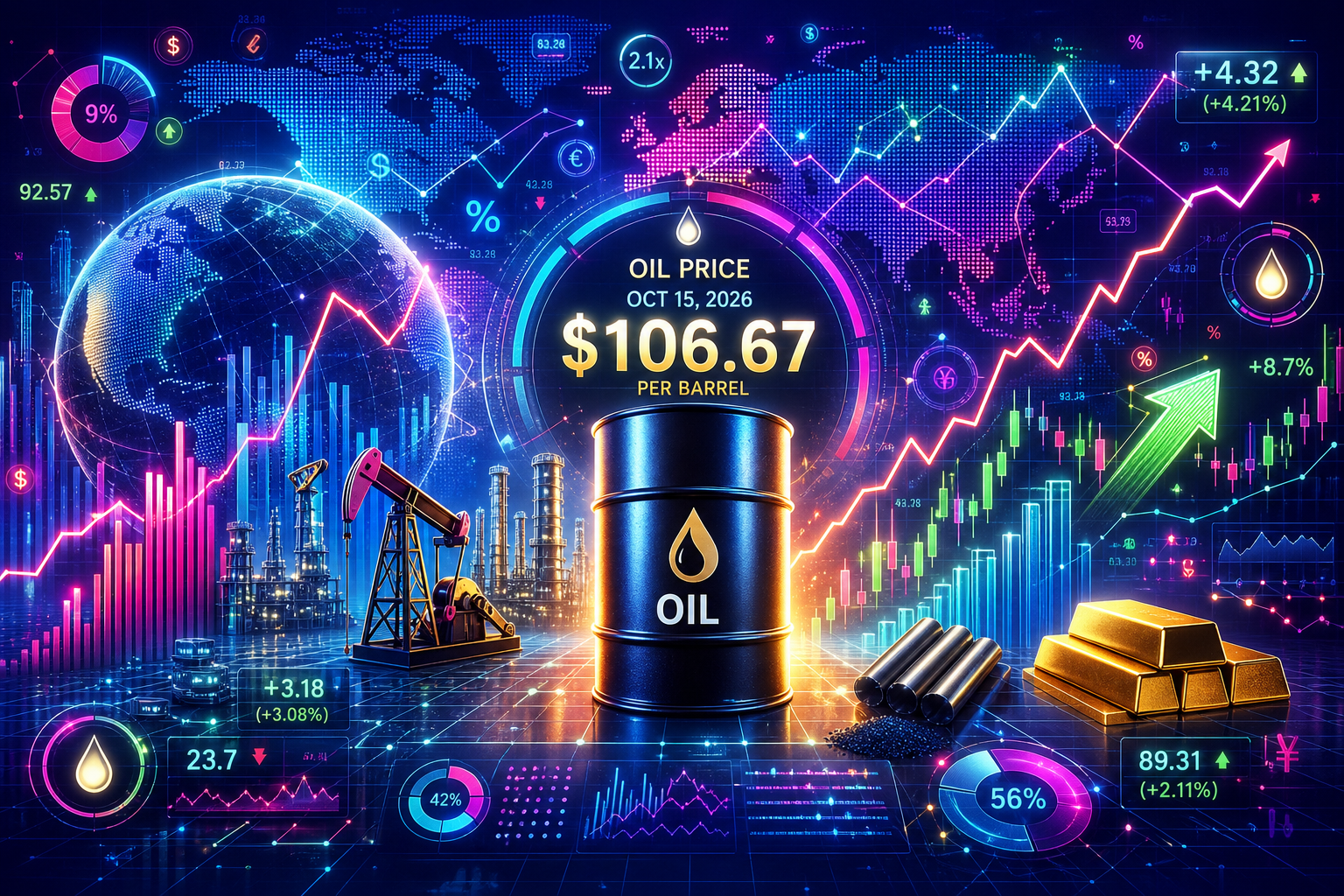
As of 7:15 a.m. Eastern Time today, oil prices have surged to $106.67 per barrel using the Brent benchmark. This figure represents a $2.03 decrease from the previous day, yet it’s a staggering $44 higher than this time last year. A variety of factors contribute to these volatile movements, most notably the intricate balance of supply and demand, as well as external geopolitical influences.
The oil market's unpredictability is a hallmark of its nature. As global economies grapple with uncertainty—be it through recession fears, ongoing conflicts, or natural disasters—oil prices often react sharply. But what does this mean for consumers and industries that rely heavily on oil?
The Ripple Effect of Oil Prices on Gasoline Costs
Understanding how oil prices translate to gas pump prices is essential for consumers. The cost of gasoline is not solely determined by crude oil prices; it encompasses various factors, including:
- Refining costs
- Wholesaler markups
- Government taxes
- Gas station pricing strategies
Typically, crude oil accounts for more than half of the total price per gallon, making it the most significant factor influencing gas prices. When oil prices rise sharply, consumers often see immediate increases at the pump. However, when oil prices decline, the decreases in gas prices are often more gradual—a phenomenon popularly referred to as the “rockets and feathers” effect.
The Strategic Petroleum Reserve: A Safety Net
In times of crisis, the U.S. government can tap into the Strategic Petroleum Reserve (SPR), an emergency stockpile of crude oil designed to stabilize markets during disruptions. The SPR serves multiple purposes:
- Mitigating price spikes during international crises
- Ensuring energy security during natural disasters or wars
- Supporting essential services such as public transportation and emergency responders
While the SPR provides a crucial buffer, it is not a long-term solution for energy sustainability; instead, it is an immediate safety net designed to alleviate temporary supply shocks.
Interconnectedness of Oil and Natural Gas Prices
Oil and natural gas are two of the world’s main energy sources, and fluctuations in oil prices can significantly impact natural gas prices. For instance, if oil prices rise, industries may substitute natural gas for oil in certain applications, leading to increased demand for natural gas. This interrelationship highlights the complexities of the energy market and how various commodities are linked.
Historical Context: Navigating the Oil Price Rollercoaster
To appreciate the current oil prices, one must consider the historical context. The oil market has experienced extreme fluctuations over the decades, typically tracked using two primary benchmarks:
- Brent Crude Oil: The main global benchmark, offering insights into worldwide oil performance.
- West Texas Intermediate (WTI): Primarily a North American benchmark.
Brent prices are often favored for analyzing global trends due to their broader applicability. Historically, oil prices have been influenced by a myriad of factors, including geopolitical turmoil, economic recessions, and OPEC's production decisions.
For example:
- 1973 Oil Crisis: The Yom Kippur War led to an OPEC embargo, drastically increasing oil prices.
- 1980s Price Collapse: Oversupply and reduced demand resulted in significant price drops.
- 2008 Financial Crisis: With skyrocketing demand followed by a swift fall, oil prices were highly erratic.
- COVID-19 Pandemic: In 2020, oil demand plummeted, causing prices to briefly fall below $20 per barrel.
These examples illustrate that oil prices are influenced not just by current market conditions but also by historical events that shape investor sentiment and market expectations.
The Role of Speculation and Futures Markets
The current price of oil is determined in large part by speculation and trading on futures markets. A futures market operates as an auction, where participants agree to buy or sell oil at a predetermined price on a future date. This environment creates frequent fluctuations in oil prices as traders respond to news, economic indicators, and geopolitical events.
In the U.S., policy changes can also sway oil prices. For instance, the administration's stance on drilling can impact future supply prospects. A notable example occurred in 2025 when the Trump administration sought to reopen over 1.5 million acres in the Arctic National Wildlife Refuge for oil and gas leasing, reversing previous restrictions and potentially increasing domestic supply.
The Impact of U.S. Shale Oil Production
U.S. shale oil production has revolutionized the landscape of the oil market. Shale is rock that contains pockets of oil and natural gas, and its extraction has become increasingly viable thanks to technological advancements in hydraulic fracturing and horizontal drilling.
The more shale oil the U.S. can access, the more influence the nation has on global oil supply dynamics. Increased shale production can help prevent sharp spikes in oil prices by providing a buffer of supply in times of geopolitical tension or production cuts from OPEC countries.
Economic Implications of Oil Prices
It’s crucial to understand how oil prices affect inflation and the broader economy. When oil prices rise, the cost of living tends to increase as well:
- Transportation Costs: Higher fuel prices lead to increased shipping and logistics costs, which can cascade throughout the supply chain.
- Consumer Goods: Everyday items can become more expensive, from groceries to household products, as companies pass on rising costs to consumers.
- Energy Bills: Increased oil prices can directly impact heating and electricity costs, further straining household budgets.
Future Outlook: What Lies Ahead?
As we look ahead, several factors could influence the trajectory of oil prices:
- Geopolitical Landscape: Ongoing conflicts or diplomatic tensions can lead to supply disruptions, driving prices higher.
- Global Economic Recovery: As economies rebound from the COVID-19 pandemic, demand for oil could surge, pushing prices upwards.
- Climate Initiatives: Increasing investments in renewable energy and shifts toward sustainable energy sources may affect long-term oil demand.
Conclusion: Staying Informed in a Volatile Market
The oil market remains a critical component of the global economy, with prices influenced by a complex interplay of factors. As consumers, understanding these dynamics can help us make informed decisions about our energy consumption and financial planning.
By keeping abreast of geopolitical events, market trends, and policy changes, individuals and businesses can better navigate the ever-changing landscape of oil prices. As history shows, the oil market's unpredictability requires vigilance and adaptability in both personal and business financial strategies.
For ongoing coverage of energy developments and expert analysis, stay tuned to trusted financial news sources and market reports. Understanding the implications of fluctuating oil prices will empower you to make informed decisions in an increasingly interconnected world.








No comments yet. Be the first to share your thoughts!