The World's Assets, Ranked by Market Cap
Welcome to AssetMarketCap — the global leaderboard of wealth. We bring every major
asset class together in one place and rank them by a single, comparable
metric: market capitalisation. From the largest companies and the most
valuable cryptocurrencies to gold, oil, national currencies and the world's
real estate, we make it easy to see how the world's assets stack up against
one another in real time. We take our data seriously and present it
accurately, neutrally and without trying to fit any narrative.
All Your Market Data in One Place
Most data sites focus on a single market — one for stocks, another for crypto,
another for commodities. We built AssetMarketCap so you don't have to browse a
dozen tabs to compare them. Whether you want to know if Apple is worth more
than all of the silver ever mined, how Bitcoin compares to the world's reserve
currencies, or where a small-cap stock sits against a mid-cap token, the answer
lives on one screen. Our goal is to democratise access to market data and give
you the context to make informed decisions.
Live & Historical Prices and Charts
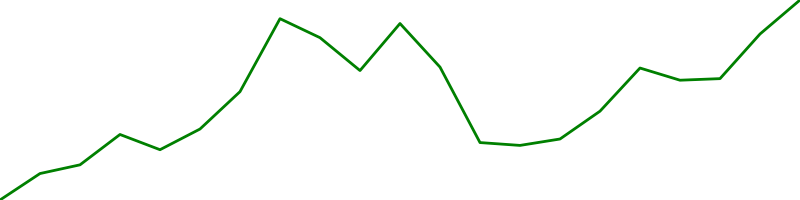
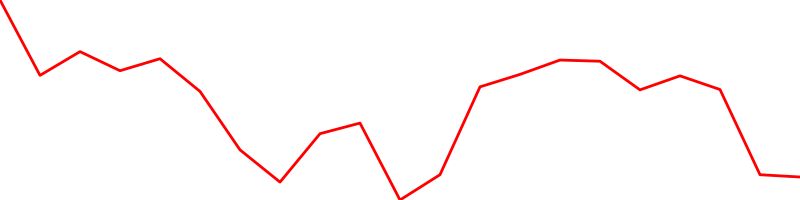
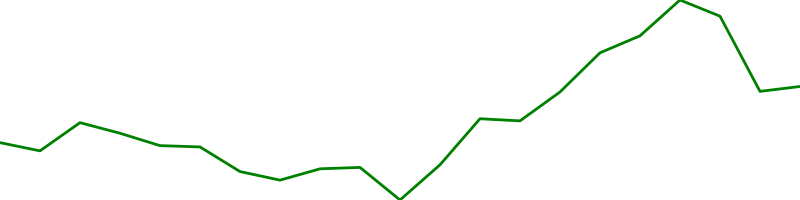
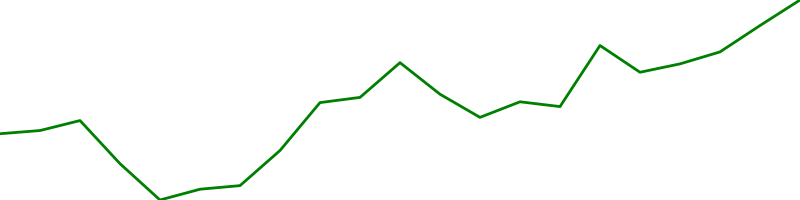
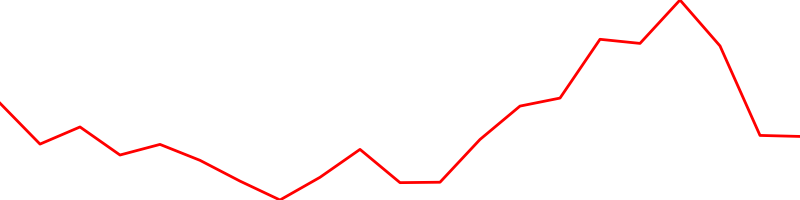
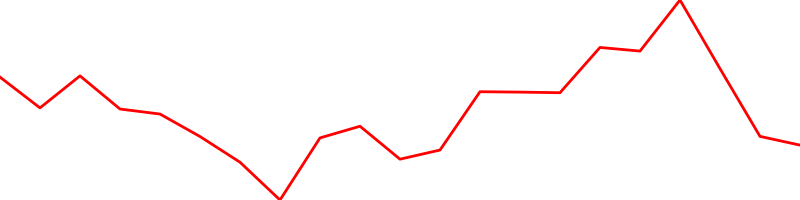
Prices and market caps update throughout the day, and most assets include a
seven-day price sparkline so you can read recent momentum at a glance. Pro
members can also travel back in time: pick any historical date and the entire
leaderboard re-ranks to show how the world looked on that day. It's a powerful
way to study how dominance has shifted between asset classes over the years.
How Do We Calculate Market Cap?
Market capitalisation is the total market value of an asset. The exact formula
depends on the asset class, but the idea is always the same — price multiplied
by the quantity in circulation:
- Companies (stocks): share price × shares outstanding.
- Cryptocurrencies: coin price × circulating supply.
- Commodities & precious metals: spot price × estimated
above-ground or available supply.
- Currencies: the value of the money supply in circulation.
- Real estate: the estimated aggregate value of the
underlying property market.
How Are Asset Prices Determined?
We aggregate prices from many reputable exchanges, market data providers and
public sources, then convert everything into your selected display currency so
that every asset is directly comparable. Where multiple venues quote a price,
we use representative pricing and filter out anomalous outliers so the figures
you see are as fair and timely as possible.
What Is Market Capitalisation?
Market cap tells you how the market values an asset as a whole, rather than the
price of a single unit — a $5 stock can easily be a bigger company than a $500
stock. It's a standardised yardstick investors rely on to gauge scale and to
compare an asset against its peers. As a rough guide, assets are often grouped
into tiers:
- Mega- & large-cap — the established giants, typically
valued in the hundreds of billions or trillions. Higher liquidity, lower
relative risk.
- Mid-cap — roughly $1bn–$10bn. More room to grow than the
giants, but with greater volatility.
- Small-cap — under $1bn. Often newer projects or companies
with the highest growth potential and the highest risk.
Which tier suits you depends on your appetite for risk. Market cap is an
important lens, but it's only one of many factors worth considering.
How Are Assets Ranked and Listed?
The leaderboard above is ordered by market cap — an accurate, real-time measure
of each asset's overall valuation. Because we aggregate across markets rather
than mirroring a single exchange, the rankings reflect the broad market rather
than one venue's view. You can filter by asset class, sector, country and value
range, search for any asset, and customise which columns you see using the
Columns control.
How Big Is the Global Asset Market?
Taken together, the world's investable assets are worth well over a quadrillion
US dollars. Real estate and equities make up the lion's share, with commodities,
currencies and the fast-growing cryptocurrency market rounding out the picture.
AssetMarketCap tracks tens of thousands of individual assets across these
classes so you can always see the full landscape.
Asset Classes We Track
- Real estate — the single largest store of global wealth.
- Companies (stocks) — publicly listed equities from markets
around the world.
- Commodities & precious metals — gold, silver, oil and
more.
- Currencies (forex) — the major national and reserve
currencies.
- Cryptocurrencies — Bitcoin, Ethereum and thousands of
digital assets.
- Government bonds — sovereign debt markets, shown per
country and as a single aggregate "Government Bonds" total.
A Note on ETFs
We also track exchange-traded funds (ETFs) so you can find and compare them,
but ETFs are deliberately excluded from the total market cap
calculation. An ETF mostly holds the very stocks, bonds and
commodities we already count, so adding ETFs into the global total would
double-count those underlying assets. They are hidden from the default view
and can be shown with the "Include ETFs" toggle.