





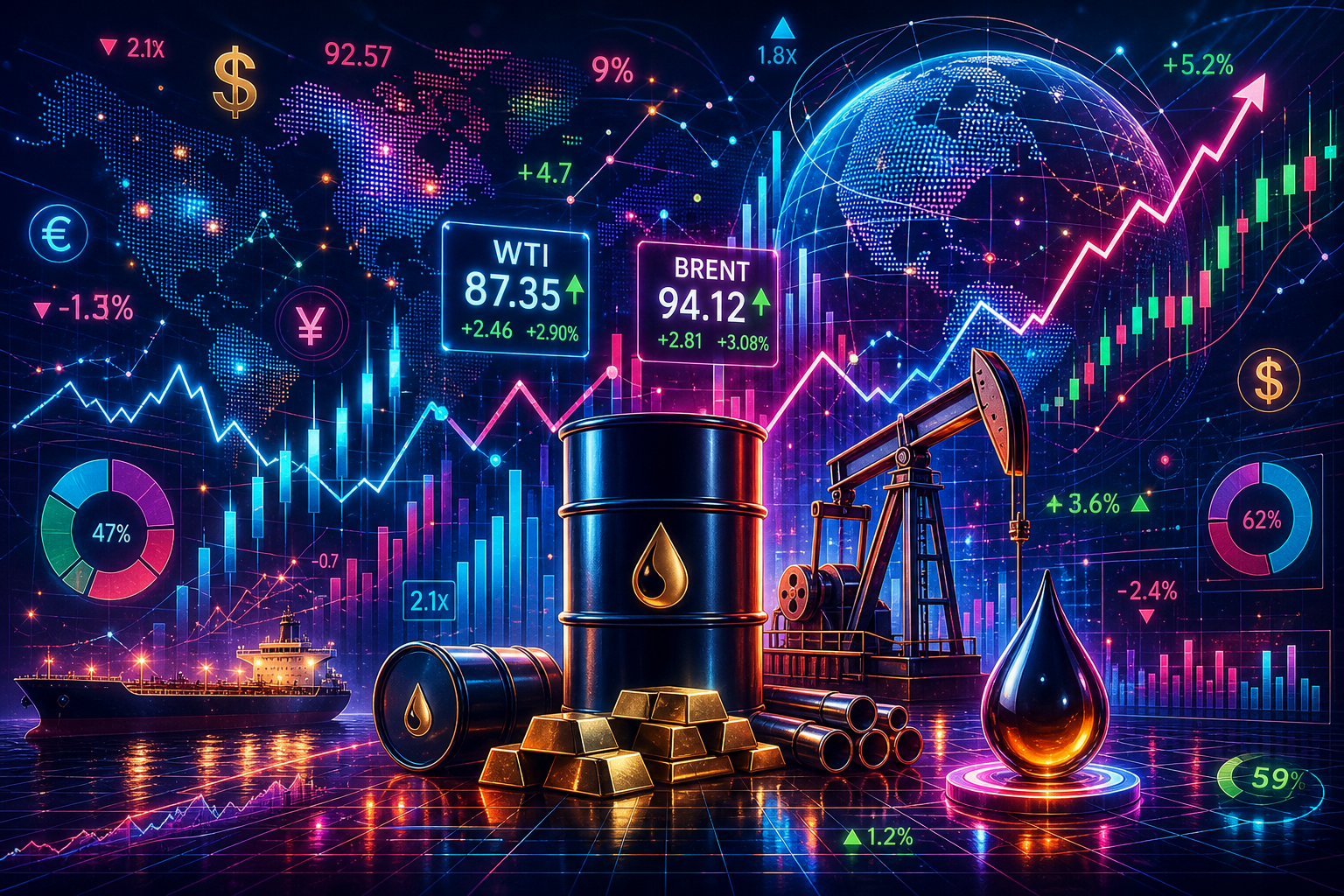
A Snapshot of Current Oil Prices
Oil prices have been on a notable upswing recently, with West Texas Intermediate (WTI) crude futures rising by approximately 3% to surpass $87 a barrel. Simultaneously, the international benchmark, Brent crude, has also crossed the $94 threshold. These price increases, although somewhat tempered by factors from major economies like China and the United States, highlight an ongoing transformation in the oil market, particularly in the crucial Strait of Hormuz.
The Strait of Hormuz: A Vital Artery
The Strait of Hormuz is more than just a narrow passageway; it is a pivotal choke point through which about 20% of the world’s oil supply is transported. The strategic importance of this waterway cannot be overstated, as any major disruption can have cascading effects on global oil prices and supply chains.
Why the Congestion?
Recently, the Strait has been experiencing unprecedented congestion, which can be attributed to several factors:
- Geopolitical Tensions: Increased military activity and tensions in the region have led to heightened security measures and slower transit times.
- Demand Fluctuations: A surge in oil demand, particularly from China, has exacerbated the bottleneck as tankers line up to secure their cargo.
- Port Delays: Operational inefficiencies and port congestion are compounding the delays, leading to longer wait times for vessels.
Who Are the Winners?
In the volatile world of oil, not all players are negatively impacted by rising prices. Some sectors and companies stand to benefit significantly from the current situation.
1. Oil Producers
Major Players
Countries like Saudi Arabia, Russia, and the United States are among the primary beneficiaries of rising oil prices. With their production levels and the ability to influence market dynamics, these nations enjoy increased revenues during price surges.
- Saudi Arabia: The Kingdom’s fiscal health is closely tied to oil prices, and higher prices mean greater budget surpluses.
- Russia: Despite sanctions, Russia continues to profit from elevated oil prices, which help sustain its economy amidst ongoing geopolitical tensions.
2. Energy Stocks
Investors in energy stocks have seen substantial gains as companies adjust to higher prices. Major oil corporations like ExxonMobil and Chevron have reported significant profit increases, leading to stock surges that attract investors looking to capitalize on the energy sector's resilience.
3. Alternative Energy Investments
Interestingly, the rise in oil prices also fuels interest in alternative energy sources. As traditional fossil fuels become more expensive, the push for renewable energy technologies gains momentum. Companies in solar and wind energy are poised for growth as consumers and governments seek to diversify away from oil dependency.
Who Are the Losers?
While some players benefit, others are feeling the strain of rising oil prices.
1. Consumers
The average consumer is often the first casualty of rising oil prices. Increased fuel costs translate to higher prices at the pump, which can strain household budgets. Additionally, the ripple effects of elevated oil prices can lead to increased costs for goods and services, as transportation expenses rise.
2. Airlines and Transportation Companies
Airlines are particularly vulnerable to rising oil prices, which significantly impact their operational costs. Higher fuel prices can lead to increased ticket prices, reduced profitability, and in some cases, flight cancellations.
- Example: Major airlines reported losses in the past due to skyrocketing fuel costs, forcing them to rethink their pricing strategies and operational efficiencies.
3. Economic Growth
Prolonged high oil prices can hinder economic growth, particularly in emerging markets that are heavily reliant on oil imports. As energy costs escalate, these economies may face inflationary pressures that stifle consumer spending and overall economic activity.
The Role of China and the U.S.
China and the U.S. play pivotal roles in the global oil market, and their economic policies and consumption patterns can significantly influence oil prices.
China: The Giant Consumer
China's demand for oil has been a driving force behind rising prices. As the world’s largest importer of crude oil, any changes in Chinese consumption patterns can send ripples through the entire market.
- Recent Trends: China has reportedly reduced its oil imports in response to economic slowdowns and stricter emissions regulations, creating a complex interplay between demand and price.
The U.S.: A Double-Edged Sword
The United States, as both a producer and consumer of oil, presents a unique case. While rising prices benefit American oil producers, they also pose challenges for consumers and businesses within the country.
- Domestic Production: The U.S. has been ramping up its shale oil production, which provides a buffer against price fluctuations. However, domestic producers must balance production levels with the global demand and pricing pressures.
Broader Implications for Global Economy
The current state of the oil market has broader implications beyond just the energy sector.
Inflationary Pressures
High oil prices contribute to inflation, affecting every economic sector. As operational costs rise, businesses may pass on these increases to consumers, leading to a broader rise in the Consumer Price Index (CPI).
Geopolitical Stability
The interplay between oil prices and geopolitical stability cannot be overlooked. Countries that are heavily reliant on oil exports may face internal strife if revenues fluctuate or if they experience sanctions. Conversely, nations that are major importers may seek alternative energy sources to mitigate the impact of unstable oil prices.
Environmental Considerations
As the world grapples with the dual challenges of energy security and climate change, the current dynamics of the oil market may accelerate the transition to greener energy sources. Governments and companies are increasingly recognizing the importance of diversifying energy portfolios to ensure long-term sustainability.
Conclusion: The Road Ahead
The oil market is navigating a period of significant volatility, with rising prices and congestion in critical shipping lanes like the Strait of Hormuz. While some players benefit from these changes, others are experiencing hardship. As global dynamics evolve, the interplay between consumers, producers, and geopolitical factors will continue to shape the future of the oil market.
Investors and industry stakeholders must remain vigilant, adapting strategies to navigate this complex landscape. The path forward may be uncertain, but understanding the fundamental shifts in the oil market will be essential for anyone looking to make informed financial decisions in the coming years.








No comments yet. Be the first to share your thoughts!