




Introduction: The Rollercoaster Ride of Precious Metals
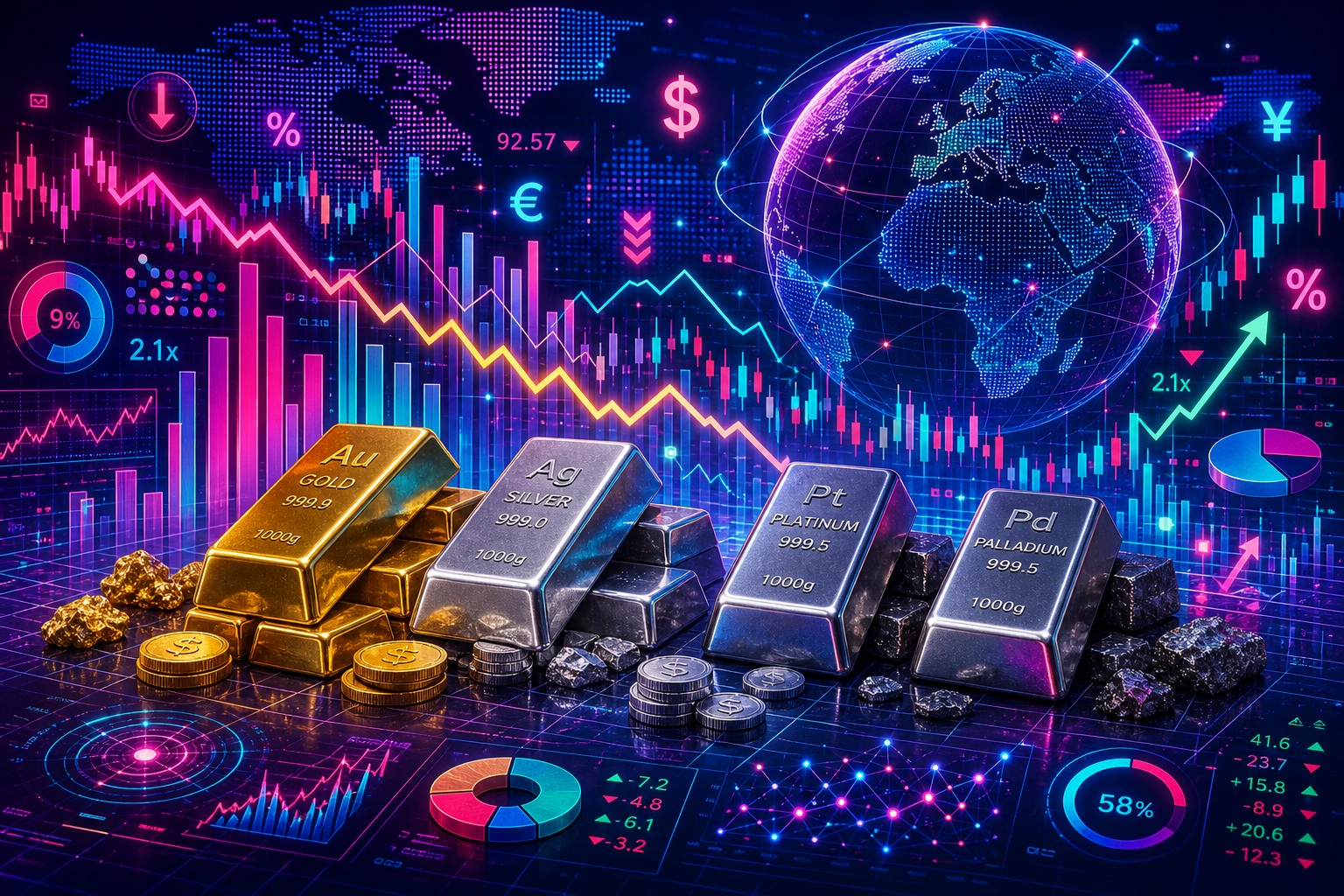
The world of precious metals is often viewed as a safe haven for investors, especially during times of economic uncertainty. However, the reality is that these markets can be just as volatile as stocks or cryptocurrencies. Since peaking in late January, prices for gold, silver, platinum, and palladium have experienced significant fluctuations. Understanding the factors behind these movements is crucial for investors looking to navigate the complexities of the commodities market.
The January Peak: A Moment of Optimism
In late January 2023, precious metals reached a high point, driven by a combination of factors that created a favorable environment for these assets. Investors were optimistic about a potential shift in U.S. monetary policy, which typically leads to an increase in precious metal prices. However, the landscape soon began to change dramatically.
The Kevin Warsh Factor
One of the key turning points came with the unexpected nomination of Kevin Warsh to a prominent position in the Federal Reserve. Warsh's candidacy signaled a potential shift away from the dovish policies that had characterized the Fed in recent years. The market had been anticipating a continuation of accommodative monetary policies, which generally support precious metals by lowering interest rates and increasing inflation expectations.
When news of Warsh's nomination leaked on January 29, it dashed those hopes. Investors quickly reassessed their positions, leading to a significant sell-off in precious metals. The fear was that a more hawkish approach from the Fed would lead to higher interest rates, diminishing the appeal of non-yielding assets like gold and silver.
Geopolitical Tensions and Inflation
Another critical factor influencing precious metal prices has been the ongoing geopolitical tensions, particularly related to global conflicts that have exacerbated inflationary pressures. While one might expect that increased geopolitical instability would drive investors toward the safety of precious metals, the reality has been more complicated.
The war-related surge in inflation, particularly in energy and food prices, shifted interest rate expectations in the direction of potential hikes. Investors began to view the U.S. dollar as a more attractive alternative, further reducing demand for precious metals. In essence, the very factors that normally bolster gold and silver prices were, in this case, contributing to their decline.
The Fed's Shift in Guidance
The final blow to the precious metals market came during the Federal Reserve's June FOMC meeting. In a significant policy shift, the Fed announced that it was no longer leaning towards cutting interest rates. This decision reinforced the perception that Warsh represents a more hawkish monetary policy, which further spooked precious metal investors. As a result, prices began to tumble, leaving many to wonder if they had hit rock bottom.
The Current Landscape: Stability or a Temporary Lull?
Since late June, precious metals have shown signs of stabilization, even recovering slightly from their earlier declines. However, the question remains: have they truly hit bottom?
Monitoring Key Indicators
To answer this question, investors should closely monitor two critical indicators: interest rate expectations and the Bloomberg U.S. Dollar Index.
Interest Rate Expectations
The relationship between interest rates and precious metal prices is well-established. As interest rates rise, the opportunity cost of holding non-yielding assets like gold increases, leading to potential declines in prices. Conversely, if the Fed signals a pause or reversal in its hawkish stance, it could reignite interest in precious metals as a hedge against inflation.
Currently, market analysts are divided. Some predict that economic conditions may force the Fed to reconsider its approach, especially if inflation persists. Others believe that the Fed will remain committed to its hawkish policies, pushing precious metal prices lower.
The U.S. Dollar Index
The strength of the U.S. dollar also plays a pivotal role in determining precious metal prices. A stronger dollar makes gold and silver more expensive for foreign investors, typically leading to a decrease in demand. Conversely, a weaker dollar can enhance the attractiveness of precious metals as an alternative investment.
As of now, the Bloomberg U.S. Dollar Index remains a critical gauge. If the dollar continues to strengthen—potentially driven by rising interest rates or a robust U.S. economy—it could further pressure precious metals. However, any signs of dollar weakness may provide the necessary fuel for a resurgence in metal prices.
Real-World Implications: What This Means for Investors
The recent fluctuations in precious metal prices have several implications for investors. Understanding market dynamics and being aware of potential risks can help individuals make informed decisions in this turbulent landscape.
Diversification and Risk Management
For many investors, precious metals serve as a critical component of a diversified portfolio. They act as a hedge against inflation and currency fluctuations. However, with the current volatility, it's essential to evaluate how much exposure one has to these assets and consider rebalancing if necessary.
Here are some strategies to consider:
- Diversify Across Assets: Incorporating a mix of precious metals along with equities and bonds can help buffer against volatility.
- Stay Informed on Monetary Policy: Keeping a close eye on Fed announcements and economic indicators can provide valuable insights into potential price movements.
- Consider Dollar-Cost Averaging: For long-term investors, gradually investing in precious metals over time can help mitigate the impact of short-term price fluctuations.
The Long-Term Outlook
While the short-term outlook for precious metals remains uncertain, many analysts believe that their fundamental value as a safe-haven asset will resurface in the long run. Factors such as persistent inflation, ongoing geopolitical tensions, and potential economic downturns may eventually drive investors back to these traditional stores of value.
Investors should also consider the impact of technological advancements in the mining and production of precious metals. Innovations that reduce costs or improve extraction methods could lead to increased supply, potentially influencing prices in unexpected ways.
Conclusion: A Complex Landscape Ahead
The recent sell-off in precious metals has raised critical questions about their future trajectory. While prices have stabilized since late June, the interplay between interest rate expectations, the strength of the U.S. dollar, and broader economic conditions remains pivotal.
For investors in precious metals, the current landscape offers both challenges and opportunities. By staying informed and adaptable, they can navigate the complexities of this market and position themselves for potential gains in the months and years to come. As the economic environment continues to evolve, only time will tell if precious metals have truly hit bottom or if further declines await on the horizon.








No comments yet. Be the first to share your thoughts!