



The Energy Landscape: A Troubling Reality
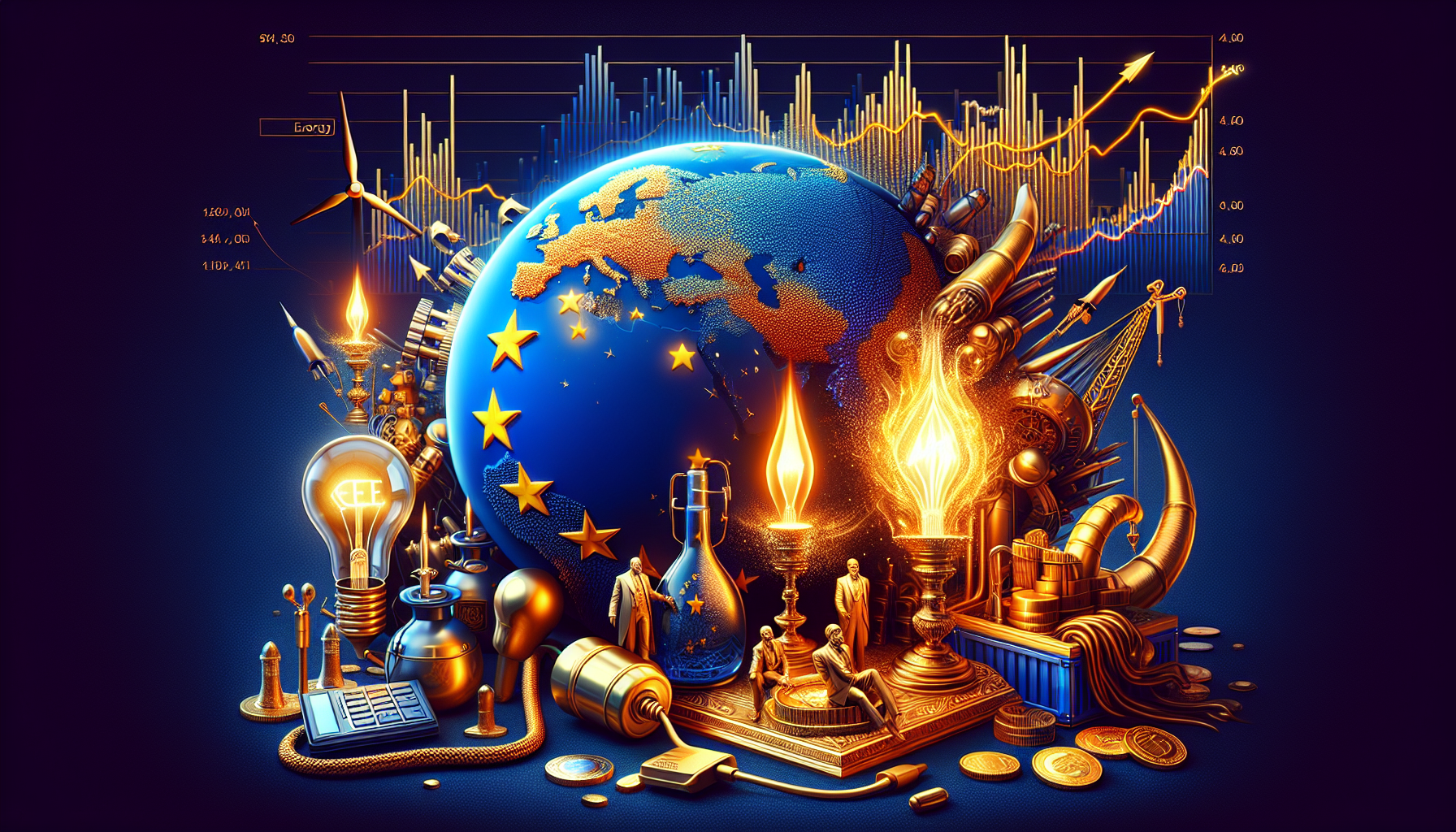
Europe's energy security has always been a delicate balance, but recent geopolitical events have laid bare its vulnerabilities. The ongoing war in the Middle East, particularly the tension surrounding the Strait of Hormuz, has had a profound impact on energy supplies. This narrow waterway is critical for transporting approximately one-fifth of the world's oil and natural gas. With the strait effectively closed to most traffic, rising energy prices have put immense pressure on the continent's economy.
In the first 52 days since the outbreak of the conflict, the EU's energy bill surged by an astonishing €24 billion (around $28 billion) compared to pre-war levels, according to the European Commission. This situation has prompted urgent discussions among EU leaders about the future of the bloc's energy strategy and its heavy reliance on fossil fuel imports.
Lessons from the Past: The 2022 Energy Crisis
The current crisis echoes the lessons learned during the energy turmoil of 2022, when Russia significantly reduced its gas supplies to Europe. In response, the EU implemented a comprehensive policy package aimed at reducing its dependence on Russian energy. This effort was partly successful, with the bloc managing to decrease the share of Russian energy products in its energy mix. However, the current geopolitical climate has once again exposed the risks associated with heavy reliance on foreign energy sources.
Ursula von der Leyen, the President of the European Commission, emphasized the critical nature of the choices made today in shaping Europe's energy future: “The choices we make today will shape our ability to face the challenges of today and the crises of tomorrow.” The stakes are high, and the EU is now grappling with the reality of needing to rethink its energy policy completely.
Strategies for Demand Management: A Familiar Approach
The EU's current plan to navigate this energy crisis incorporates familiar strategies that were employed during the 2022 crisis. One key approach is promoting energy savings across the bloc. This includes retrofitting existing structures for improved energy efficiency and providing financial incentives for residents to replace gas-powered boilers with electric alternatives.
While these measures fall short of the drastic energy rationing seen in the early days of the Ukraine invasion, discussions among European leaders indicate a willingness to consider more severe contingency plans. Dan Jørgensen, the EU's energy chief, recently suggested that member states implement “voluntary demand-saving measures” to curtail oil and gas use, particularly in the transportation sector.
The Threat of Demand Destruction
Concerns about demand destruction—a situation in which high energy prices lead to long-term reductions in consumption—have surfaced in closed-door meetings among EU ambassadors. If the energy crisis continues, there is a risk that member states may have to enforce even stricter fuel usage reductions as they prepare for the winter months.
Tax Reforms to Incentivize Electrification
In the immediate term, the European Commission's energy plan proposes reshaping the energy tax system to encourage electrification over fossil fuels. Suggested changes include tax incentives for electric vehicle purchases, reductions in home electricity taxes, and support for installing heat pumps, solar panels, and battery storage in both residential and industrial settings.
Aiming for Self-Sufficiency: The Path to Renewable Energy
The long-term goal of the EU's strategy is to accelerate the shift towards renewable energy and ultimately achieve energy independence. “We must accelerate the shift to homegrown, clean energies,” von der Leyen stated. “This will give us energy independence and security and mean we are better able to weather geopolitical storms.”
Historically, Europe has been a minor producer of fossil fuels, relying heavily on imports to meet its energy demands. The ongoing conflict has underscored the importance of transitioning to domestic energy sources. Since the onset of the Ukraine war, the EU has made significant strides in scaling its solar and wind power sectors, producing more electricity from renewables than from fossil fuels for the first time last year.
The Challenges Ahead: Electrification and Heavy Industry
Despite the progress in renewable energy generation, several sectors remain difficult to electrify completely. Transportation, heating, and heavy industry continue to rely on gas and oil, complicating the EU's goal of achieving energy self-sufficiency. As of 2022, the EU imported a staggering 62.5% of its energy needs, a figure that only slightly decreased to 57% when the Middle East conflict began.
To address these challenges, the latest EU strategy outlines measures aimed at accelerating the shift toward clean energy. These include increased funding to upgrade the bloc's grid network and transmission lines, incentives for the production and use of biofuels and sustainable aviation fuel, and expanding the role of non-fossil fuel energy sources such as nuclear power.
The Broader Implications: A Shift in Geopolitical Alliances
The EU's pivot away from Russian energy has compelled the bloc to seek alternative partnerships, particularly with the United States and Middle Eastern nations. However, this shift has not been without its own set of challenges. The EU's dependence on energy imports has exposed it to fluctuations in global energy prices and political instability in supplier countries.
As Europe navigates these complexities, the implications extend beyond just energy security. The EU's response to the current crisis will shape its economic landscape and influence its geopolitical relationships for years to come. The need for a rapid transition to renewable energy sources is not merely a matter of environmental responsibility; it is increasingly viewed as a strategic imperative.
Conclusion: A Critical Juncture for Europe
Four years after its first major energy crisis, Europe finds itself at another critical juncture. The lessons learned from past experiences are now being tested against the backdrop of an ever-evolving geopolitical landscape. While the EU's renewed commitment to energy independence and clean energy is commendable, the path forward is fraught with challenges.
As the bloc grapples with the immediate economic pressures of soaring energy costs, it must also remain vigilant in its long-term strategy to build a resilient and self-sufficient energy system. The choices made today will not only determine Europe's energy future but will also influence its ability to respond to the crises of tomorrow. The urgency for transformation has never been greater, and the world will be watching closely as Europe navigates this turbulent period.








No comments yet. Be the first to share your thoughts!