




Understanding the Current Landscape
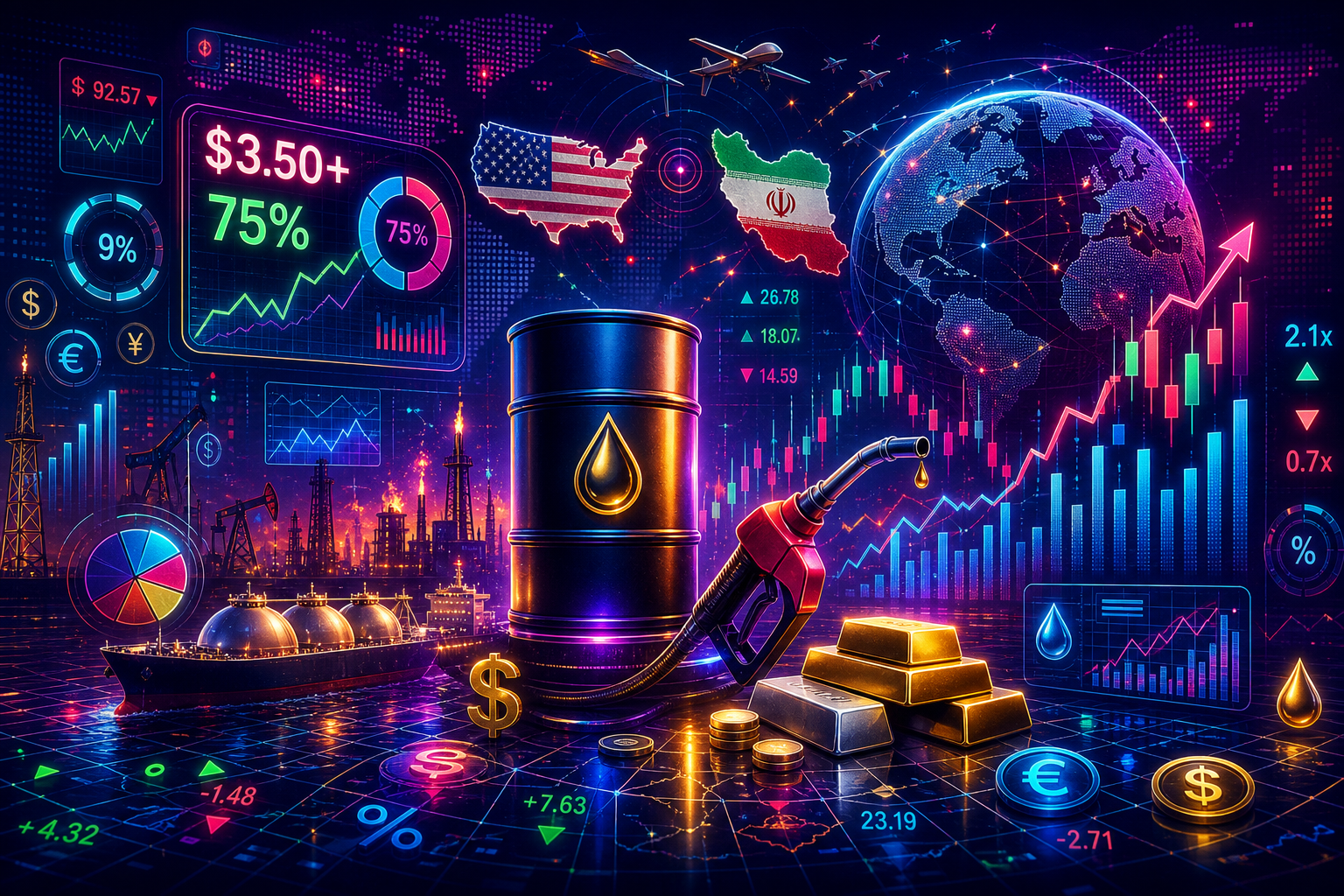
The geopolitical landscape has a profound impact on global commodities, and recent tensions between the United States and Iran are a prime example of this dynamic. As both nations exchange military strikes, traders are reacting to these developments with heightened concern about future gas prices. The prediction market platform Kalshi has registered a significant shift in trader sentiment, with a staggering 75% likelihood that gas prices will exceed $3.50 per gallon by November 3, 2023.
This is not just a statistical projection; it reflects the complex interplay between geopolitical events and market reactions. Understanding this relationship is crucial for investors, consumers, and policymakers alike.
Historical Context: The U.S.-Iran Relationship
The U.S.-Iran relationship has been fraught with tension for decades. It has evolved through various phases, marked by diplomatic negotiations, sanctions, and military engagements. The recent escalation can be traced back to multiple flashpoints, including Iran's nuclear program and its support for groups the U.S. designates as terrorist organizations.
The 1979 Iranian Revolution and the subsequent hostage crisis set the stage for a long-standing adversarial relationship. Over the years, U.S. sanctions aimed at curbing Iran's nuclear ambitions have led to economic hardship in the country, prompting retaliatory actions that have further strained relations.
Current Events: A New Surge in Hostilities
The recent uptick in violence, characterized by missile strikes and military confrontations, has sparked fears of a broader conflict. This escalation has resulted in uncertainty surrounding the Strait of Hormuz, a critical artery for global oil transport. Approximately 20% of the world's oil passes through this narrow passageway, making it a focal point in matters of energy security.
With the re-emergence of hostilities, traders are not only concerned about rising prices but also about the potential for supply disruptions. The market's response has been swift, reflected in the significant increase in gas prices, which have jumped from below $3 per gallon to an average of $3.84 as reported by AAA.
Market Sentiment: What Kalshi Traders Are Predicting
The prediction market on Kalshi indicates a growing belief among traders that elevated gas prices are here to stay. The probability of prices exceeding $3.50 has increased dramatically from earlier estimates of just 37%. Additionally, there is a 39% chance that prices will surpass $3.75 per gallon, a notable rise from 22% prior to the recent escalation.
Key Statistics:
- 75% chance gas prices will exceed $3.50 by November 3.
- 39% chance prices will exceed $3.75.
- National average gas price currently at $3.84.
- U.S. oil prices peaked at $75 per barrel recently.
The volatility in oil prices is also telling; crude oil futures have fluctuated significantly, with prices climbing from $68 to $75 per barrel earlier this week before easing to below $72. This type of volatility is indicative of a market reacting to geopolitical uncertainty.
Broader Implications for the Economy
The implications of rising gas prices extend beyond just the cost at the pump. Higher fuel costs can lead to increased prices for goods and services across the board, as transportation costs rise. Economists often warn that prolonged inflation in energy prices can lead to broader economic slowdowns, as consumers have less disposable income to spend on non-essential goods and services.
Moreover, the potential for rising gas prices can impact the upcoming U.S. elections. Higher fuel costs tend to create dissatisfaction among voters, which can influence electoral outcomes. As Election Day approaches, the economic landscape will play a significant role in shaping public sentiment.
Historical Price Fluctuations: Lessons from the Past
To better understand the current situation, it's instructive to consider historical gas price trends. For instance, the high point for gas prices in 2026 was recorded on May 21, when the national average hit $4.56. This peak is critical as it sets a benchmark for traders and consumers alike.
Historically, conflicts in the Middle East have shown a correlation with rising oil prices. The Gulf War in the early '90s and the Iraq War in the early 2000s both led to spikes in oil prices, emphasizing how geopolitical tensions can have immediate and lasting effects on energy markets.
The Role of Speculation in the Market
Speculators play a significant role in the commodities market, and their actions can create feedback loops that exacerbate price volatility. For example, as traders perceive increased risks associated with the U.S.-Iran conflict, their speculative actions can drive prices higher before actual supply disruptions occur.
The 43% chance that gas prices could exceed $4.60 this year, while still cautious, indicates a shift in market sentiment reflecting increased risk assessment by traders. This is an essential factor for investors to consider when navigating the commodities market.
A Balanced Perspective: Risks and Opportunities
While the current situation presents challenges, it also offers opportunities for stakeholders in the energy sector. For instance, energy companies may benefit from higher prices, leading to increased revenues. This could spur investment in new technologies and production capacities, potentially offsetting some of the adverse effects of price increases on consumers.
However, a balanced perspective is crucial. Rising energy prices can have a domino effect, impacting everything from consumer spending to inflation rates. Policymakers must tread carefully, weighing the benefits of supporting domestic energy production against the potential backlash from voters facing higher living costs.
Key Takeaways:
- Geopolitical tensions significantly impact gas prices.
- The prediction market indicates sustained high prices.
- Historical trends show a strong correlation between conflict and price spikes.
- Speculation can exacerbate volatility but also offers opportunities for investment.
Conclusion: Navigating Uncertainty Ahead
As tensions between the U.S. and Iran continue to evolve, the outlook for gas prices remains uncertain. Traders on Kalshi have already adjusted their expectations, reflecting a growing consensus that elevated prices are likely to persist.
For consumers, businesses, and policymakers, understanding these dynamics is essential for navigating the complexities of the current economic landscape. By staying informed and anticipating potential outcomes, stakeholders can better position themselves to weather the challenges ahead.
In closing, while the current situation is fraught with uncertainty, it also highlights the interconnected nature of global events and market reactions. Whether you are a consumer, trader, or policymaker, the implications of rising gas prices are far-reaching and warrant careful consideration.








No comments yet. Be the first to share your thoughts!