





Understanding Current Oil Prices
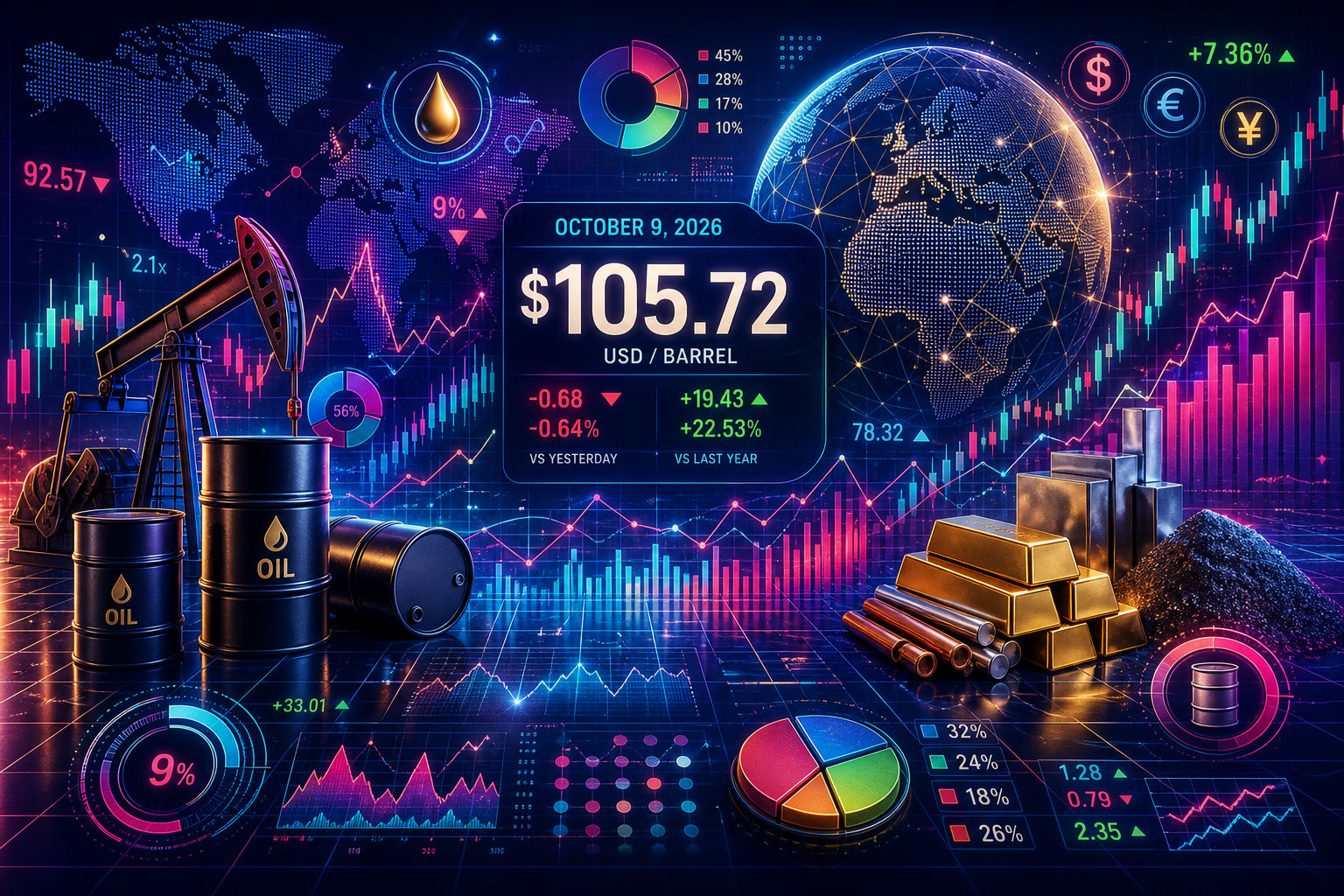
As of 6:45 a.m. Eastern Time on October 9, 2026, oil is trading at $105.72 per barrel. This marks a decrease of $2.61 from the previous day, yet it remains approximately $40 higher than prices one year ago. Such fluctuations in oil prices pique the interest of investors, consumers, and policymakers alike, raising critical questions about the future trajectory of these prices.
The Complexity of Oil Price Predictions
Forecasting oil prices is notoriously challenging. While supply and demand dynamics are critical to understanding price shifts, numerous external factors can alter these dynamics rapidly. Economic indicators, geopolitical tensions, natural disasters, and regulatory changes all influence oil markets. For instance, heightened fears of economic recession or escalating conflicts can create sudden changes in oil demand, prompting swift price adjustments.
How Oil Prices Affect Gasoline Costs
The relationship between crude oil prices and gasoline prices is a crucial aspect of the energy market. While crude oil constitutes a significant portion of gas prices, the final cost at the pump includes several additional factors:
- Refining Costs: The process of converting crude oil into gasoline incurs expenses.
- Transportation: Moving refined gasoline to distribution points adds to the cost.
- Taxes: Local, state, and federal taxes can significantly affect the final price.
- Retail Markup: Gas stations add a markup to cover their operational costs.
Typically, when oil prices surge, gas prices follow suit. Conversely, when oil prices decline, gas prices often lag in response—a phenomenon referred to as "rockets and feathers." This term encapsulates the notion that prices shoot up quickly (rockets) but decrease slowly (feathers) as market conditions change.
The Role of the U.S. Strategic Petroleum Reserve
The U.S. Strategic Petroleum Reserve (SPR) serves as a critical resource in times of emergency, designed to bolster national energy security. Established to mitigate the impact of supply disruptions caused by geopolitical crises, natural disasters, or other significant events, the SPR acts as a temporary relief valve.
Although it does not offer a permanent solution to high oil prices, the SPR can ease the burdens on consumers and essential industries during times of crisis. For example, during the 2020 COVID-19 pandemic, the Biden administration released oil from the reserve to stabilize prices amidst unprecedented demand collapse.
The Interconnectedness of Oil and Natural Gas Prices
Oil and natural gas are closely linked in the energy sector, serving as primary energy sources for various industries and households. A significant shift in oil prices can directly influence natural gas markets. For instance, if oil prices experience a significant increase, industries that rely on oil may pivot to natural gas alternatives, leading to increased demand for natural gas.
This nuanced relationship underscores the importance of monitoring both markets, as shifts in one can reverberate throughout the other, affecting prices, production, and investment decisions.
Historical Trends in Oil Pricing
To understand the current landscape, it is essential to look at historical oil pricing trends. The two primary benchmarks for oil pricing are:
- Brent Crude Oil: The leading global benchmark, reflecting the price of oil traded internationally.
- West Texas Intermediate (WTI): The main benchmark for North American oil.
Brent crude is often considered a more accurate representation of global oil prices due to its broader market reach. Notably, the U.S. Energy Information Administration (EIA) has adopted Brent as its primary reference in its Annual Energy Outlook.
Historically, oil prices have experienced significant volatility, driven by various factors:
- 1970s Oil Crisis: The Yom Kippur War led to an oil embargo, causing prices to skyrocket.
- 1980s Price Collapse: An influx of non-OPEC oil producers and declining demand caused prices to plummet.
- 2008 Financial Crisis: Rising global demand led to increased prices, which eventually crashed as the financial crisis unfolded.
- 2020 COVID-19 Pandemic: Oil demand collapsed, sending prices below $20 per barrel, a historical low.
These historical instances highlight the unpredictable nature of oil pricing, influenced by geopolitical events, economic cycles, and shifts in energy policies.
The Impact of Geopolitical Events on Oil Prices
Geopolitical events remain a significant driver of oil price fluctuations. Recent conflicts, trade disputes, and international sanctions can create supply chain disruptions affecting oil availability and pricing. For example, tensions in the Middle East, which has historically been a hotbed for oil production, can lead to increased uncertainty in oil markets, causing prices to soar.
Moreover, the role of cartels, particularly OPEC+, cannot be overlooked. Decisions made by OPEC+ regarding production quotas directly impact supply levels and, consequently, prices. Recently, OPEC+ has faced challenges in maintaining cohesion among its member states, leading to uncertainty about future production levels.
The Broader Economic Implications of Oil Prices
Changes in oil prices have far-reaching consequences for the global economy. Higher oil prices can lead to increased costs for consumers, resulting in inflationary pressures across various sectors. This can manifest in several ways:
- Transportation Costs: Increased fuel costs raise shipping expenses, which can lead to higher prices for goods at retail.
- Energy Bills: Higher oil prices can increase heating and electricity costs for consumers.
- Consumer Spending: As more disposable income is allocated to energy costs, spending in other sectors may decline.
Conversely, lower oil prices can stimulate economic growth by reducing costs for consumers and businesses alike. This dynamic highlights the delicate balance that policymakers must consider when addressing energy policies and market regulations.
The Influence of U.S. Shale Oil Production
The rise of U.S. shale oil production has significantly altered the landscape of the global oil market. Shale formations contain vast reserves of oil and natural gas, and advancements in extraction technology have made it economically viable for companies to tap into these resources. Increased shale production has led to greater energy independence for the U.S., allowing it to contribute to global supply and dampen price spikes.
As shale production continues to expand, it plays a critical role in stabilizing prices. When prices rise, U.S. shale producers can ramp up production to meet demand, preventing prices from soaring uncontrollably. This flexibility is a vital component of the modern oil market, helping to moderate the volatility that has historically plagued global oil prices.
Frequently Asked Questions About Oil Pricing
-
How is the current price of oil per barrel determined? The price of oil is influenced by supply and demand dynamics, geopolitical events, and economic indicators. In the U.S., political decisions regarding drilling and energy policy can also impact future supply levels.
-
How often does the price of oil change? Oil prices are constantly updated during trading hours in the futures markets, where contracts for future delivery are bought and sold.
-
What is the impact of U.S. shale oil production on oil prices? Increased shale oil production can help stabilize prices by expanding supply. This added capacity can prevent sudden spikes in prices due to supply shocks.
-
How do oil prices affect inflation and the economy? Higher oil prices can lead to increased costs for consumers and businesses, contributing to inflation. This can impact consumer spending and overall economic growth.
Conclusion: Navigating a Dynamic Oil Market
As we navigate through October 2026, the oil market remains a focal point of economic analysis and discussion. With prices currently at $105.72 per barrel, understanding the factors that influence oil pricing is crucial for consumers, investors, and policymakers alike.
In a world where geopolitical tensions, climate policies, and technological advancements continue to reshape the energy landscape, being informed about oil prices and their implications is more important than ever. Whether you are fueling your vehicle or making investment decisions, the oil market's complexities demand attention and understanding in our interconnected global economy.








No comments yet. Be the first to share your thoughts!