




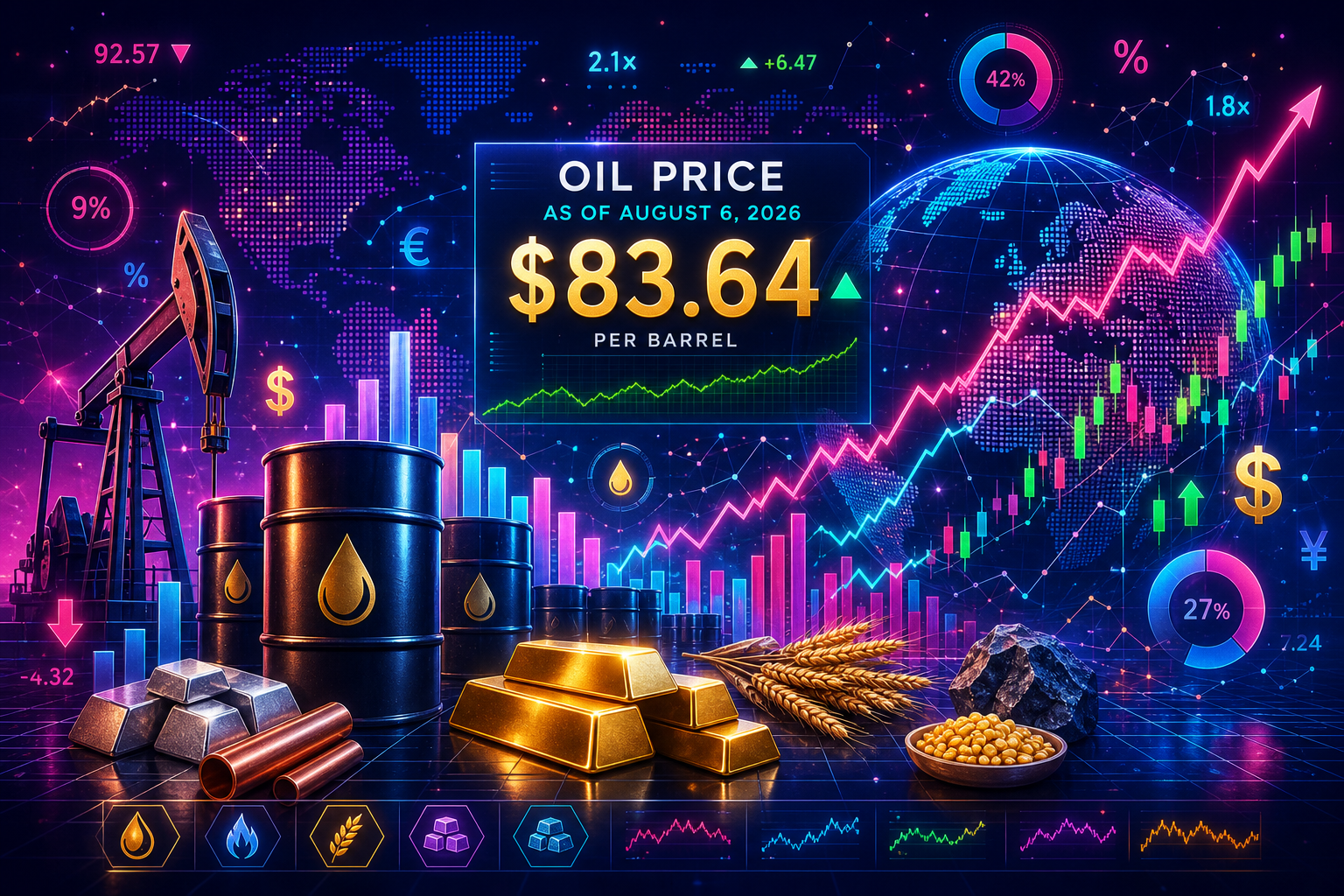
Oil prices can be a rollercoaster ride, experiencing both sharp rises and sudden drops based on various global factors. As of 7 a.m. Eastern Time on August 6, 2026, oil has reached $83.64 per barrel, measured against the Brent benchmark. This represents a slight decrease of 8 cents from the previous day but is notably $16.10 higher than this time last year. With prices on the rise, one question looms large: will oil continue to climb?
The Unpredictability of Oil Prices
Oil prices are notoriously volatile, influenced by a myriad of factors ranging from geopolitical tensions to economic indicators. At the heart of this volatility lies the age-old principle of supply and demand. When concerns arise about potential recessions, wars, or other major disruptions, oil prices can swing dramatically.
The Dynamics of Supply and Demand
The relationship between supply and demand is the primary driver of oil prices. When demand surges—like during a robust economic recovery—prices often increase as producers struggle to keep up. Conversely, a sudden drop in demand can lead to significant price declines.
For instance, during the COVID-19 pandemic, global oil demand plummeted to unprecedented lows. In April 2020, prices briefly dipped below $20 per barrel, a stark contrast to the $100 per barrel prices seen just a few years prior. The pandemic highlighted how sensitive oil prices are to economic shifts and global events.
How Oil Prices Translate to Gas Pump Prices
When consumers fill up their tanks, they may not realize that the price they pay per gallon is a composite of various costs. Crude oil is just one piece of the puzzle; the final price at the pump also includes:
- Refinery costs: The expenses incurred in turning crude oil into gasoline.
- Wholesaler markups: The prices added by wholesalers who distribute gasoline to retailers.
- Taxes: Local, state, and federal taxes that contribute significantly to fuel prices.
- Retail markups: The profit margin set by individual gas stations.
Typically, crude oil accounts for more than 50% of the cost of gasoline. Consequently, when oil prices soar, consumers will often see those increases reflected almost immediately at the pump. However, decreases in oil prices do not translate as swiftly into lower gas prices, leading to the phenomenon known as the “rockets and feathers” effect—prices shoot up like rockets when oil costs rise but fall slowly like feathers when costs decline.
The Role of the U.S. Strategic Petroleum Reserve
In times of crisis, the U.S. Strategic Petroleum Reserve (SPR) serves as a crucial safety net. Established in the 1970s after the oil embargo, the SPR is designed to provide a buffer during significant supply disruptions, such as geopolitical conflicts or natural disasters.
The SPR is not a long-term solution, however; it is primarily intended to stabilize the market during crises. For example, in 2021, the Biden administration authorized the release of oil from the SPR to help mitigate rising prices caused by recovering demand post-pandemic and ongoing supply chain disruptions.
Natural Gas: A Connected Market
Oil and natural gas are intricately linked commodities that power much of the global economy. A shift in oil prices can have cascading effects on natural gas markets. When oil prices rise, some industries may pivot to using natural gas as an alternative energy source, increasing its demand and subsequently its price.
For example, during the energy crisis of the 1970s, many industries began to substitute natural gas for oil, causing a surge in natural gas prices as a direct result of oil market fluctuations.
Historical Performance of Oil Prices
Understanding the current price of oil requires a look at its historical performance. The two primary benchmarks for oil pricing—Brent crude and West Texas Intermediate (WTI)—offer insights into global oil market dynamics.
- Brent Crude: Often viewed as the global benchmark, it reflects prices for oil traded internationally.
- West Texas Intermediate (WTI): A key benchmark for North American oil, primarily concerned with U.S. supply and demand.
Historically, the oil market has experienced significant volatility:
- 1970s Oil Crisis: The Yom Kippur War led to an embargo on oil exports from the Middle East, causing prices to soar.
- 1980s Price Collapse: An influx of non-OPEC oil producers, coupled with reduced demand, resulted in sharply declining prices.
- 2008 Financial Crisis: A surge in global demand was followed by a catastrophic drop in prices as the global economy faltered.
- 2020 COVID-19 Pandemic: An unprecedented collapse in demand saw prices plummet, highlighting the extreme sensitivity of oil markets to global events.
The Current Landscape: Factors at Play
As of now, several factors are influencing oil prices, including:
- Geopolitical Tensions: Conflicts in oil-producing regions can lead to supply disruptions. For example, tensions in the Middle East often create uncertainty, pushing prices higher.
- OPEC+ Decisions: The Organization of the Petroleum Exporting Countries (OPEC) and its allies (OPEC+) play a significant role in regulating oil supply. Their decisions to cut or increase production can drastically affect prices.
- U.S. Energy Policy: Domestic policies regarding oil drilling and production can impact supply. For instance, regulatory changes during different administrations can affect how much oil is extracted from U.S. reserves.
- Global Economic Conditions: Economic recovery or downturn can drive demand for oil. A booming economy typically means higher demand, while recessions lead to decreased consumption.
The Broader Economic Impact
The price of oil doesn't just affect consumers filling their tanks; it has far-reaching implications for the entire economy. High oil prices can contribute to inflation, increasing costs across various sectors:
- Increased Transportation Costs: Higher fuel prices lead to increased shipping costs, which can affect the prices of consumer goods, from groceries to electronics.
- Production Costs: Industries reliant on oil—such as manufacturing and food production—may face rising costs, which can be passed on to consumers in the form of higher prices.
- Consumer Spending: When consumers spend more on fuel, they have less disposable income for other expenses. This can slow economic growth as discretionary spending declines.
Conclusion: Navigating the Future of Oil Prices
The current price of oil at $83.64 per barrel is a reflection of complex global dynamics encompassing supply, demand, and geopolitical factors. As we look to the future, predicting oil prices remains a challenge due to the inherent volatility of the market.
For consumers and businesses alike, staying informed about oil market trends is crucial as these prices impact not just fuel costs but the broader economic landscape. Understanding the interconnectedness of oil prices, consumer behavior, and economic health can help navigate the uncertainties of the energy market.
In an era where energy transitions and sustainability are becoming increasingly important, the oil market will continue to evolve, influenced by technological advancements, regulatory changes, and shifts in consumer preferences. As we move forward, the lessons of history remind us that oil prices will remain a significant barometer of global economic health and geopolitical stability.








No comments yet. Be the first to share your thoughts!