




Understanding Core PCE Inflation
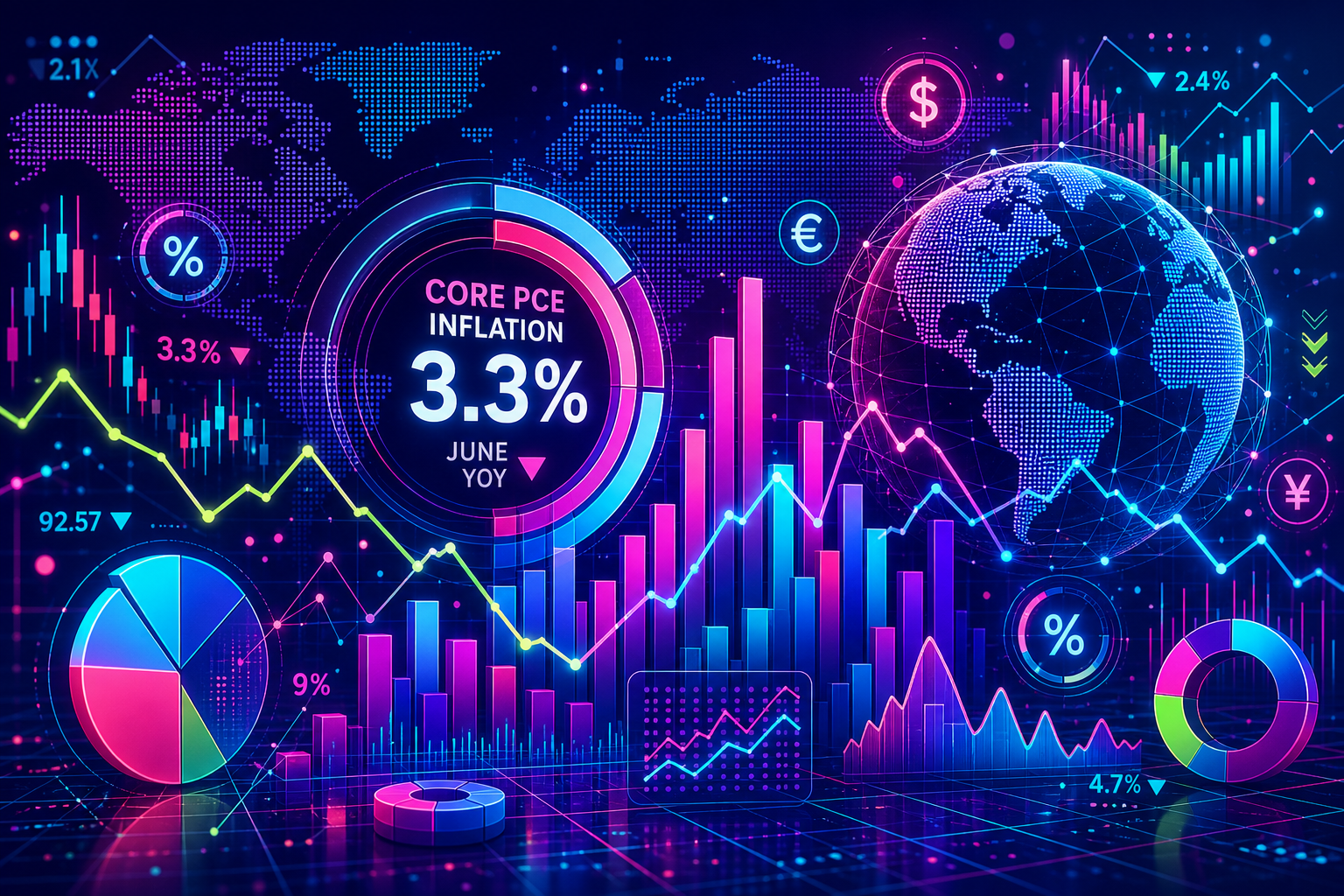
In June, the core Personal Consumption Expenditures (PCE) price index, a key measure of inflation closely monitored by the Federal Reserve, recorded an annual increase of 3.3%. This figure aligns precisely with forecasts and shows a minor decrease from May's reading, which was also 3.3%. On a month-to-month basis, core prices edged up by 0.1%, slightly below the anticipated 0.2% increase.
The core PCE index excludes volatile food and energy prices, offering a clearer picture of underlying inflation trends. In contrast, the headline PCE index, which includes all items, rose 3.7% year-over-year in June, also meeting expectations. However, it saw a monthly decline of 0.1%, consistent with predictions.
The Federal Reserve’s Inflation Target
The Federal Reserve views the core PCE as its primary measure of inflation, aiming for a target of 2% over the long run. This target is critical for setting monetary policy, especially as the central bank navigates the complexities of an economy increasingly influenced by global events, supply chain disruptions, and changing consumer behavior.
Implications for Monetary Policy
With inflation numbers remaining stubbornly above the Fed's target, the central bank faces a challenging landscape. The slight decline in the core PCE may suggest that inflationary pressures are starting to ease, but it is crucial to analyze the broader economic context.
-
Interest Rates: The Fed's response to inflation is often to adjust interest rates. A higher inflation rate typically leads to increased rates to curb spending and borrowing. Conversely, a dip in inflation might signal that the Fed could pause further rate hikes, although the ongoing economic uncertainty means that such decisions remain cautious and data-driven.
-
Economic Growth: The Fed must balance the need to control inflation with supporting economic growth. Overly aggressive rate hikes could stifle consumer spending and business investment, potentially leading to a slowdown or recession.
Consumer Behavior and Spending Patterns
Inflation impacts consumer behavior significantly. As prices rise, consumers often adjust their spending habits:
-
Shifts in Spending: Higher inflation can lead consumers to prioritize essential goods and services, reducing discretionary spending. For instance, in periods of rising prices, consumers may choose to cut back on non-essential items, leading to a shift in retail sales patterns.
-
Saving versus Spending: Inflation also affects savings. As the cost of living increases, consumers may feel compelled to save more, fearing that their purchasing power will dwindle. This shift can impact overall economic activity, as reduced spending can lead to slower growth.
Real-World Examples
Consider the retail sector, which has been grappling with inflationary pressures. Major retailers like Walmart and Target have reported changing consumer behaviors, with shoppers becoming more price-sensitive. For example, during the past few months, these companies have noted a decline in sales of discretionary items such as clothing and electronics, while essentials like groceries continue to see robust demand.
Additionally, the housing market reflects consumer sentiment during inflationary periods. Rising interest rates have led to increased mortgage rates, cooling home-buying activity. Potential buyers are hesitant to commit, causing inventory levels to rise and home prices to stabilize or even decline in some markets.
Broader Economic Implications
While the June PCE inflation figures provide a snapshot of current conditions, the broader implications for the economy are significant:
Global Economic Context
The ongoing geopolitical tensions, particularly in Europe and Asia, alongside the lingering effects of the COVID-19 pandemic, have created a complex global economic landscape. These factors contribute to supply chain disruptions, which can exacerbate inflation pressures. As economies around the world recover at different paces, the interplay between domestic inflation and global economic conditions is crucial.
Supply Chain Challenges
Supply chain issues continue to affect various sectors, from automotive to electronics. For instance, the semiconductor shortage has had a profound impact on the automotive industry, leading to production slowdowns and increased vehicle prices. These challenges highlight the interconnectedness of global markets and the need for resilient supply chains.
Wage Growth and Labor Market Dynamics
The labor market plays a vital role in shaping inflation. As employers compete for talent, wage growth has accelerated in certain sectors, further contributing to inflationary pressures. However, rising wages can also lead to increased consumer spending, supporting economic growth.
A Balanced Perspective
While the June PCE data suggests a slight easing in inflation, it is essential to maintain a balanced perspective. Several factors could influence future inflation dynamics:
-
Consumer Confidence: Economic confidence among consumers and businesses will play a crucial role in shaping spending and investment decisions. If confidence remains high, spending may continue to drive economic growth, potentially sustaining inflationary pressures.
-
Policy Response: The Federal Reserve's response to inflation will be closely watched. Any shifts in policy direction could have significant implications for the economy, interest rates, and market stability.
-
External Shocks: Unexpected events, whether geopolitical, economic, or environmental, could alter the inflation landscape quickly. Policymakers must remain vigilant and adaptable to navigate these uncertainties.
Conclusion
The core PCE inflation reading of 3.3% in June reflects a complex interplay of factors that affect the economy. While this slight dip from May’s figure may provide some hope for a stabilization of inflation, the broader implications for monetary policy, consumer behavior, and economic growth remain significant.
As we move forward, monitoring inflation trends and their impact on the economy will be crucial for investors, policymakers, and consumers alike. The path to achieving the Fed's inflation target is fraught with challenges, and vigilance will be necessary to ensure a balanced and sustainable economic recovery.








No comments yet. Be the first to share your thoughts!