




In an escalating battle against rising inflation, former President Donald Trump has set his sights on gasoline retailers, urging them to reduce prices significantly in light of recent oil market fluctuations. This shift comes on the heels of a Supreme Court decision that curtails the former president’s ability to exert influence over the Federal Reserve, leaving him seeking new avenues to address the affordability crisis faced by many Americans.
The Current State of Gas Prices
Gas prices have become a focal point in the national economic conversation, particularly with recent statistics from the Bureau of Labor Statistics (BLS) indicating a staggering 40.5% increase in gasoline costs over a 12-month period ending May 2026. Fuel oil prices surged even higher, climbing by 58.9%. These dramatic increases have been attributed to geopolitical factors, particularly the conflict between the U.S. and Israel with Iran, which has raised concerns about oil supply routes from the Middle East.
Despite the recent easing of oil prices—currently hovering around $68 a barrel—gasoline prices have remained elevated, prompting Trump to take action. On Truth Social, he made an emphatic plea: “Gasoline retailers must get their prices down, IMMEDIATELY! They’re too high considering that oil is now at $68 a barrel, and heading south.”
The Push for $2.50 Gas
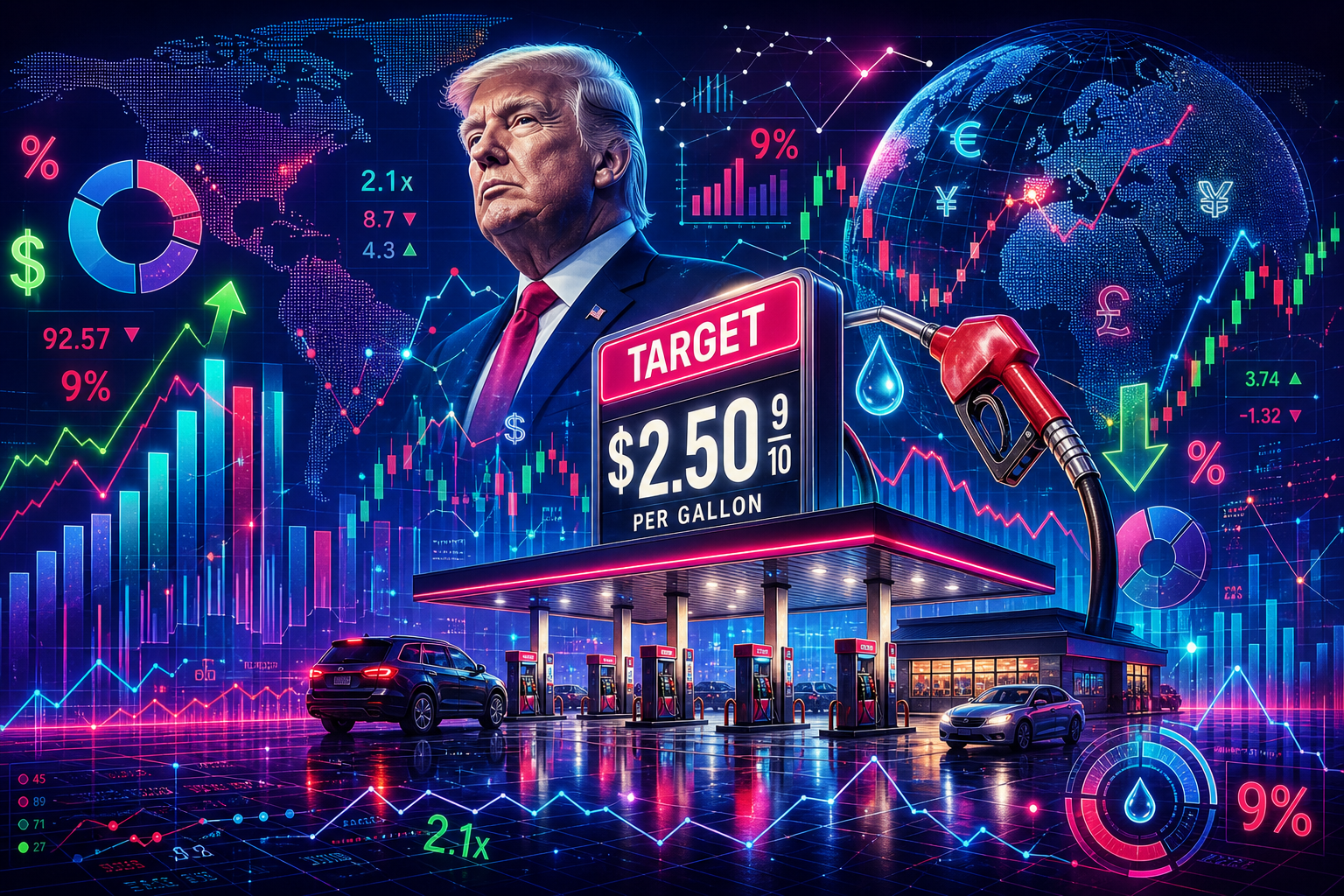
Trump's bold claim that gas stations should charge only $2.50 per gallon may seem unrealistic, given that the American Automobile Association (AAA) reports the average price for regular gas at approximately $3.85. While this represents a decrease from last month’s $4.36, it remains notably higher than the $3.19 average from a year ago.
In his social media posts, Trump warned retailers against "gauging" (presumably a misspelling of "gouging") prices during times of crisis, threatening that “big problems lie ahead” if they do not comply. This rhetoric, while aiming to resonate with frustrated consumers, raises questions about the feasibility of such a price reduction. Gasoline pricing is influenced by a complex web of factors including crude oil prices, refining costs, distribution, and local market conditions.
Historical Context: Trump's Economic Strategies
Trump's attempt to manipulate market dynamics is not unprecedented. During his presidency, he frequently targeted the Federal Reserve for its monetary policies, particularly criticizing then-chairman Jerome Powell for maintaining higher interest rates. Trump argued that elevated borrowing costs stifled consumer spending and investment, thereby hindering economic growth.
In an aggressive bid to lower interest rates, Trump went as far as to initiate probes into the Fed's leadership and to publicly insult Powell. However, these efforts ultimately failed to yield the desired results, culminating in a stagnation of his campaign to push for lower rates. The current inflation rate stands at 4.2%, significantly surpassing the Fed's target of 2%.
The Supreme Court Ruling: A Setback for Trump
Adding to Trump's challenges, a recent Supreme Court ruling dealt a blow to his influence over the Federal Reserve. The court's decision confirmed that Trump was wrong to attempt the ousting of Fed Governor Lisa Cook without due process, reinforcing the Fed's independence from political interference. Chief Justice John Roberts emphasized the importance of this independence, stating that it is essential not only in practice but also in perception, particularly for global economic confidence.
This ruling has refocused Trump's attention toward the gas industry, as he seeks to regain control over a narrative that has shifted against him. With the midterm elections approaching, the pressure to demonstrate leadership on economic issues is mounting.
Implications for Consumers and the Economy
Trump's call for reduced gas prices is indicative of broader economic frustrations felt by many Americans. High fuel prices can have a cascading effect on the economy, leading to increased transportation costs, higher prices for goods, and ultimately squeezing household budgets. As inflation continues to challenge consumers, the political ramifications of these economic conditions could be significant.
However, while Trump's intentions may resonate with a base of voters frustrated by rising costs, the practicality of his demands raises critical questions. The price of gasoline is not solely determined by retailers; it is influenced by global oil markets, refining processes, and regional supply and demand dynamics. Retailers operate with slim profit margins and can’t unilaterally decide to lower prices without potentially incurring losses.
The Challenge Ahead: Balancing Act for Retailers
Gasoline retailers are now caught in a challenging position. On one hand, they face pressure from political figures like Trump to reduce prices. On the other hand, they must navigate the realities of their operating costs and market conditions. The threat of governmental scrutiny or backlash can complicate their pricing strategies further, leading to a potential standoff between retailers and policymakers.
In the past, American consumers have shown resilience, adapting to fluctuating gas prices and adjusting their spending habits accordingly. However, the current economic climate, marked by a combination of high inflation and geopolitical uncertainties, means that even minor changes in fuel prices can significantly impact consumer sentiment and spending.
The Broader Economic Landscape
As Trump focuses his attention on gas prices, it is essential to consider the broader economic landscape. The inflationary pressures affecting consumers are multifaceted, influenced by supply chain disruptions, labor market dynamics, and changes in consumer behavior post-pandemic. While addressing gas prices is a vital aspect of the inflation battle, it must be part of a more comprehensive strategy to tackle the root causes of rising costs.
The Federal Reserve remains a critical player in this economic drama, with its monetary policy decisions influencing everything from interest rates to inflation expectations. As Trump attempts to redirect public frustration toward gasoline retailers, the underlying economic challenges remain. The Fed's ability to maintain its independence and implement effective policies will be crucial in stabilizing the economy and restoring consumer confidence.
Conclusion: Navigating Future Challenges
In summary, Trump’s latest move to target gas prices reflects a broader struggle against inflation that is capturing national attention. While his call for retailers to drop prices to $2.50 per gallon may resonate with consumers looking for relief, the complexities of the oil market and economic conditions present significant challenges.
As the political landscape evolves and midterm elections approach, the implications of rising fuel costs will remain a central issue. The interplay between market dynamics, consumer sentiment, and government policy will shape the trajectory of this economic narrative. For consumers, the battle against inflation is far from over, and the coming months will be critical in determining how these various forces interact in the quest for affordability and economic stability.








No comments yet. Be the first to share your thoughts!