




Introduction: A Double-Edged Sword
In an age where digital platforms can elevate local talent to global stardom, the allure of becoming a content creator has never been stronger. Envision a world where your art resonates with millions, where every post garners waves of admiration. This is the dream many artists chase. However, as we dive deeper into the experiences of these creators, a darker narrative emerges: the very audiences that buoy their careers can also become a source of profound anxiety and despair.
The Rise of the Creator Economy
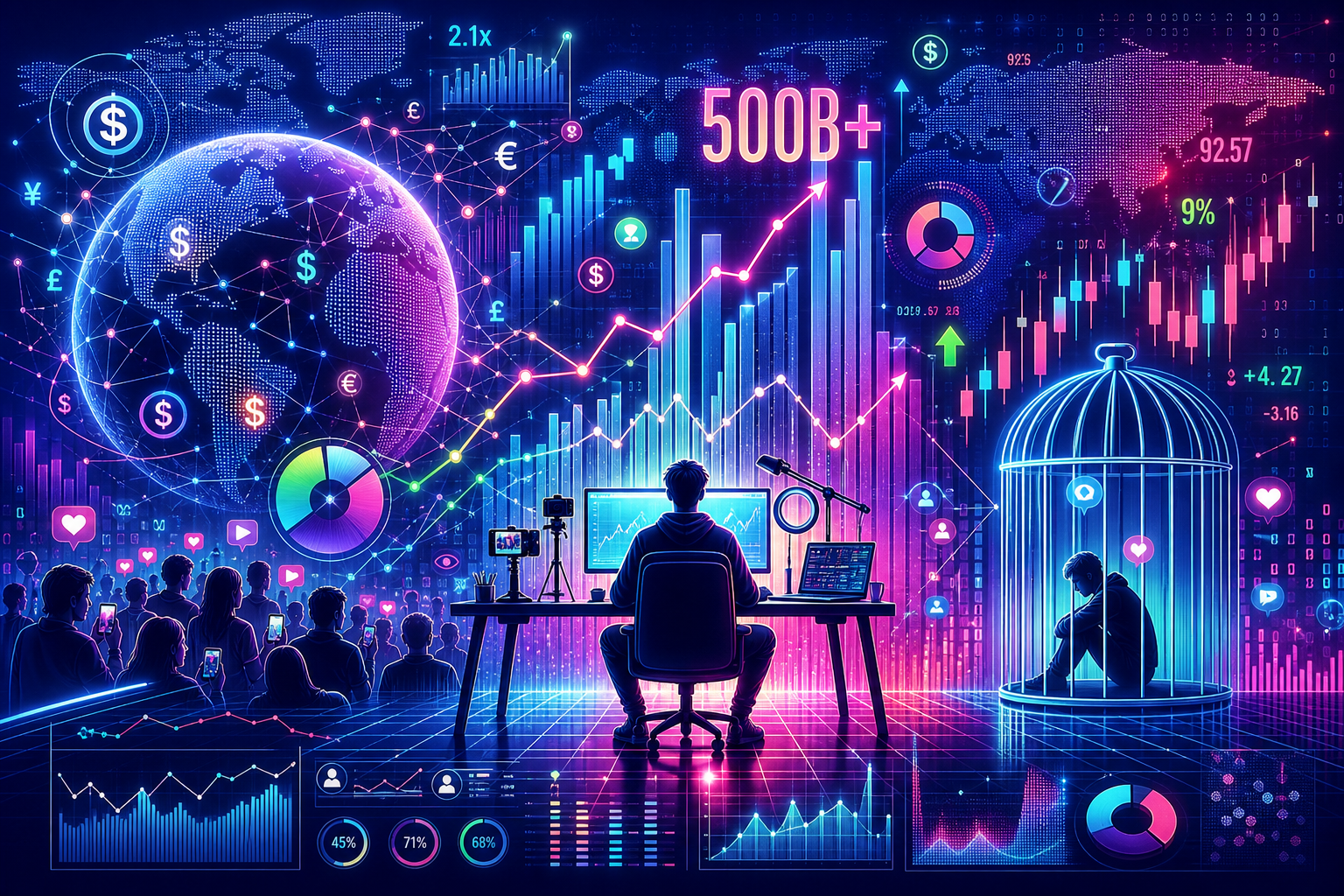
The creator economy has exploded in recent years, transforming the way we think about work and success. According to various estimates, it currently stands at around $300 billion, with Goldman Sachs projecting it could swell to $500 billion within just a few years. The evolution of social media platforms has democratized fame, allowing anyone with talent and determination to reach vast audiences.
This has shifted aspirations dramatically—Generation Z and Generation Alpha now rank content creation among their top career goals, outpacing traditional professions such as medicine and engineering. With universities even offering degrees in content creation, the path to becoming a creator seems paved with promise.
The Cost of Fame: Existential Dread Among Creators
Yet, as our research involving 54 creators reveals, this dream often comes wrapped in layers of psychological complexity. Many artists, despite their success, experience an unsettling sense of dread. Mark, a pseudonym for an illustrator, encapsulates this sentiment perfectly: “I would rather die than make relatable comics, but I’ve built an empire of relatable comics. So what the (heck) am I supposed to do with my life?”
This paradox highlights a growing phenomenon known as audience entanglement—where creators feel inextricably linked to their followers, leading to a suffocating sense of obligation. The pressure to meet audience expectations can overshadow the passion that initially fueled their creative journey.
Audience Entanglement: A Psychological Burden
The concept of audience entanglement speaks to a profound shift in the relationship between creators and their followers. Through our interviews, we noted that many creators described their interactions with audiences as oppressive. They felt compelled to conform to the expectations and desires of their followers, often at the cost of their authenticity.
A Survey of Creative Discouragement
- Flattened Identities: One artist lamented that she had to "flatten and suppress her real self" to engage meaningfully with her audience.
- Trapped Emotions: Another creator described feeling like a "crumpled-up ball of paper," burdened by the weight of public perception.
- Chamber of Despair: A cartoonist echoed these sentiments, likening her audience to a "chamber of despair" that stifled her creativity.
This phenomenon affects creators across various platforms and mediums, revealing that no demographic is immune to the psychological strains of fame. From musicians to visual artists, the stories are eerily similar—an artist's once liberating pursuit now feels like a restrictive cage.
The Performance Pressure: A Full-Time Job
The entanglement with audiences can quickly morph into a full-time job in itself. Creators report feeling hypersensitive to their post performances, often checking metrics obsessively. The comments section—a place initially meant for engagement—can turn into a minefield of negativity.
Selena, an illustrator, articulated this experience succinctly: “A single mean message would ruin my week.” In an environment where positive reinforcement is crucial, the weight of negative feedback can overshadow even the most heartfelt affirmations from fans.
The pressure intensifies further when creators face not just critique but also the emotional burdens of their audience. Maya, a successful creator, expressed the difficulty of managing her followers' pain: “I didn’t know how to really hold people’s pain in a meaningful way… it’s just a lot for a person to take on.”
This overwhelming emotional responsibility further complicates the relationship between creators and their audience, making the creative process feel less like an artistic journey and more like a precarious balancing act.
The Irony of Success: A Path to Paralysis
The tragic irony is that the very audience that allows creators to monetize their work can also lead to creative paralysis. The immense attention can suffocate creativity, making the pursuit of authenticity feel unattainable. For many, what was once a passion project has transformed into a source of existential angst.
This is not merely a problem for full-time influencers. As the digital landscape evolves, professionals across industries—journalism, politics, and academia—are increasingly required to cultivate large followings. The line between personal and professional lives blurs, leaving individuals vulnerable to the same psychological challenges faced by creators.
Strategies for Healthy Engagement
Not all creators remain trapped by their audience’s expectations. Through our conversations, we identified several strategies that have helped some break free from this entanglement. These "entanglement management strategies" enable creators to reclaim their agency while still engaging with their audiences.
- Set Boundaries: Creators who set clear boundaries around their online presence often find a renewed sense of purpose. Limiting time spent on social media can help reduce anxiety.
- Curate Interactions: Engaging intentionally with followers—responding to supportive comments while ignoring negativity—can foster a healthier dynamic.
- Find Balance: As Charlie, another illustrator, described, it’s about hitting “that sweet spot” where one’s internal self aligns with external expectations, allowing for a more authentic representation of the self.
These strategies are not just applicable to content creators; they offer valuable lessons for anyone navigating the complexities of online engagement.
Broader Implications: The Future of Work
As we contemplate the future of work in a digital age, the implications of audience entanglement become increasingly significant. The skills required to manage online interactions are becoming essential, regardless of one's career path. The pressure to cultivate a personal brand is shifting traditional job dynamics, where the quantity of followers can sometimes outweigh professional competency.
For many, this evolution has led to a new kind of anxiety, where validation becomes tied to online metrics. The addictive nature of social media can make it difficult to disengage, leading individuals to question their worth and identity.
Conclusion: Navigating the New Normal
The creator economy presents a paradox: while it offers unprecedented opportunities for expression and connection, it also demands a nuanced understanding of the psychological complexities involved. As creators wrestle with the burdens of audience entanglement, they are faced with critical choices that will shape their careers and personal identities.
The intersection of fame, creativity, and mental health underscores the need for a balanced perspective. In a world where the desire for validation can overshadow genuine artistic expression, it is essential for creators—and all individuals—to cultivate healthy boundaries and engage with their audiences in meaningful, intentional ways.
As we move forward in this evolving landscape, the lessons learned from the experiences of content creators will resonate far beyond the realm of social media, informing how we navigate connections, expectations, and our sense of self in a hyper-connected world.








No comments yet. Be the first to share your thoughts!