





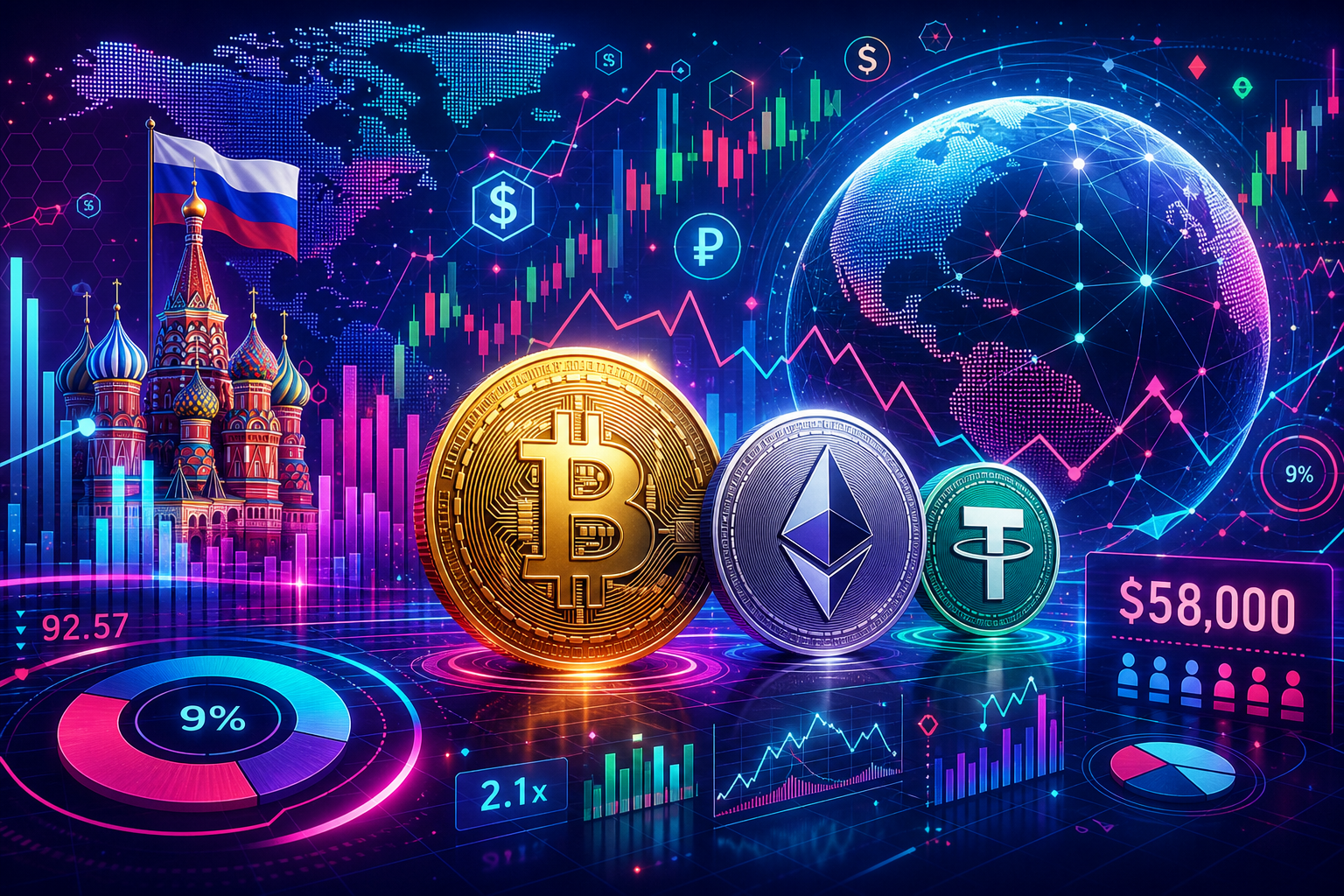
Russia Embraces Crypto Trading: Bitcoin, Ethereum, and USDT Take Center Stage
SUMMARY: Russia's Bank of Russia has proposed a new framework for public cryptocurrency trading, allowing non-qualified investors to trade Bitcoin, Ethereum, and USDT, with a cap of ₽300,000 (approximately $58,000) annually. This development marks a significant shift in the country's approach to digital assets, while also raising questions about regulatory compliance and the implications of international sanctions.
Introduction
In a landmark decision that could reshape the landscape of cryptocurrency trading in Russia, the Bank of Russia has proposed a framework for public organized trading of cryptocurrencies. This initiative is centered around three major digital assets: Bitcoin (BTC), Ethereum (ETH), and Tether (USDT). With a cap on annual investments for non-qualified residents, this move reflects a cautious yet progressive step towards integrating cryptocurrencies into the mainstream economy.
As global interest in cryptocurrency continues to surge, Russia's approach speaks volumes about its intentions in the digital asset space. This article will delve into the proposed regulations, their implications for Russian investors, and the broader context of cryptocurrency trading amid ongoing international sanctions.
Understanding the Proposal
The Bank of Russia's draft directive outlines a structured approach to cryptocurrency trading that focuses on accessibility and regulation. Here's a closer look at the key components:
Eligible Assets
The directive proposes that only Bitcoin, Ethereum, and USDT will be available for public organized trading. This selective approach is likely aimed at minimizing the risks associated with less established cryptocurrencies, thereby providing a safer trading environment for retail investors.
Investment Cap for Non-Qualified Investors
For non-qualified residents, the proposed framework allows annual investments of up to ₽300,000, roughly equivalent to $58,000, through a single broker. This cap is calculated based on the cumulative purchase costs of cryptocurrencies made through that broker during the year.
- Implications for Retail Investors:
- Accessibility: This limit aims to protect inexperienced investors from potential losses while still allowing them some exposure to cryptocurrencies.
- Brokerage Role: The broker becomes a crucial intermediary, managing clients' investments within the specified cap. This setup emphasizes the importance of regulated entities in the cryptocurrency ecosystem.
Qualified Investors
For those classified as qualified investors, the rules are significantly more lenient. These investors, who must pass a test to demonstrate their knowledge of the cryptocurrency market, will be able to buy and sell any cryptocurrencies through regulated brokers without any ceiling on the amount they can invest.
- Benefits for Qualified Investors:
- Broader Access: This tiered approach allows more sophisticated investors to fully engage with the cryptocurrency market, including assets beyond the initial three listed.
- Regulated Trading Environment: Qualified investors will benefit from a structured, regulated trading environment, which can enhance market stability and investor confidence.
The Road Ahead: Key Dates and Developments
The proposed directive is currently open for public comments until August 24, 2023. Following this period, the Bank of Russia retains the authority to amend the list of eligible cryptocurrencies, the investment cap, and other provisions. The legal framework governing cryptocurrency markets in Russia is set to take effect on September 1, 2023, marking a significant milestone in the country’s regulatory landscape.
Expected Timelines
- August 24, 2023: Deadline for public comments on the draft directive.
- September 1, 2023: Scheduled implementation of the underlying cryptocurrency market law.
- Post-Consultation: The final directive will be published, and the provisions will come into effect ten days thereafter.
This timeline indicates a rapid progression towards the establishment of a legally recognized cryptocurrency trading framework in Russia, which could have significant ramifications for both local and international investors.
International Context: Sanctions and Compliance
The backdrop of international sanctions against Russia has complicated the country's financial landscape. These sanctions have spurred interest in cryptocurrencies as potential tools for bypassing traditional financial systems. However, the new regulations also reflect a desire to maintain compliance with international norms.
Navigating Sanctions
- Impact of Sanctions: Western sanctions have restricted Russia's access to global financial markets, prompting the government to explore alternative avenues, including digital currencies.
- Legal Frameworks: The proposed regulations aim to provide a clear legal structure for cryptocurrency trading, which could help mitigate risks associated with sanctions and enhance compliance.
Cross-Border Transactions
The draft directive also includes provisions for cross-border payments using cryptocurrencies. Exporters and importers will be permitted to use any type of wallet or cryptocurrency for international transactions, provided these trades are conducted through intermediaries. This aspect of the proposal highlights Russia's intention to facilitate global trade while navigating the complexities associated with international sanctions.
Broader Implications for the Cryptocurrency Market
The Bank of Russia's initiative is not merely a domestic development; it holds significant implications for the global cryptocurrency market. A few key points to consider:
Market Dynamics
- Increased Participation: By providing a regulated framework for cryptocurrency trading, the Bank of Russia could lead to increased participation from retail and institutional investors alike. This influx of capital may contribute to greater market liquidity and volatility.
- Potential for Innovation: A structured regulatory environment can encourage innovation within the cryptocurrency space, leading to the emergence of new financial products and services tailored to the Russian market.
International Relationships
- Geopolitical Considerations: As Russia continues to face international scrutiny, its approach to cryptocurrencies may influence its relationships with other nations, particularly those that are also exploring digital currencies.
- Collaboration Opportunities: The establishment of a regulated cryptocurrency market may open avenues for collaboration with other countries interested in the development of blockchain technology and digital asset regulations.
Conclusion: A Cautious Step Towards a Digital Future
The Bank of Russia's proposal to allow public organized trading of Bitcoin, Ethereum, and USDT represents a significant shift in the country's approach to cryptocurrencies. By establishing a regulated framework, the central bank aims to balance the need for investor protection with the desire to embrace the potential benefits of digital assets.
As the proposal moves through the consultation process, the cryptocurrency community will be watching closely. The potential ramifications of these regulations could extend far beyond Russia's borders, influencing global market dynamics and reshaping how digital currencies are integrated into traditional financial systems.
In a rapidly evolving landscape, the introduction of a legal framework for cryptocurrency trading in Russia marks a cautious yet promising step towards a more inclusive and regulated digital economy. Investors and stakeholders will need to stay informed as the situation develops, keeping an eye on how these regulations will ultimately shape the future of cryptocurrency in Russia and beyond.








No comments yet. Be the first to share your thoughts!