




Introduction: The Rise of Memecoins and Robinhood's Blockchain
The world of cryptocurrency can often feel like a rollercoaster ride, marked by euphoric peaks and disheartening troughs. During the last significant crypto boom in 2024 and 2025, memecoins—cryptocurrencies inspired by internet memes—captured the imagination of investors, leading to a frenzy of trading activity. Platforms like Solana and applications such as Pump.fun became hotspots for enthusiasts eager to launch dog-themed, cat-themed, and frog-themed tokens. Even political figures, including Presidents Donald Trump and Javier Milei of Argentina, dipped their toes into this meme-fueled market, with varying degrees of success and controversy.
Fast forward to July 2023, and the memecoin market seemed to show signs of life once more. This revival coincided with the launch of Robinhood's blockchain, a layer-2 network built on Ethereum, aimed at tokenizing real-world assets (RWAs). However, instead of facilitating transactions for genuine tokenized financial products, the blockchain quickly transformed into a playground for memecoin trading, reigniting interest in these quirky tokens.
Robinhood's Blockchain Ambition: Tokenizing Real-World Assets
Robinhood, which has heavily invested in cryptocurrency over the past few years, launched its blockchain as part of a broader strategy to embrace the future of finance. The company envisions a world where traditional financial assets—like stocks, bonds, and real estate—are tokenized and traded on decentralized networks. This concept of tokenization holds immense potential, allowing for greater liquidity, transparency, and democratization of asset ownership.
Johann Kerbrat, Robinhood’s Senior Vice President of Crypto, emphasized this focus, stating, “We are laser-focused on one mission: building the most secure, scalable, and seamless foundation for real-world assets.” The idea is that by offering a platform for real assets in a blockchain format, Robinhood could revolutionize how investors interact with markets.
Initial Impact: A Surge in Trading Volume
Upon its launch, Robinhood Chain saw a remarkable increase in trading volume. Data from cryptocurrency analytics provider DefiLlama indicated that trading volume skyrocketed from just over $200,000 on July 1 to more than $500 million within nine days. This surge could be viewed as a resounding success for Robinhood's blockchain ambitions; however, a closer look reveals that the source of this trading volume was not the anticipated real-world assets but rather the familiar, speculative terrain of memecoins.
Memecoins Take Center Stage
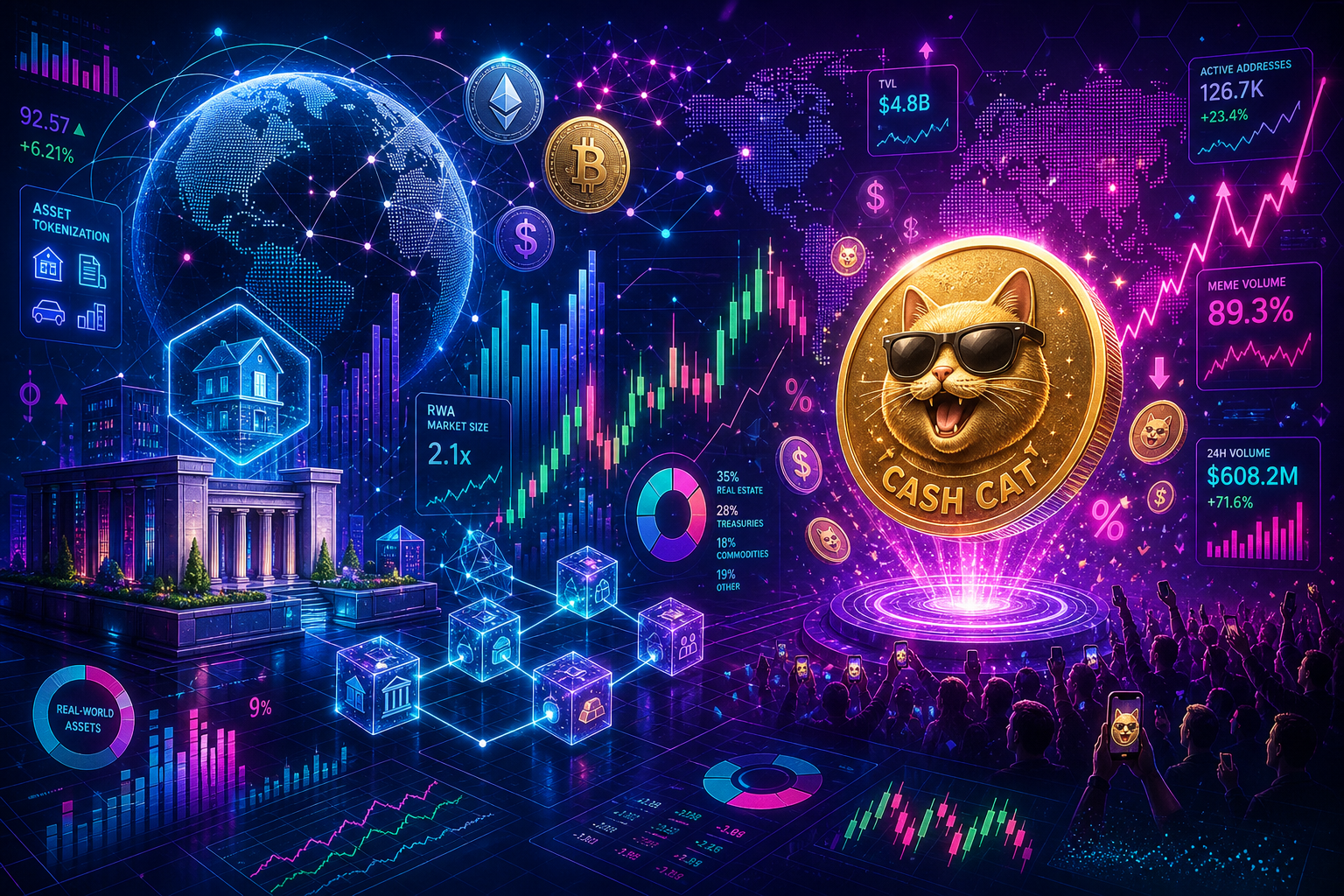
Despite Robinhood's serious intentions, the blockchain became a hotspot for memecoin trading. Among the most notable tokens was Cash Cat, which quickly gained traction and secured a market capitalization of around $150 million. The name is a nostalgic reference to Robinhood's early days when co-founders Vlad Tenev and Baiju Bhatt initially dubbed their company "CashCat."
This unexpected focus on memecoins is not entirely surprising. Historically, Robinhood has thrived on the back of meme-inspired investing. In 2021, the brokerage played a pivotal role in the meteoric rise of GameStop’s stock. During the same year’s second quarter, a staggering 62% of Robinhood’s crypto revenue came from transactions involving Dogecoin, the original memecoin.
A Dual Narrative: Serious Innovation vs. Speculative Trading
As Robinhood navigates the dual narratives of serious financial innovation and the whimsical world of memecoins, it raises pertinent questions about the nature of cryptocurrency trading.
-
Speculative Behavior: The popularity of memecoins often reflects a broader trend of speculative behavior in cryptocurrency markets, where investors chase short-term gains rather than long-term value. The allure of quick profits can overshadow the potential benefits of real-world asset tokenization.
-
Market Dynamics: The influx of memecoins into Robinhood's blockchain poses questions about the dynamics of the crypto market. While the company seeks to position itself as a leader in the tokenization of real assets, the overwhelming interest in memecoins suggests that many investors are more interested in the immediate thrill of trading rather than the foundational goals of the blockchain.
-
Regulatory Implications: As financial institutions like Robinhood venture deeper into cryptocurrency, regulatory scrutiny is likely to intensify. The juxtaposition of serious blockchain ambitions and the chaotic nature of memecoin trading could attract attention from financial regulators, who seek to protect investors from potential market manipulation and fraud.
Balancing Ambitions: A Vision for the Future
Despite the current memecoin mania, Robinhood remains committed to its vision of tokenizing real-world assets. In a recent post on social media platform X, Vlad Tenev acknowledged the duality of their blockchain's use, stating, “While we’re building Robinhood Chain to be the best chain for RWA [real-world assets], it works great for memes, too.” This statement encapsulates the challenge facing Robinhood: balancing its mission to innovate within the financial sector while catering to the whims of traders drawn to the memecoin phenomenon.
Real-World Implications of Tokenization
The implications of successful asset tokenization extend beyond Robinhood. If financial institutions can effectively tokenize real-world assets, it could lead to significant advancements in several areas:
-
Increased Liquidity: Tokenization can enhance the liquidity of traditionally illiquid assets, allowing more investors to participate in markets that were previously out of reach.
-
Fractional Ownership: Tokenized assets could enable fractional ownership, democratizing access to high-value investments like real estate or fine art, which have historically been reserved for wealthy individuals.
-
Transparency and Security: The use of blockchain technology can provide greater transparency and security for transactions, reducing fraud and increasing trust in financial markets.
Conclusion: The Future of Robinhood's Blockchain
As Robinhood continues its journey into the world of cryptocurrency, the initial foray into memecoins raises both excitement and skepticism. While the trading of tokens like Cash Cat may bring immediate engagement, the company must remain focused on its long-term vision of tokenizing real-world assets.
The landscape of cryptocurrency is ever-evolving, and Robinhood's ability to navigate the complexities of this market will be crucial. The juxtaposition of serious financial aspirations against a backdrop of speculative mania serves as a reminder of the challenges inherent in the rapidly changing world of crypto.
Ultimately, the success of Robinhood's blockchain may hinge on its capacity to inspire confidence in its vision while also recognizing and adapting to the unpredictable nature of trader behavior. As the company moves forward, it will be essential to strike a balance between catering to the whims of the memecoin crowd and fostering a sustainable ecosystem for real-world assets. The story of Robinhood's blockchain is only just beginning, and its impact on the future of finance remains to be seen.








No comments yet. Be the first to share your thoughts!