




Understanding the K-Shaped Economy
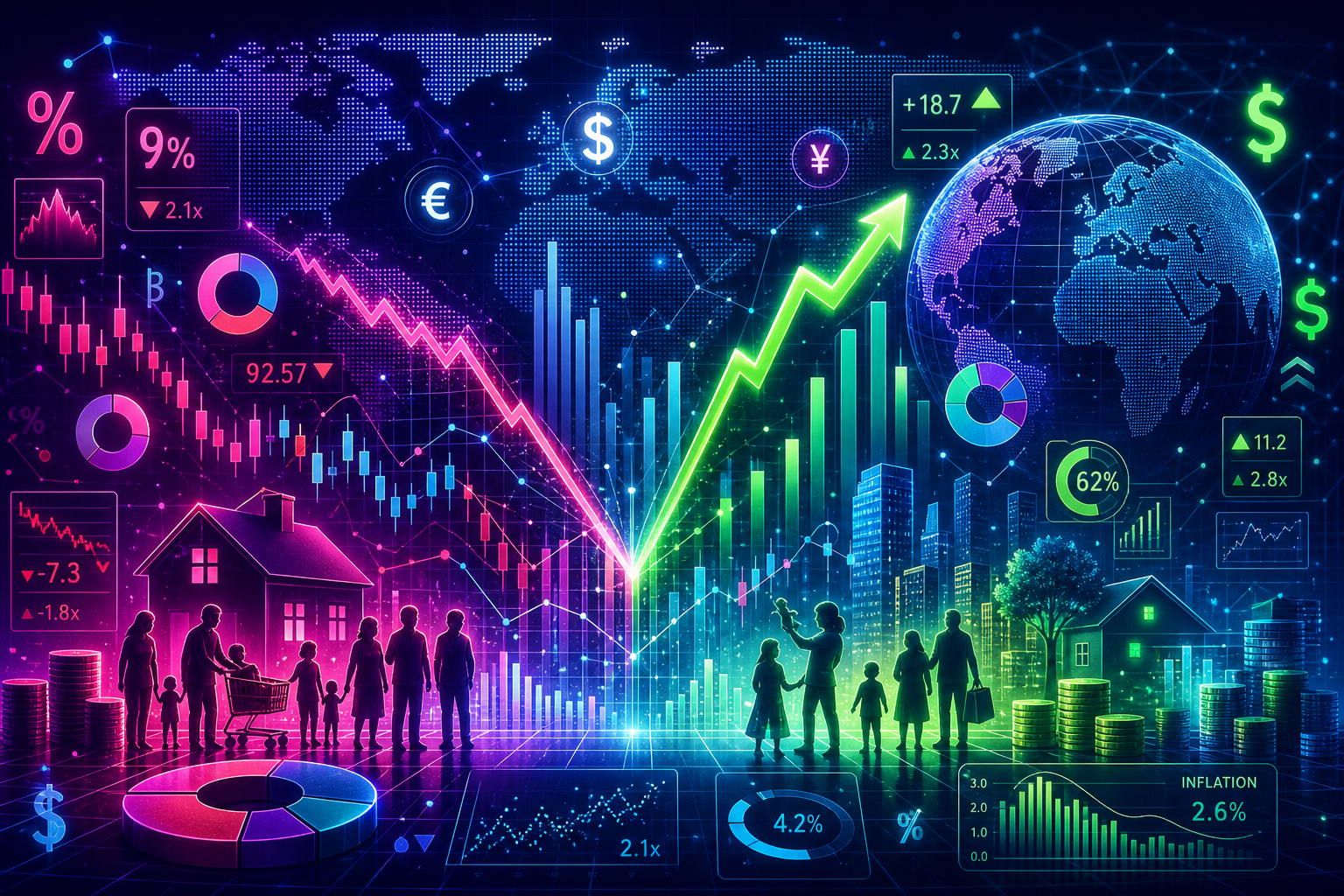
The term "K-shaped economy" emerged during the COVID-19 pandemic to describe the uneven recovery that followed. In this model, higher-income earners experienced a swift rebound, buoyed by stock market gains and the ability to work remotely, while lower-income households faced ongoing struggles such as job loss, reduced hours, and rising living costs. This disparity has raised concerns about long-term economic stability and equity.
For many, the pandemic exacerbated existing inequalities, leaving lower-income families grappling with the repercussions of job losses and escalating prices for essential goods. As we move further into 2023, the lingering effects of the pandemic continue to shape economic dynamics. However, recent data suggests that we might be witnessing the early signs of a shift in this narrative.
Positive Signs in Lower-Income Spending
Bank of America’s recent analysis shines a light on a notable uptick in spending patterns among lower-income families. According to their latest card transaction data, spending on goods and services—excluding gas—has increased among this demographic. This trend could signal a crucial turning point, indicating that the K-shaped recovery may be beginning to fade.
Key findings include:
- Closing Gap: The spending gap between upper and lower-income earners is narrowing. Wealthier households have maintained consumption levels established earlier this year, while lower-income consumers are starting to spend more.
- Increased Consumption: Recent days have seen a marked increase in spending among lower-income brackets, suggesting a growing confidence in their financial situations.
Factors Influencing the Shift
Several factors may be contributing to this potential recovery for lower-income households:
-
Geopolitical Developments: Recent negotiations between the U.S. and Iran regarding military conflicts in the Middle East have generated optimism. While talks were abruptly halted, the hope for a more stable geopolitical climate could help reduce inflationary pressures, particularly concerning gas and food prices.
-
Oil Price Trends: At the height of geopolitical tensions, crude oil prices surged to over $113 per barrel. However, as tensions ease, prices have significantly dropped to around $79, which could translate to lower costs for consumers, particularly affecting the prices of essential goods.
-
Wage Growth: A recent report from Bank of America Institute has shown promising signs of after-tax wage growth for lower- and middle-income households. While it’s still early to declare a sustained shift, this trend warrants close observation as it could boost consumer confidence and spending power.
-
Job Market Recovery: The unemployment rate has held steady at 4.3%, with payroll giant ADP reporting that private employers added 122,000 jobs in May. This broad-based hiring indicates a resilient labor market, which is crucial for supporting spending among lower-income consumers.
Broader Economic Implications
The potential easing of the K-shaped economy has broader implications beyond just consumer spending patterns. A more balanced recovery could lead to:
- Increased Economic Stability: If lower-income households continue to recover, it could foster a more stable economic environment, reducing volatility and creating a healthier overall economy.
- Enhanced Consumer Spending: With improved job prospects and wage growth, increased spending from lower-income households could stimulate demand across various sectors, bolstering economic growth.
- Strengthened Middle-Class Foundations: A recovering lower-income demographic may help rebuild a stronger middle class, which is essential for sustainable economic growth and social stability.
Analyzing the Labor Market Dynamics
Key to understanding this shift is the state of the labor market. The fact that lower-income households are beginning to spend more ties back to job growth in sectors that traditionally employ these demographics. Dr. Nela Richardson, ADP’s chief economist, noted that “hiring was more broad-based in May than we’ve seen in the last few years,” suggesting that various sectors are contributing to job creation.
Notable sectors include:
- Leisure and Hospitality: This sector has been bouncing back as restrictions have eased and consumer demand for travel and dining experiences has surged.
- Construction and Manufacturing: These industries are seeing a resurgence, partly due to ongoing infrastructure projects and increased demand for housing and commercial spaces.
The Role of Tariffs and Market Dynamics
Bank of America’s Shruti Mishra also pointed to external factors that may be driving this renewed optimism. Reduced tariff uncertainty and a robust equity market have combined to bolster higher-income spending, which in turn can influence broader economic health.
For instance, the New York Fed has discovered evidence that blue-collar workers are currently faring better than some of their counterparts in other sectors. This is highlighted in their latest wage inflation report, which indicates that while wage growth has generally declined, certain industries—specifically public administration and mining and construction—are experiencing stronger wage dynamics.
Looking Ahead: Cautious Optimism
While the current data certainly presents a cautiously optimistic outlook, it is essential to approach these developments with a balanced perspective. The recent uptick in spending and job growth does not eliminate the challenges that still exist for lower-income households. Rising costs of living, including rent, groceries, and healthcare, continue to strain budgets, making it critical for policymakers to monitor these trends closely and address persistent inequalities.
In conclusion, while the signs of a potential easing of the K-shaped economy are encouraging, ongoing vigilance is needed. Economic recovery is often nonlinear, and fluctuations can occur based on various domestic and global factors.
As we move forward into the latter half of 2023, the interplay between spending patterns, job growth, and geopolitical conditions will be crucial in determining whether this positive trend can be sustained. Investors, policymakers, and consumers alike should remain attuned to these evolving dynamics as we collectively navigate the complexities of our economic landscape.
Final Thoughts
As the economic landscape continues to evolve, it’s crucial to celebrate the positive signs while acknowledging the work still needed to ensure that all segments of society can thrive. The potential shift away from a K-shaped recovery holds promise, but it requires sustained effort and attention to detail from all stakeholders involved. The future of our economy may very well depend on how effectively we can build an inclusive and resilient framework for growth.








No comments yet. Be the first to share your thoughts!