



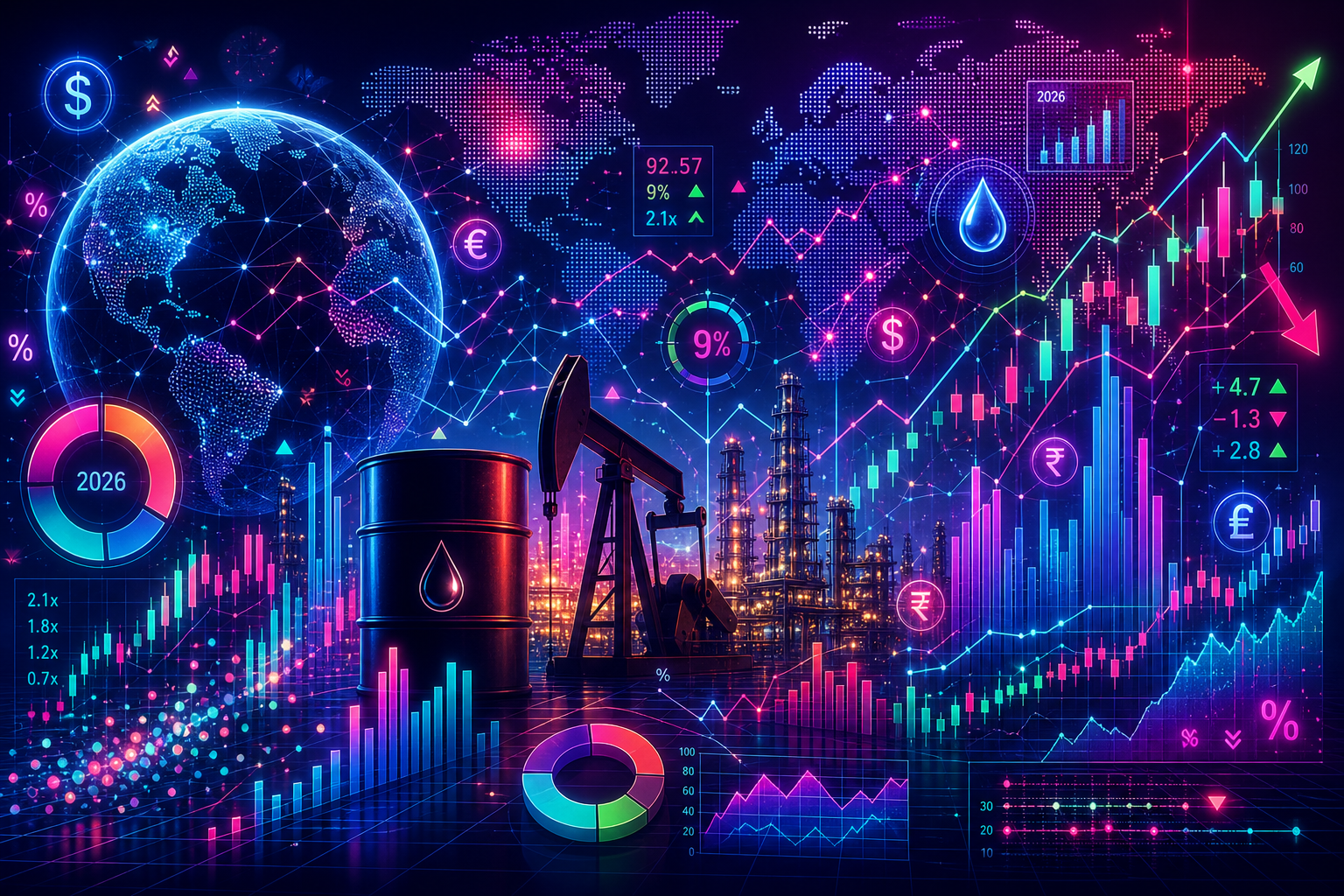
In the complex world of finance, market trends can shift rapidly, influenced by a myriad of factors including geopolitical events, commodity prices, and shifts in investor sentiment. As we move into 2026, recent data indicates a notable resurgence in oil prices, igniting fears of renewed inflation. This situation raises important questions about the sustainability of the market gains seen in recent months and poses challenges for investors navigating this landscape.
The Current State of Global Markets
The global financial landscape has seen impressive growth in early 2026, particularly within the commodities sector. Investment strategies leveraging various asset classes through exchange-traded funds (ETFs) have yielded substantial returns. Notably, the WisdomTree GCC Commodity ETF, which tracks a diverse range of commodities from the Gulf Cooperation Council, has surged nearly 26% year-to-date. This has positioned it as a standout performer in the current market climate.
However, as oil prices climb, so too do inflationary pressures, causing investors to reconsider their strategies. With the recent highs in both commodities and stock markets, the question arises: have we reached a peak, or is there still room for growth?
The Role of Oil Prices in Inflation Dynamics
Oil prices are a critical driver of inflation, affecting everything from transportation costs to consumer goods. Recent fluctuations have been significant, with the price of crude oil experiencing a notable uptick due to geopolitical tensions and supply chain disruptions. When oil becomes more expensive, it often leads to higher costs for businesses, which may pass those costs onto consumers in the form of increased prices.
This relationship between oil prices and inflation is well-documented. In the past, spikes in oil prices have frequently preceded broader inflationary trends, creating a ripple effect that can impact various sectors of the economy.
Key Factors Driving Oil Price Increases
- Geopolitical Tensions: Conflicts in oil-producing regions can lead to supply disruptions.
- Production Cuts: OPEC+ decisions to maintain or reduce output can influence global oil prices.
- Economic Recovery: As economies rebound post-pandemic, demand for oil increases, driving prices higher.
As these factors converge, inflation fears are rekindled, prompting caution among investors who are closely monitoring market indicators.
Investor Sentiment and Risk Assessment
Despite the robust performance of commodities, the prevailing sentiment in the stock market is one of caution. Investors are grappling with several risk factors that could inhibit further growth. Among these are:
- Rising Interest Rates: Central banks may respond to increasing inflation by tightening monetary policy, which could lead to higher borrowing costs and slow economic growth.
- Supply Chain Challenges: Ongoing disruptions could hinder production and exacerbate inflationary pressures.
- Market Valuations: With many stocks trading at historically high valuations, concerns about a potential market correction loom large.
Financial analysts recommend a balanced approach to investment, urging diversification across asset classes to mitigate risks. A strategy that includes commodities, stocks, and bonds may provide the necessary resilience against market volatility.
The Case for Commodities
Commodities have shown strong performance amid rising inflation expectations. Investors are increasingly turning to these tangible assets as a hedge against inflation. As the WisdomTree GCC Commodity ETF demonstrates, the commodities sector has proven resilient, garnering interest from both institutional and retail investors.
Benefits of Investing in Commodities:
- Inflation Hedge: Commodities often retain value during inflationary periods.
- Diversification: Including commodities in portfolios can reduce overall risk.
- Global Demand: As economies grow, demand for raw materials typically increases.
Real-World Examples: The Impact of Inflation on Consumers
The implications of rising oil prices and inflation are not merely theoretical; they have real consequences for consumers. For instance, consider the impact on everyday goods. Higher transportation costs can lead to increased prices for groceries and household items, which disproportionately affect lower-income families.
In recent months, many consumers have reported feeling the pinch at the pump, with gasoline prices climbing to levels not seen in years. This situation exemplifies how macroeconomic factors can directly influence individual financial situations, leading to a broader conversation about economic equity and the cost of living.
Broader Implications for Economic Policy
The resurgence in oil prices and the resultant inflationary pressures present a complex challenge for policymakers. Central banks, such as the Federal Reserve in the United States, must carefully navigate these waters to balance economic growth with inflation control.
Potential Policy Responses:
- Interest Rate Adjustments: Central banks may raise rates to combat inflation, but this could also stifle economic growth.
- Fiscal Policy Measures: Governments might implement targeted fiscal policies to support vulnerable populations affected by rising costs.
- Supply Chain Initiatives: Efforts to stabilize supply chains can mitigate some inflationary pressures, promoting smoother economic activity.
These policy decisions will have far-reaching implications for markets, businesses, and consumers alike.
Conclusion: Preparing for a Volatile Future
As we advance further into 2026, the interplay between oil prices, inflation, and market performance will continue to shape the financial landscape. Investors must remain vigilant, adapting their strategies to navigate potential volatility. While the commodities sector shows promise, the broader economic context remains uncertain.
In this environment, a diversified investment approach, coupled with a keen awareness of macroeconomic trends, will be essential for those looking to optimize their portfolios. By understanding the underlying dynamics at play, investors can position themselves to weather potential storms and seize opportunities as they arise.
In summary, the revival of oil prices is a double-edged sword, presenting both opportunities and challenges. As inflation fears resurface, the focus on risk assessment and strategic diversification becomes more critical than ever. With careful planning and informed decision-making, investors can successfully navigate this evolving market landscape.








No comments yet. Be the first to share your thoughts!