




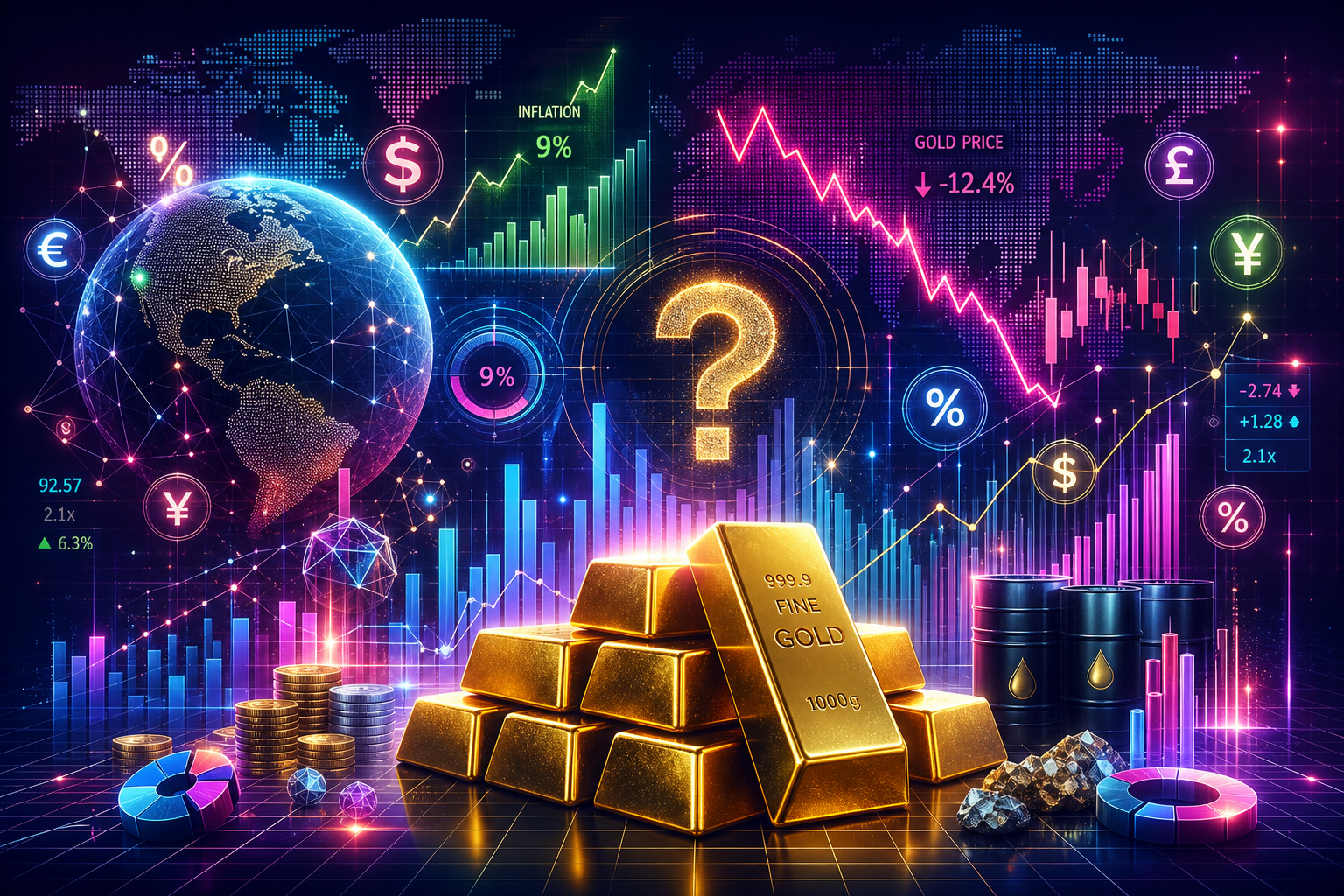
Historically, gold has been the go-to asset for investors seeking refuge from inflation. As a tangible commodity, it has long been regarded as a safe store of value, especially in times of economic uncertainty. However, recent developments in 2023 have raised questions about gold's effectiveness as an inflation hedge. As inflation rates have surged, many investors have found themselves perplexed by gold's declining prices. The current landscape requires a closer examination of the dynamics at play between gold, inflation, and interest rates, and how they may shape the future of this precious metal.
The Historical Context of Gold as an Inflation Hedge
Gold's reputation as a reliable inflation hedge dates back centuries. In various cultures, gold has been used as a medium of exchange and a store of value. Its intrinsic value, scarcity, and durability make it a desirable asset, particularly during economic downturns or periods of currency devaluation. The rationale behind investing in gold during inflationary times is straightforward: as the purchasing power of fiat currencies declines, the value of gold typically remains stable or even appreciates.
Recent Performance: A Surprising Trend
Despite these historical underpinnings, the reality in 2023 is more complicated. Throughout much of the year, inflation rates in the U.S. escalated, fueled in part by geopolitical tensions, such as the Iran conflict, which has contributed to rising energy prices and supply chain disruptions. However, during this same period, gold prices have not reflected the expected protective qualities investors have come to rely on.
For instance, between February 27, 2023—the day before the outbreak of hostilities in Iran—and June 10, 2023, the price of gold plummeted by approximately 23%. This decline occurred even as annualized U.S. Consumer Price Index (CPI) inflation surged from 2.7% to 4.2%. Joseph Greif, an investment director at Evelyn Partners, noted that while gold remained up 6% year-to-date as of May, its performance was uncomfortable for investors expecting it to serve as an immediate protective measure for their portfolios.
The Impact of Rising Interest Rates
One of the critical factors influencing gold prices is interest rates, particularly those set by the U.S. Federal Reserve. Gold does not generate interest or dividends, making it less appealing when interest rates rise. When interest rates are low, gold's opportunity cost is minimal, allowing it to flourish as a safe haven. However, as inflationary pressures mount and the Federal Reserve signals potential interest rate hikes, the allure of gold diminishes.
The turning point for gold prices in early 2023 can be traced to former President Donald Trump nominating Kevin Warsh as the new chairman of the Federal Reserve. This decision shifted market expectations from a dovish monetary policy approach, which typically favors gold, to a more hawkish stance that anticipated rising interest rates. This shift in sentiment led to a sell-off in gold, as investors reallocated their portfolios in anticipation of a tightening monetary environment.
Liquidity and Market Behavior
Moreover, the behavior of investors during times of crisis often contradicts traditional expectations. Interestingly, during the onset of the Iran conflict, many investors who had previously profited from gold's rise began to liquidate their positions. According to Cosmo Sturge, director of market strategy at Baker Steel, this phenomenon occurs because investors often prioritize liquidity in times of uncertainty. When faced with changing economic forecasts and potential interest rate hikes, they may sell gold to secure profits rather than hold onto an asset that does not yield returns.
Will Gold Still Hedge Against Inflation?
Despite recent market trends, experts remain divided on gold's long-term viability as an inflation hedge. Many analysts still assert that gold retains a crucial role in investment portfolios, particularly as a protection against long-term inflation and economic instability.
Benoît Harger, a portfolio manager at J. Safra Sarasin, believes that gold's value will increase as interest rates eventually decline. This perspective hinges on the belief that the global economy cannot sustain high financing costs without triggering a recession. With public debt levels soaring and economic growth slowing, central banks may be forced to implement loose monetary policies, creating a favorable environment for gold.
Historical Comparisons: The 1980s Dilemma
To understand the current landscape, it is helpful to look back at historical precedents. In the early 1980s, the Federal Reserve raised interest rates to tackle rampant inflation, peaking at nearly 19%. During this period, gold prices fell sharply, dropping from around $650 in January 1980 to approximately $320 by mid-1982. Such drastic measures to combat inflation created significant economic upheaval, leading many to question whether similar strategies could be employed today.
Sturge raises an important point: the debt-to-GDP ratio today is significantly higher than in the early 1980s. While the Federal Reserve had the "firepower" to combat inflation through aggressive rate hikes back then, the current economic environment presents a different set of constraints. The increased money supply and persistent fiscal deficits complicate the potential for similar monetary policies.
The Future of Gold in Investment Portfolios
Despite the uncertainty surrounding gold's role as an inflation hedge, experts agree that a strategic allocation to gold can still provide protection against sovereign risk and currency devaluation. As the global economic landscape continues to evolve, the potential for financial repression—where governments maintain artificially low rates at the expense of savers—could further enhance gold's appeal.
Sturge emphasizes that gold serves as a long-term store of value, particularly in the context of persistent debt growth and currency debasement. While it may not exhibit explosive growth during short-term inflationary shocks, gold has historically protected purchasing power over longer periods.
Real-World Implications for Investors
For investors considering gold as part of their strategy, understanding the nuanced relationship between gold, inflation, and interest rates is crucial. The recent downturn in gold prices, juxtaposed with rising inflation, illustrates the complexities of the market. Investors should adopt a balanced perspective, weighing the advantages and limitations of gold as an asset class.
Key Considerations for Investors:
-
Diversification: Gold should be viewed as a component of a diversified portfolio rather than a standalone solution. A mix of assets can help mitigate risks associated with inflation and market volatility.
-
Long-Term Focus: Investors should maintain a long-term perspective when considering gold. While short-term fluctuations may be unsettling, historical trends suggest that gold can provide a safeguard against long-term inflationary pressures.
-
Market Conditions: Stay informed about macroeconomic indicators, including inflation rates and interest rate changes. Understanding the broader economic context can help investors make informed decisions about when to allocate to gold.
-
Alternative Assets: Explore other inflation-hedging assets such as real estate, commodities, or inflation-protected securities. These alternatives can complement a gold investment and provide additional layers of protection.
Conclusion: Navigating the Future of Gold
In conclusion, gold continues to occupy a unique position in the investment landscape as a hedge against inflation. However, the dynamics influencing its price have become increasingly complicated in the wake of recent economic developments. As inflation rises and interest rates fluctuate, investors must remain vigilant and adaptable in their approach to gold.
Despite the challenges faced in 2023, many experts believe that gold will ultimately retain its status as a valuable asset in the face of ongoing economic uncertainty. By understanding the historical context, current market conditions, and future implications, investors can make informed decisions about how best to leverage gold in their portfolios. Gold may not always be the immediate shield against inflation that many expect, but its long-term potential as a store of value remains strong amidst the ever-changing financial landscape.








No comments yet. Be the first to share your thoughts!