



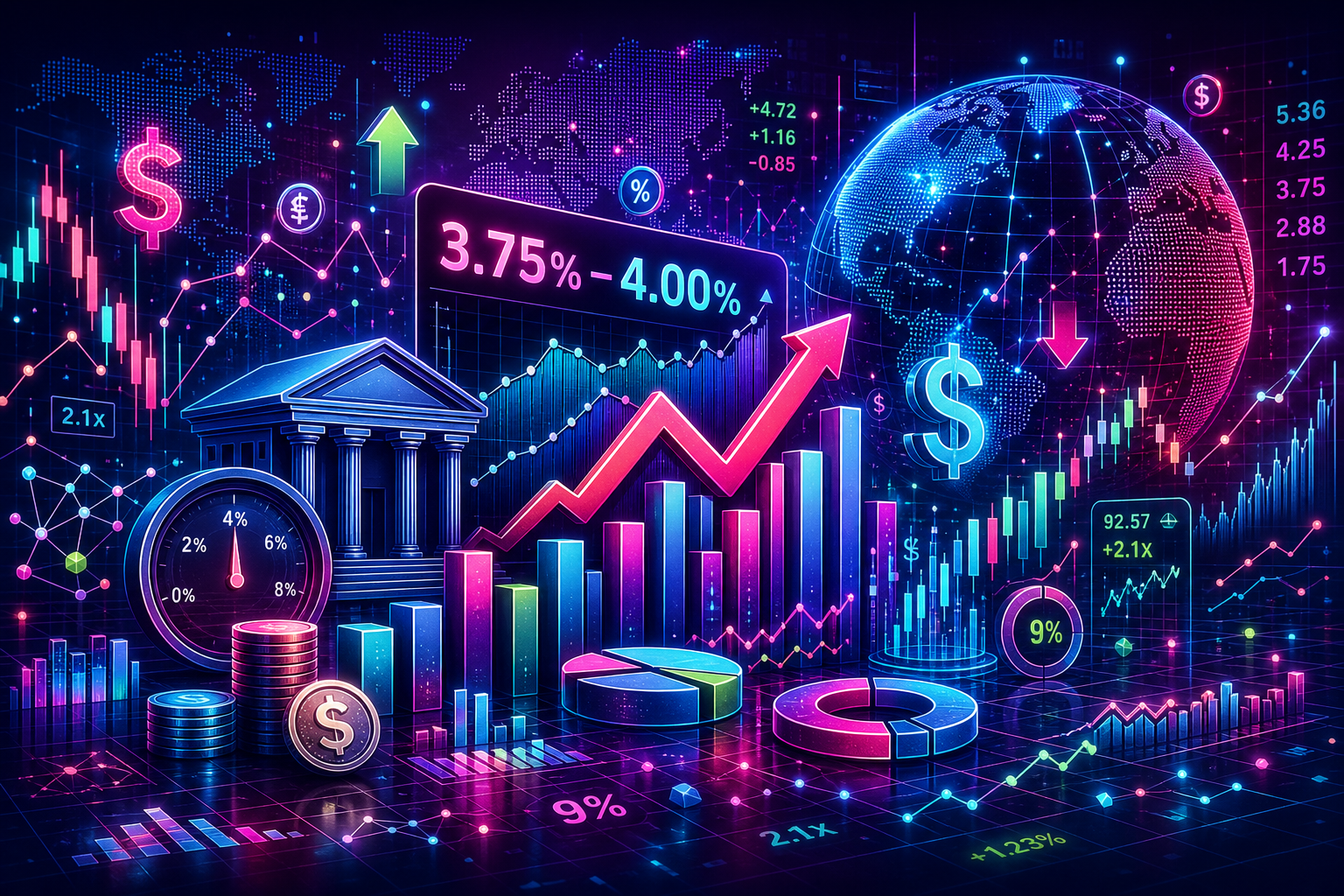
As of late September 2023, the financial landscape has shifted dramatically for savers and investors alike. The Federal Reserve has raised its benchmark interest rate for the first time since 2023, increasing it to a range of 3.75% to 4.00%. With the potential for more rate hikes in the near future, it’s crucial to understand how these changes can impact your financial health and where you should consider placing your cash.
Why Interest Rates Matter
Interest rates play a pivotal role in the broader economy. When the Federal Reserve raises rates, it typically aims to control inflation and stabilize economic growth. Higher rates can lead to increased borrowing costs for consumers and businesses, which can slow down spending and investment. Conversely, higher rates can benefit savers, as they receive better returns on their deposits.
A key point to remember is that interest rates affect everything from mortgage rates to the returns on savings accounts. So, when the Fed makes a move like this, it’s a signal for individuals to reassess their financial strategies.
Are High-Yield Savings Accounts the Way to Go?
If your cash is currently sitting in a traditional savings account, earning a meager 0.37% APY, it might be time for a change. The landscape of high-yield savings accounts (HYSAs) has become increasingly attractive, with some accounts offering rates that are 10 to 12 times the national average.
What is a High-Yield Savings Account?
A high-yield savings account is similar to a traditional savings account but with significantly higher interest rates. These accounts are typically offered by online banks or credit unions and are insured by the FDIC, meaning your money is protected up to $250,000.
Benefits of HYSAs include:
- Higher Interest Rates: Many offer rates of 3.00% APY or higher.
- Accessibility: You maintain easy access to your funds.
- FDIC Insurance: Your deposits are insured, reducing risk.
Real-World Example
Imagine you have $10,000 in your savings account. At a traditional bank earning 0.37% APY, you would earn approximately $37 annually. However, if you moved that money into a high-yield savings account with an interest rate of 3.50% APY, you’d earn around $350 a year. For a balance of $20,000, the difference becomes even more pronounced, yielding about $700 in interest.
When Should You Consider a Certificate of Deposit (CD)?
You might wonder if now is a good time to lock in some returns with a Certificate of Deposit (CD). The short answer? Probably not.
Understanding CDs
A CD allows you to lock in an interest rate for a specified term—typically ranging from a few months to several years. While this can provide a guaranteed return, it also comes with limitations. Should you need your cash before the term ends, you may face early withdrawal penalties.
Why Now May Not Be the Time for a CD
- Rising Rates: With rates expected to climb further, locking in a lower rate now could be disadvantageous.
- Liquidity Concerns: If you anticipate needing access to your cash, a CD could restrict your financial flexibility.
Instead of rushing into a CD, consider if there might be other, more advantageous options available in the near future as rates continue to evolve.
Investing Strategies in a Rising Rate Environment
As rates rise, many investors may feel compelled to adjust their portfolios. However, it’s essential to approach these changes with caution.
Do Not Overreact
A quarter-point rate hike should not prompt you to buy or sell investments hastily. The effects of interest rate changes permeate the economy gradually, and reacting to a single Fed decision could lead to poor financial choices.
Key takeaways include:
- Stay the Course: Maintain your long-term investment strategies.
- Avoid Emotional Decisions: Letting short-term changes dictate your investment moves can lead to unnecessary costs and risks.
Focus on Your Savings
While it’s crucial to keep your investment strategy on autopilot, your short-term savings should be your priority. With rising rates, now is an excellent time to move your cash to a better yield account without any downsides.
The Broader Economic Implications
The Fed's decisions on interest rates can send ripples through the economy, affecting everything from consumer spending to business investment. Higher interest rates can lead to:
- Increased Borrowing Costs: This can slow down consumer spending, affecting sectors like housing and automotive.
- Potential Slowdown in Economic Growth: If borrowing becomes more expensive, businesses may hesitate to invest in expansion, which can affect job growth.
Balancing Your Financial Portfolio
As you navigate these changes, it’s essential to maintain a balanced approach to your financial portfolio. Here are some strategies to consider:
- Diversify Your Investments: Don’t put all your eggs in one basket. Ensure your portfolio includes a mix of assets.
- Reassess Your Risk Tolerance: As interest rates rise, some investments may become riskier. Adjust your portfolio accordingly based on your comfort level with risk.
- Consult a Financial Advisor: If you’re uncertain about how to proceed, seeking professional advice can provide clarity and help you make informed decisions.
Conclusion
In conclusion, the recent interest rate hike presents both challenges and opportunities for savers and investors. If your cash is sitting in a low-interest account, consider moving to a high-yield savings account to maximize your returns. While locking in a CD might seem appealing, the potential for further rate increases suggests that waiting could be more beneficial.
Ultimately, keeping a level head amidst these changes is vital. Focus on your savings strategy, avoid reacting impulsively to market fluctuations, and ensure your financial portfolio remains diversified and aligned with your long-term goals. With the right approach, you can navigate this evolving financial landscape effectively.







No comments yet. Be the first to share your thoughts!