





Introduction: A New Financial Era for El Salvador
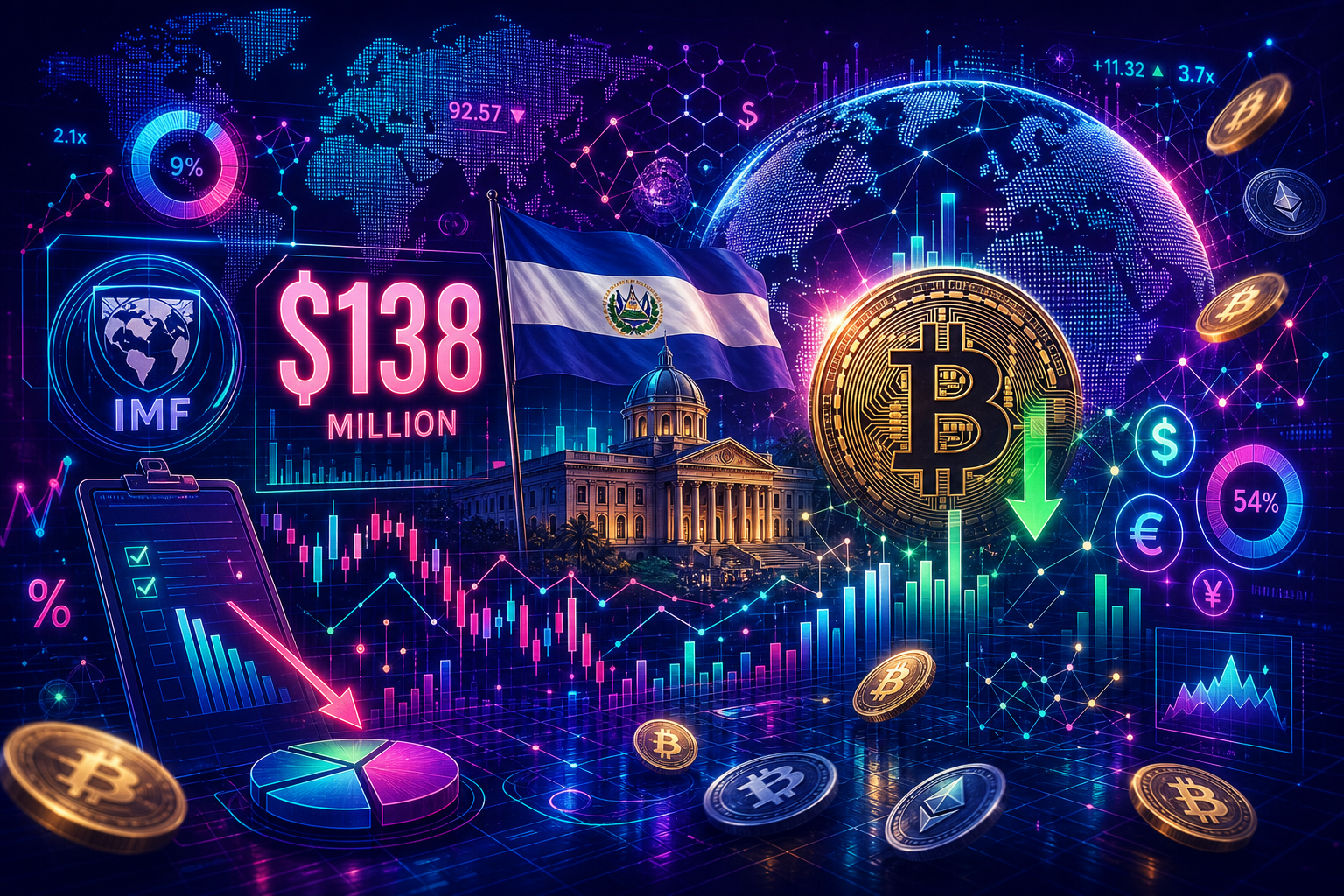
In a noteworthy development for cryptocurrency and international finance, the International Monetary Fund (IMF) has approved a $138 million loan for El Salvador. This approval comes with specific stipulations regarding the country’s controversial adoption of Bitcoin as legal tender. For a nation that made headlines in 2021 by becoming the first to officially recognize Bitcoin, this latest agreement marks a pivotal moment in its financial journey.
Background: El Salvador's Unique Bitcoin Experiment
In September 2021, El Salvador made history by becoming the first country to adopt Bitcoin as legal tender. President Nayib Bukele championed this bold move, arguing that it would increase financial inclusion for the unbanked population and attract foreign investment. Through the government’s digital wallet, Chivo, residents could transact in Bitcoin, and the government even offered incentives such as $30 in Bitcoin for new users.
However, the experiment faced significant challenges. The volatility of Bitcoin prices led to substantial losses for the country, and skepticism arose both domestically and internationally. Public protests and criticism from various sectors, including economists and financial analysts, highlighted the risks associated with such a radical monetary policy.
The IMF's Conditional Approval: A Closer Look
The recent approval from the IMF is not without strings attached. The fund has made it clear that it expects no further accumulation of Bitcoin by the Salvadoran state beyond existing documented donations. Additionally, the IMF aims to ensure that El Salvador unwinds its remaining exposure to Bitcoin, particularly concerning the Chivo wallet initiative.
These stipulations underscore the IMF's cautious approach to cryptocurrency, seeking to mitigate risks associated with financial instability and potential defaults. For El Salvador, which has faced economic challenges exacerbated by the pandemic, the loan represents a crucial lifeline. However, it also highlights the tension between national policy and international financial norms.
Implications for El Salvador's Economic Future
The IMF's decision to provide financial support can be interpreted through several lenses. On one hand, the loan signifies a recognition of the necessity for financial stability in El Salvador, particularly as the country grapples with a debt crisis and economic recovery post-COVID-19. On the other hand, the conditions imposed by the IMF reflect a broader skepticism towards the viability of Bitcoin as a stable financial asset.
Potential Economic Benefits
-
Increased Financial Stability: The $138 million can help stabilize El Salvador’s economy by providing essential funds for public services and infrastructure.
-
Debt Management: The funds could be used to manage existing debts and obligations, alleviating immediate financial pressures.
-
Investor Confidence: A partnership with the IMF may enhance investor confidence, potentially paving the way for future investments in sectors beyond cryptocurrency.
Risks and Challenges
-
Market Volatility: Continued exposure to Bitcoin, if not unwound, could lead to further financial instability, especially if cryptocurrency markets experience downturns.
-
Public Sentiment: As public opinion shifts due to the mixed results of the Bitcoin experiment, the government may face increased scrutiny and protests.
-
Dependence on External Funds: Relying on loans from international institutions may create a cycle of dependency, hindering long-term economic autonomy.
Real-World Examples: Lessons from Other Nations
El Salvador's experience with Bitcoin is not unique; other nations have also explored or adopted cryptocurrency in various forms. For instance, Venezuela's Petro was introduced as a state-backed cryptocurrency aimed at circumventing U.S. sanctions. However, it has struggled to gain traction and acceptance, raising doubts about the effectiveness of such initiatives.
Similarly, countries like China have taken a different approach by exploring Central Bank Digital Currencies (CBDCs), focusing on state control and regulatory frameworks rather than decentralized cryptocurrencies like Bitcoin. These contrasting strategies illustrate the complexities of integrating digital currencies into national economies.
A Balanced Perspective: The Future of Bitcoin in El Salvador
As El Salvador navigates the implications of its Bitcoin policy under the watchful eye of the IMF, the future remains uncertain. The government's efforts to unwind its Bitcoin exposure may signal a shift in strategy, seeking to balance innovation with fiscal responsibility.
Supporters of Bitcoin argue that it offers a revolutionary alternative to traditional banking, potentially fostering economic growth and technological advancement. Enthusiasts believe that with the right regulations and frameworks, Bitcoin could integrate smoothly into the global economy.
Critics, however, point to the inherent risks of cryptocurrencies, including volatility and regulatory challenges. They advocate for a more cautious approach, suggesting that the government focus on strengthening its fiscal policies and economic fundamentals rather than pursuing high-risk assets like Bitcoin.
Conclusion: What Lies Ahead for El Salvador
The IMF's approval of $138 million for El Salvador represents a significant chapter in the ongoing saga of cryptocurrency adoption and regulation. As the country attempts to reconcile its bold Bitcoin experiment with the realities of economic management, the implications of this financial partnership will likely resonate far beyond its borders.
In the coming months, all eyes will be on El Salvador as it navigates the delicate balance between innovation and stability. The path forward will not only shape the nation’s economic landscape but will also serve as a case study for other countries considering similar ventures into the world of cryptocurrency. As the global conversation around digital currencies evolves, El Salvador's experience may provide valuable insights for policymakers and financial institutions worldwide.
The outcome of this remarkable intersection of traditional finance and cryptocurrency will undoubtedly be watched closely as we move deeper into the digital age. Will El Salvador emerge as a pioneer of Bitcoin integration, or will it serve as a cautionary tale? Only time will tell.








No comments yet. Be the first to share your thoughts!