




Introduction: A Year of Shifting Fortunes
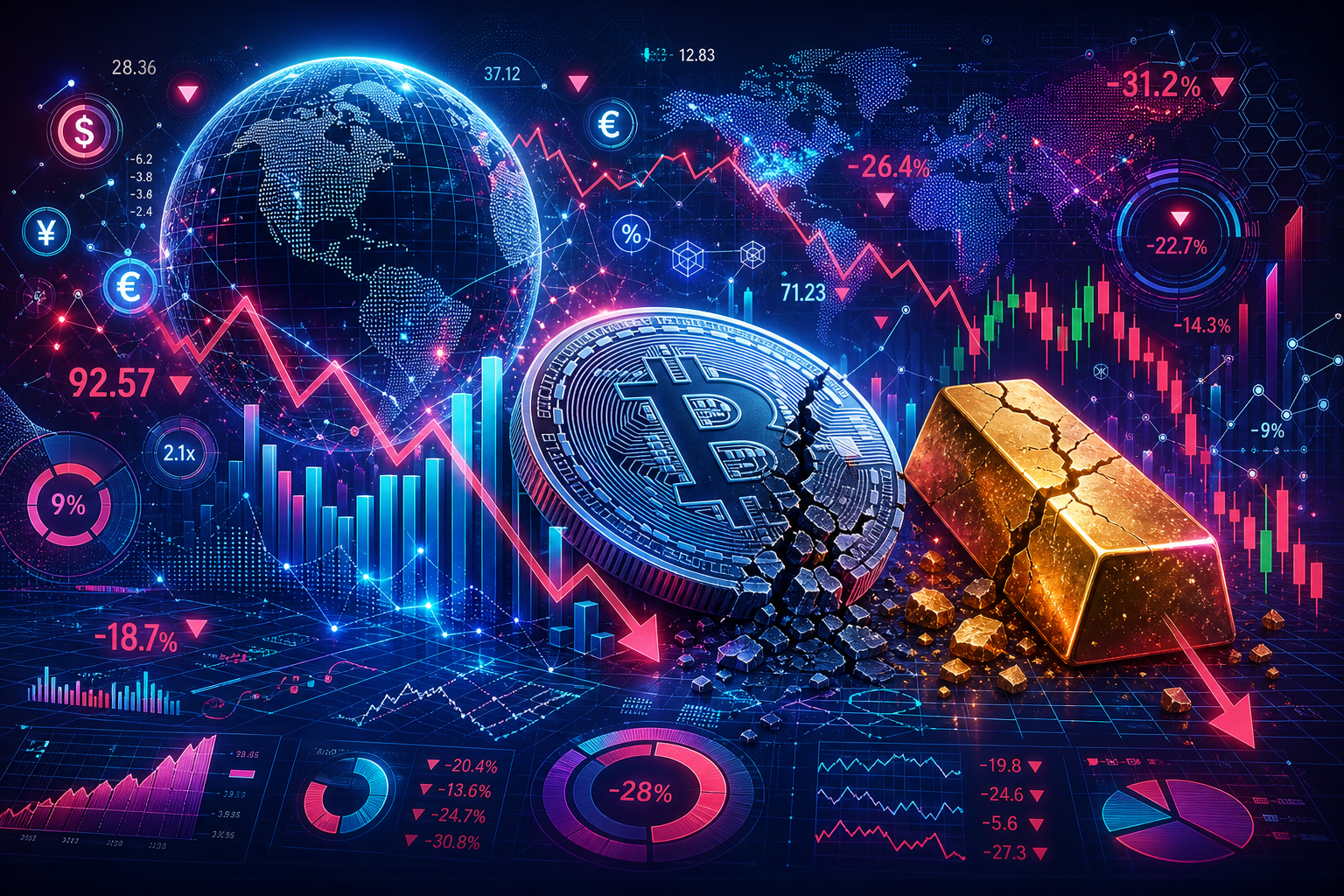
As 2026 unfolds, market analysts and investors are grappling with a surprising twist: Bitcoin and gold, traditionally viewed as safe havens, have become the worst-performing major asset classes. Data compiled by Charlie Bilello, Chief Market Strategist at Creative Planning, reveals that by late October, gold's value had dropped by 7.5% year-to-date, while Bitcoin (BTC) followed closely with a 7.3% loss. Since then, the situation has deteriorated further, with both assets now exhibiting losses of 10% and over 11% respectively. This unprecedented scenario marks the first time since 2011 that both gold and Bitcoin have simultaneously occupied the bottom positions of Bilello's annual asset rankings.
A Closer Look at the Numbers
Bilello's analysis paints a stark picture of the current investment landscape. As gold and Bitcoin struggle, other asset classes are thriving. For instance:
- Commodities have surged more than 50% this year.
- U.S. large-cap stocks have shown resilience with over 12% gains.
- Even short-term Treasury bills have returned nearly 3%.
These contrasting trends highlight a significant shift in investor sentiment and economic conditions.
The Rollercoaster Ride of Gold
Gold has experienced a dramatic rollercoaster ride in 2026. The precious metal, which soared 64% in 2025 and reached an all-time high of $5,500 per ounce in late January, has since plummeted, dipping below $4,000 at one point. Such volatility raises questions about the underlying factors influencing gold's performance.
Earlier this year, gold benefited from concerns surrounding U.S. debt levels, a weakening dollar, and inflation fears, leading to a significant rally. However, as inflationary pressures have mounted and oil prices have surged, the narrative surrounding gold has shifted. A recent 4% drop in gold prices reflects a growing focus on energy costs and their inflationary implications, overshadowing the metal's traditional safe-haven appeal.
The Bitcoin Conundrum
Bitcoin's trajectory has been equally tumultuous. From an all-time high of $126,000 in 2025, BTC saw a decline to under $58,000 before staging a comeback to $87,000. Yet, the cryptocurrency has retraced to approximately $80,000, marking a 35% decline since its peak.
Bitcoin's struggles can be attributed to a shifting macroeconomic environment. The once-favorable conditions that fueled Bitcoin's rise, such as fears of currency debasement and inflation, are now being overshadowed by concerns over tighter monetary policy and rising interest rates. Investors are becoming increasingly cautious, opting for cash and government debt, which offer relatively attractive returns compared to non-yielding assets like Bitcoin.
The Impact of Higher Oil Prices
One of the significant catalysts for the decline in both gold and Bitcoin is the resurgence of oil prices. As oil prices rise, the cost of living increases, leading to greater inflation concerns. This environment prompts central banks, including the Federal Reserve, to consider tightening monetary policy.
Gold, which typically serves as a hedge against inflation, has struggled to maintain its appeal in the face of these rising costs. ING pointed out that investors have become more focused on inflationary implications stemming from expensive energy, rather than seeking refuge in gold. This shift highlights the interconnectedness of various asset classes and how external factors can significantly influence investor decisions.
Broader Implications for Investors
The simultaneous decline of Bitcoin and gold has broader implications for investors. Traditionally, both assets have been viewed as safe havens during periods of economic uncertainty and inflation. However, the current market conditions challenge this narrative, prompting investors to reassess their strategies.
- Diversification is Key: The performance of gold and Bitcoin serves as a reminder of the importance of diversifying investment portfolios. Relying solely on a few asset classes can lead to significant losses, especially in volatile markets.
- Understanding Market Dynamics: Investors must stay attuned to macroeconomic trends, including inflation, interest rates, and commodity prices. Such factors can profoundly influence the performance of various asset classes, including perceived safe havens like gold and Bitcoin.
- Long-Term Perspectives: While short-term volatility can be unsettling, it is crucial for investors to maintain a long-term perspective. Historically, both gold and Bitcoin have demonstrated resilience and growth over extended periods, though their trajectories can be unpredictable in the short term.
A Historical Context
To fully grasp the significance of the current situation, it's essential to look back at the historical performance of both assets. Since 2011, Bitcoin has delivered an impressive 120.6% annualized return, while gold has lagged with gains of only 6.3% during the same period. This long-term perspective highlights Bitcoin's potential as a growth asset, despite its recent struggles.
Conclusion: The Road Ahead
As 2026 unfolds, the decline of Bitcoin and gold presents both challenges and opportunities for investors. While these assets have faced significant headwinds, the long-term outlook remains complex. Understanding the interplay of macroeconomic factors and market sentiment will be crucial for navigating the evolving landscape.
Investors should remain vigilant, considering diversification and staying informed about broader economic trends. As history has shown, both gold and Bitcoin have the potential to rebound, but they may require a shift in investor sentiment and market conditions to regain their footing.
In this dynamic environment, the only constant is change. Whether gold and Bitcoin can reclaim their status as favored assets in the face of rising oil prices and tightening monetary policy remains to be seen. For now, investors must adapt to the realities of a market in flux, ensuring their strategies are flexible and responsive to evolving circumstances.








No comments yet. Be the first to share your thoughts!