




Understanding the Inflation Surge
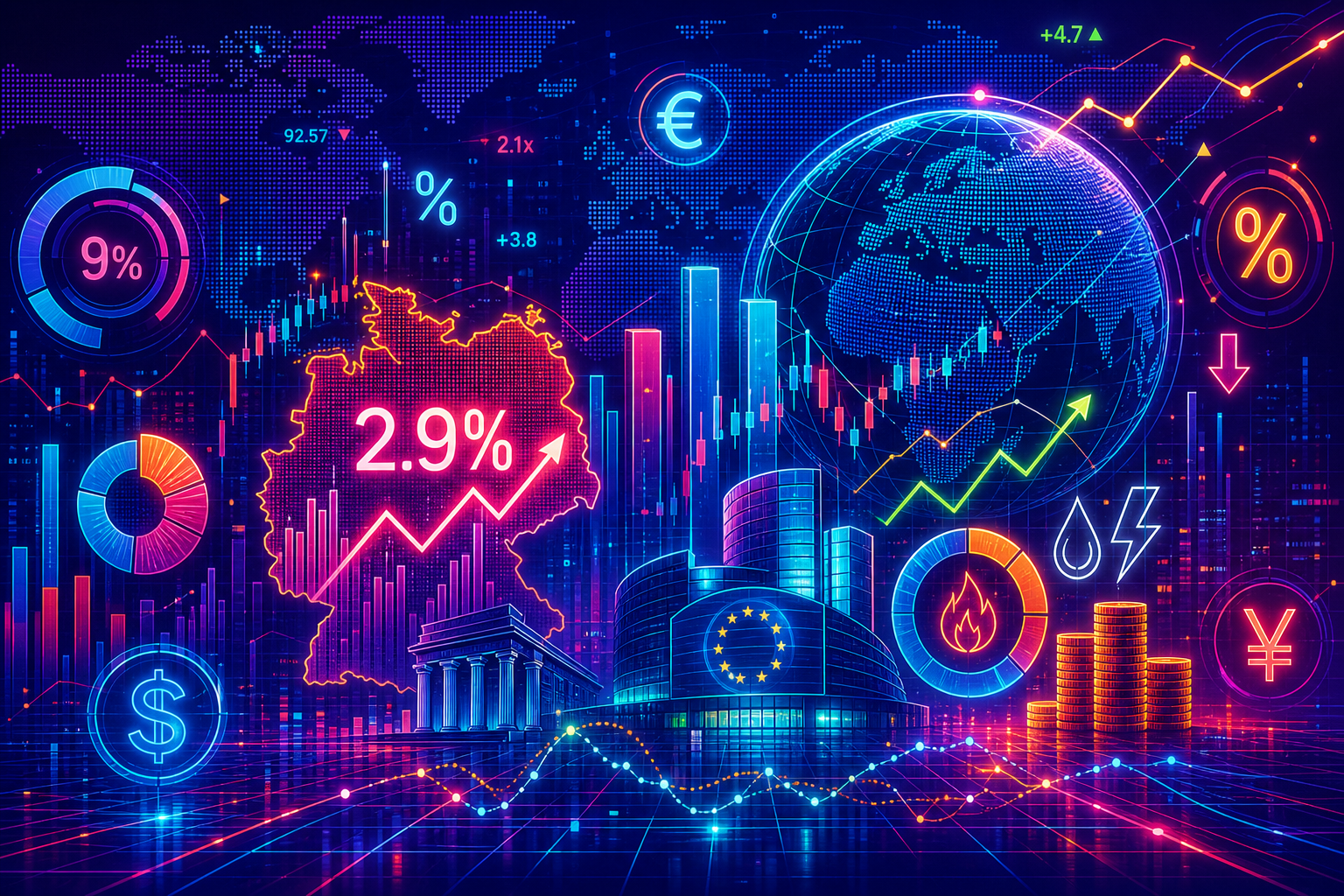
Germany, Europe’s largest economy, has recently reported a modest increase in inflation, with the headline rate climbing to 2.9% year-on-year in August, up from 2.8% in July. This uptick, while seemingly small, carries significant implications for the European Central Bank (ECB) and the overall economic landscape of the Eurozone.
The Driving Force: Energy Prices
The primary catalyst for this inflationary surge has been the rise in energy prices. As global energy markets fluctuate, the effects are felt acutely in Germany, where energy costs play a critical role in determining the overall inflation rate. The recent increase in oil and gas prices is attributed to several geopolitical and market dynamics, including:
- OPEC+ production cuts: OPEC+ countries have strategically limited oil production to stabilize prices amidst fluctuating demand.
- Geopolitical tensions: Ongoing conflicts and sanctions affecting energy-rich regions have led to supply chain disruptions.
- Increased demand: As the global economy continues to recover from the pandemic, demand for energy has surged, driving prices higher.
The Broader Inflation Picture in Europe
The Eurozone as a whole mirrors Germany's inflation trajectory, with the European inflation measure also registering 2.9% year-on-year. This consistency highlights a broader trend affecting member states and indicates that inflationary pressures are not isolated to Germany alone.
For the ECB, this presents a complex challenge. The bank must balance the need to support economic recovery while also addressing rising inflation, which can erode purchasing power and savings.
The ECB's Dilemma: To Raise or Not to Raise Rates?
As the ECB prepares for its upcoming meeting, the question on everyone’s mind is whether the central bank will opt for another rate hike. Rising inflation typically necessitates an increase in interest rates to cool down the economy and rein in consumer spending. However, this decision is fraught with challenges.
Potential Outcomes of a Rate Hike
If the ECB chooses to raise rates, several potential outcomes could emerge:
- Slower economic growth: Higher interest rates can lead to reduced borrowing and spending, potentially stunting growth.
- Stronger Euro: An increase in rates may boost the Euro's value, impacting exports negatively as European goods become more expensive for international buyers.
- Inflation containment: Conversely, higher rates could effectively curb inflation, stabilizing prices in the long run.
Historical Context: Lessons from Past Rate Hikes
Looking back, the ECB has a history of navigating inflationary pressures. For example, in the aftermath of the financial crisis in 2008, the ECB maintained low rates to stimulate growth. However, as inflation began to creep up in subsequent years, the central bank was forced to recalibrate its strategy.
One notable case was in 2011, when the ECB raised rates to combat rising inflation. This move was met with mixed results, as it slowed down economic recovery in several member states. Central banks must consider the economic environment and external factors when making such decisions.
What This Means for Consumers and Businesses
The implications of rising inflation and potential interest rate hikes extend beyond just the financial markets; they affect everyday consumers and businesses alike.
For Consumers
- Increased Cost of Living: As inflation rises, the cost of goods and services may increase, impacting household budgets.
- Potential for Higher Loan Costs: If the ECB raises rates, borrowing costs for mortgages, personal loans, and credit cards could rise, affecting consumer spending.
- Savings Impact: While higher interest rates could benefit savers, the immediate effects of inflation eroding purchasing power can offset these gains.
For Businesses
- Pricing Strategies: Businesses may need to adjust pricing strategies to account for rising costs, which could lead to consumer pushback.
- Investment Decisions: Higher interest rates might deter investment in expansion or innovation, as borrowing becomes more expensive.
- Supply Chain Adjustments: With rising energy costs, businesses will need to reevaluate their supply chains to mitigate increased operational costs.
Looking Ahead: The Global Economic Landscape
Germany's inflation and the ECB's response are part of a larger narrative affecting the global economy. As central banks worldwide grapple with inflation, they are also dealing with the lingering effects of the pandemic and geopolitical uncertainties.
Global Inflation Trends
Countries like the United States and the United Kingdom are also experiencing rising inflation, prompting their respective central banks to consider similar measures. In the U.S., for instance, the Federal Reserve has already implemented multiple rate hikes in response to inflation rates reaching over 8% earlier this year.
The Interconnected Nature of Modern Economies
The interconnectedness of the global economy means that decisions made by the ECB will have ripple effects beyond Europe. For example, a stronger Euro could impact trade balances and foreign exchange markets, influencing economies worldwide.
Conclusion: A Balancing Act for the ECB
As inflation edges upward in Germany and across Europe, the ECB faces a critical juncture. The decision to raise interest rates is not merely a question of curbing inflation; it also involves careful consideration of the broader economic landscape, consumer behavior, and the potential impact on growth.
The upcoming ECB meeting will be pivotal, not just for the Eurozone, but for global markets as well. As consumers and businesses brace for possible changes, the financial world will be watching closely to see how the ECB navigates this complex landscape of rising inflation and economic recovery.
In these uncertain times, staying informed and adaptable will be key for all stakeholders as the implications of inflation continue to unfold.








No comments yet. Be the first to share your thoughts!