





Understanding the Current Economic Landscape
As we navigate through the latter part of 2023, the impact of rising fuel prices has become increasingly pronounced. Unlike earlier surges in fuel costs, which many consumers and businesses managed to absorb, the latest spike has forced a reckoning. With inflation metrics revealing that rising prices are spilling over into various sectors beyond just energy, the situation warrants a closer look.
The average price of diesel fuel has surged to $6.30 per gallon, reflecting a staggering 68% increase since the onset of conflicts in the Middle East, notably the recent resurgence of tensions in Iran. This foundational change in fuel pricing is not merely an inconvenience for drivers; it’s a critical issue for industries reliant on diesel for manufacturing, farming, and transportation. The implications of these rising costs are reverberating across the economy, affecting everything from retail prices to consumer spending habits.
The Inflationary Ripple Effect
Recent data from the U.S. Department of Labor’s Consumer Price Index (CPI) has shown that core inflation rose to 2.6% in September, a jump from 2.4% in August. This increase indicates that businesses are starting to pass on rising costs to consumers. A recent retail sales report further supports this observation, revealing that core spending outside of gas stations rose by just 0.2% as consumers faced mounting pressures from high fuel prices.
The Federal Reserve's Beige Book, a comprehensive survey of economic conditions across the nation, has highlighted several alarming trends linked to rising fuel costs. Businesses across various sectors have reported an increase in fuel surcharges, with profit margins shrinking as consumers pull back on spending to offset the higher costs at the pump.
Real-World Examples: The Grocery Chain Dilemma
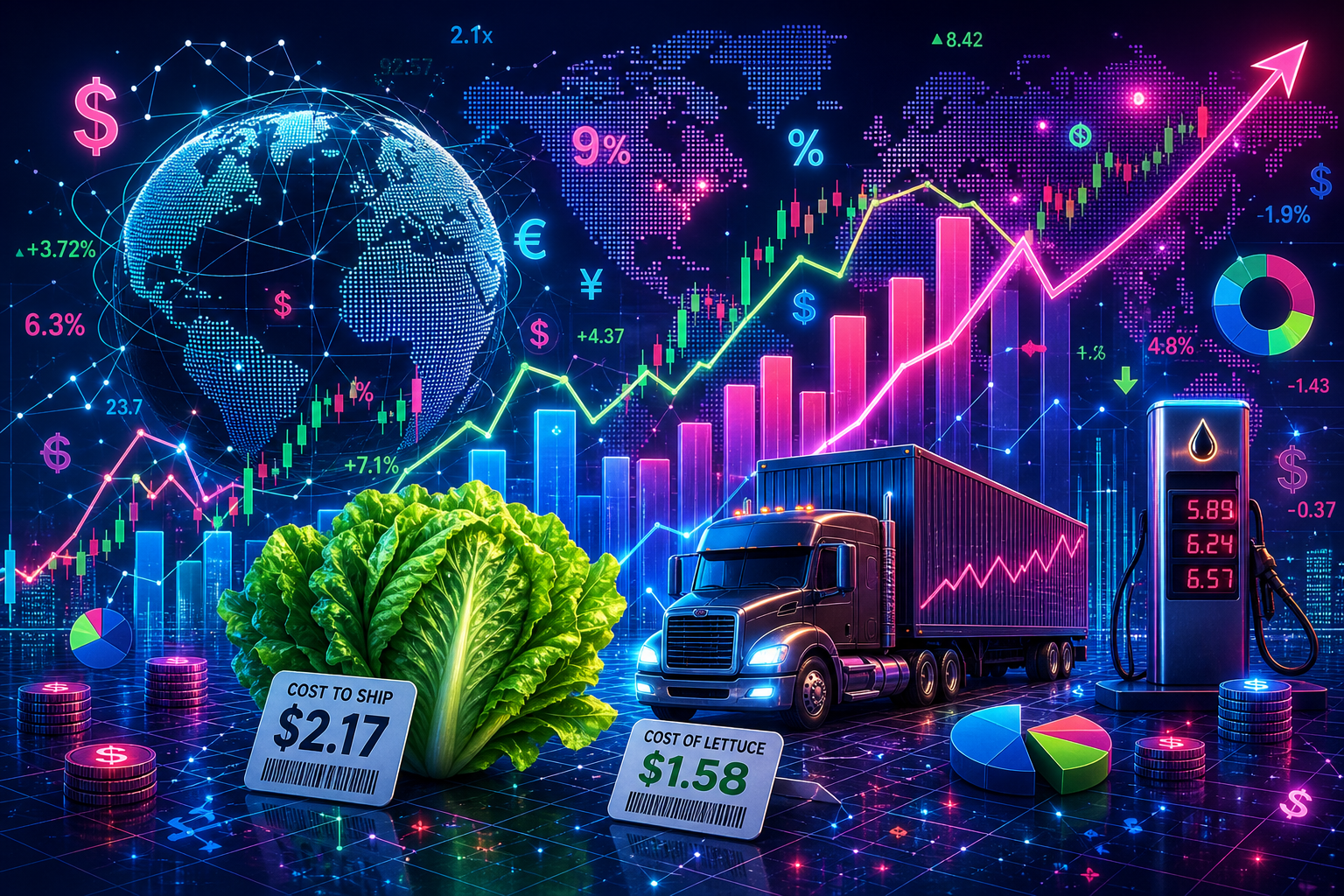
Perhaps the most striking example of this phenomenon comes from a regional grocery chain that reported it now pays more to transport a head of lettuce from California than the cost of the lettuce itself. This stark reality illustrates how the increased cost of shipping—driven largely by high diesel prices—can drastically alter pricing structures in everyday goods.
This grocery chain, like many others, is grappling with extreme price sensitivity among consumers. As shoppers notice the rising costs, they become more reluctant to purchase items perceived as overpriced—even if the increase is due to external factors like shipping. The inability to pass along these transportation costs without risking a loss of customers poses a significant challenge for retailers.
Sector-Wide Impacts: A Broader Perspective
The issues stemming from high fuel prices are not confined to the grocery industry. Across the board, manufacturers are experiencing similar challenges. The New York Fed reported a food manufacturer expressing concern about broad-based inflationary pressures not seen since the pandemic. The San Francisco Fed cited a manufacturer complaining that every material purchased recently included a freight surcharge, indicating that the impacts of rising fuel prices are pervasive.
Additionally, the Philadelphia Fed noted that while existing trucking contracts helped to stabilize produce prices temporarily, renegotiations could lead to significant cost increases. The Cleveland Fed emphasized that higher fuel costs were the dominant driver of rising prices, affecting freight, packaging, and materials derived from petroleum. One builder even referred to the combination of high fuel costs and tariffs as a “double whammy,” underscoring the multifaceted nature of the current economic strain.
Consumer Sentiment and Spending Trends
The impact of rising diesel prices is also reflected in consumer sentiment. In regions covered by the Cleveland Fed, consumer spending remained flat after several periods of decline, with retailers across various sectors attributing sluggish activity to high fuel prices. Notably, while many districts reported little change in consumer spending, the Richmond Fed observed moderate growth, suggesting that regional differences in economic health are becoming more pronounced.
Trucking companies, while charging more to cover rising costs, are also feeling the squeeze. Many have struggled to maintain profitability as fuel prices rose after locking in contract rates. Some have resorted to drawing down savings or delaying maintenance on their fleets, further straining their operations.
Supply Chain Strains and Future Implications
The economic landscape is further complicated by supply chain issues exacerbated by high fuel prices. In rural Colorado, the Kansas City Fed reported intermittent diesel shortages at gas stations, leading some buyers to preemptively secure fuel shipments. This tension is likely to lead to further renegotiations of contract terms across various industries as businesses scramble to protect their profit margins.
The ripple effects of rising fuel costs are also making their way into the labor market. Workers are increasingly demanding higher wages to compensate for the escalating living costs associated with fuel and electricity. The Cleveland Fed noted that several businesses had to offer pay raises, particularly to offset growing expenses tied to transportation and basic living needs.
Balancing the Economic Equation
Despite the challenges, consumers have displayed surprising resilience in the face of rising costs. However, the absence of a financial cushion, such as tax refunds that were available earlier in the year, has made it more difficult for consumers to absorb these shocks. Michael Pearce, Chief U.S. Economist at Oxford Economics, noted that the cumulative additional spending on gasoline has now outweighed the increase in tax refunds from a year ago.
As high gas prices continue to bite, experts suggest that consumers have fewer buffers to absorb these increased costs. This reality raises significant concerns about future consumer spending and economic growth. If fuel prices remain elevated, businesses may need to consider strategic adjustments, including reevaluating pricing strategies or finding alternative supply chain solutions to mitigate the impact of rising costs.
Conclusion: A Call to Adapt
The current economic climate, marked by soaring fuel prices and subsequent inflationary pressures, poses significant challenges to both consumers and businesses alike. As the cost of shipping essential goods like lettuce exceeds the price of the goods themselves, it reveals a troubling trend that could have far-reaching implications for the economy.
Moving forward, it will be crucial for businesses to adapt to these changing conditions. Whether through strategic pricing, supply chain innovation, or workforce adjustments, companies must be proactive in addressing the challenges posed by rising fuel costs.
As consumers become increasingly vigilant about pricing, and as inflationary pressures continue to mount, the need for a balanced, responsive approach to these economic realities has never been more critical. The question now is how effectively businesses and consumers can navigate this new landscape without further straining our economic fabric.








No comments yet. Be the first to share your thoughts!