




Fed Chairman Kevin Warsh Testifies: A Crucial Moment for U.S. Monetary Policy
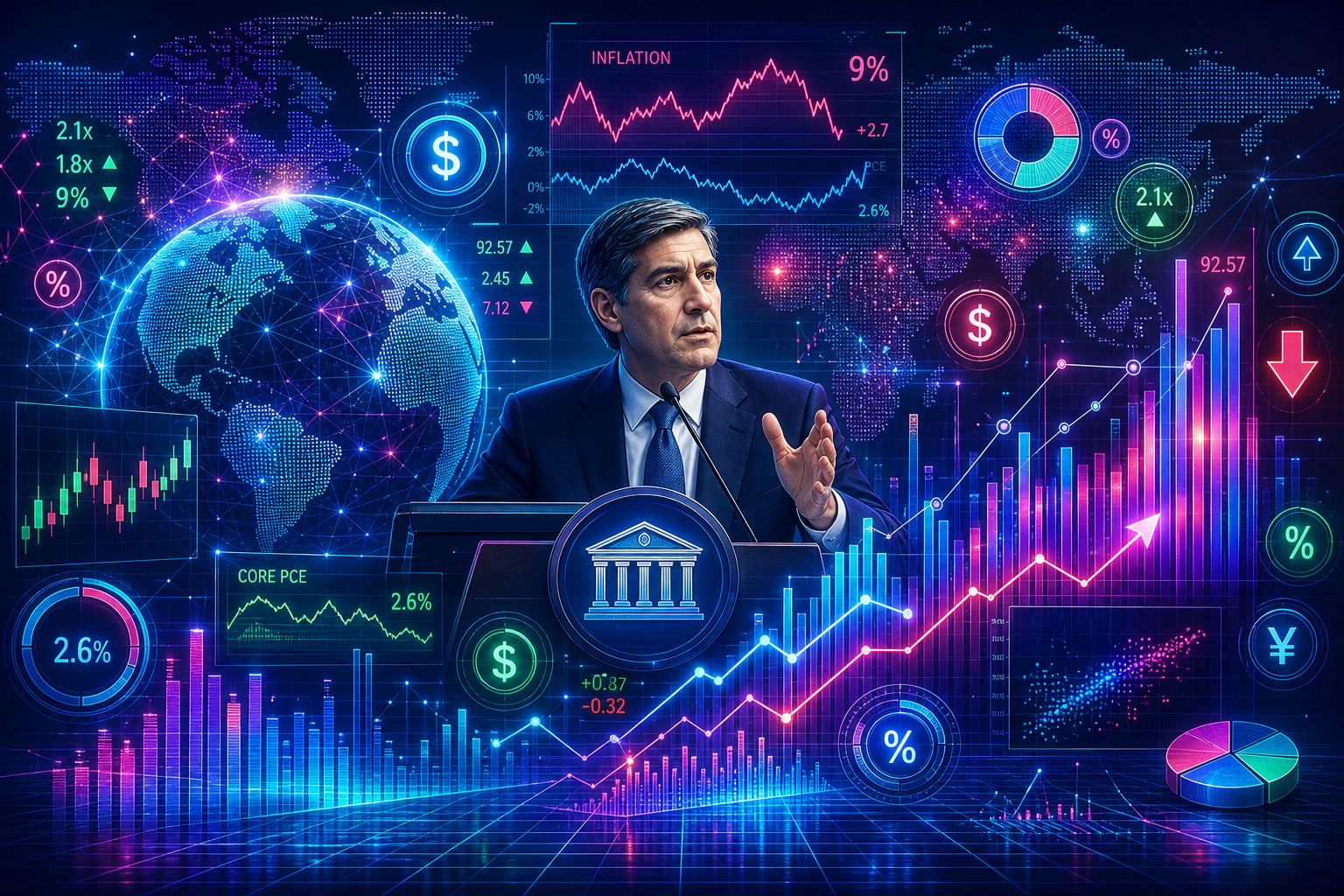
On Tuesday, Federal Reserve Chairman Kevin Warsh delivered a highly anticipated testimony before the House Financial Services Committee. This appearance was part of the Fed's semiannual monetary policy report, a critical event that often shapes market expectations and public sentiment regarding the U.S. economy. Warsh's testimony came at a particularly pivotal time, following the Bureau of Labor Statistics' unexpected announcement that consumer prices had dropped by 0.4% in June. This decline provided a momentary respite from inflationary pressures that have plagued the economy in recent months.
An Unexpected Shift: Consumer Prices Decline
The drop in consumer prices surprised many analysts and policymakers, who had largely anticipated ongoing inflationary trends. This figure marked an essential turning point, reflecting a potential easing of the inflationary spiral that has led to rising costs for goods and services across the board. According to the latest data, inflation rates have remained stubbornly high, prompting fears of an extended period of elevated prices that could impact consumers' purchasing power and overall economic growth.
The Implications of Falling Prices
Falling consumer prices can have multiple implications for both the economy and monetary policy:
- Consumer Confidence: A decline in prices can boost consumer confidence, encouraging spending and investment.
- Interest Rates: If inflation is perceived to be under control, the Fed may reconsider its approach to interest rates, potentially delaying hikes.
- Policy Direction: The unexpected drop may signal a need for reevaluation of the Fed's inflation-targeting strategy.
In his testimony, Warsh acknowledged the complexity of these dynamics, stating, “The members of our Committee have no tolerance for persistently elevated inflation. And we share a resolute commitment to restoring price stability.” This statement underscores the Fed's dual mandate: fostering maximum employment while maintaining stable prices.
Warsh's Commitment to Inflation Control
Warsh's remarks emphasized a vigilant approach to inflation control. He reaffirmed the Fed's objective of returning inflation to its 2% target, a benchmark that has been a cornerstone of U.S. monetary policy for years. The commitment to this target is not merely a number; it represents the Fed's broader strategy to foster economic stability and growth.
The Broader Economic Context
Inflation has been a significant concern for U.S. policymakers, particularly in light of supply chain disruptions, labor market challenges, and heightened consumer demand post-pandemic. The Federal Reserve has faced pressure to act decisively to mitigate these issues, leading to discussions about potential interest rate hikes. As of the latest meeting, Fed officials were reportedly divided on the direction of interest rates, with some advocating for increases to combat inflation while others expressed caution given the recent price drop.
Historical Context of Inflation Targeting
The 2% inflation target was formalized by the Federal Reserve in 2012, following lessons learned from previous economic downturns. Historically, periods of high inflation have often been followed by aggressive monetary tightening, which can lead to recessions. Warsh's commitment to this target is rooted in the belief that stable prices foster long-term economic growth and consumer confidence.
Navigating the Future: AI and Economic Growth
In addition to addressing inflation, Warsh highlighted the accelerating investment in artificial intelligence (AI) as a transformative force for the economy. The ongoing AI boom has the potential to reshape industries, create jobs, and enhance productivity. However, it also raises questions about the labor market's adaptability and the possible need for new regulatory frameworks.
The Promise of AI Investment
Investments in AI technology are expected to yield numerous benefits, including:
- Increased Efficiency: AI can streamline operations, reduce costs, and enhance productivity across sectors.
- Job Creation: While some jobs may be displaced, new roles in AI development and maintenance will emerge.
- Economic Growth: AI's potential to drive innovation may contribute to overall economic expansion.
Warsh's acknowledgment of these advancements signals a broader recognition within the Fed of the need to adapt monetary policy in response to technological changes. However, the intertwining of monetary policy and technological evolution presents both opportunities and challenges.
A Balanced Perspective on Fed Policy
While Warsh's testimony was largely optimistic, it is essential to consider the challenges that lie ahead. The Fed's role in managing inflation is complicated by various external factors, including geopolitical tensions, global supply chain issues, and domestic labor market dynamics.
Risks Ahead
- Persistently High Inflation: Despite the recent drop in prices, there is still a risk of inflation remaining above the target, necessitating continued vigilance from the Fed.
- Economic Slowdown: Aggressive monetary tightening could inadvertently lead to slower economic growth, increasing the risk of recession.
- Market Reactions: Financial markets are often sensitive to Fed signals, and misjudgments in policy direction can lead to volatility.
As Warsh navigates these complexities, his commitment to transparency and accountability will be crucial in maintaining public trust in the Fed's decision-making process.
Conclusion: The Road Ahead for Monetary Policy
Chairman Kevin Warsh's recent testimony before Congress underscored the critical balancing act facing the Federal Reserve as it grapples with inflation and the emerging opportunities presented by technological advancements. With consumer prices showing a surprising decline, there may be a window for the Fed to reassess its strategies while remaining focused on its long-term goals.
As the economic landscape continues to evolve, the Fed's responses must be agile and informed by both traditional economic indicators and the realities of a rapidly changing technological environment. The commitment to restoring price stability remains at the forefront of Warsh's agenda, and how effectively the Fed navigates these challenges will have significant implications for the broader U.S. economy in the months and years to come.
In this rapidly changing environment, the Fed’s actions will be closely watched, and their impacts will resonate far beyond the confines of the financial markets, affecting everyday Americans navigating their economic realities.








No comments yet. Be the first to share your thoughts!