





Ecuador's Shrimp Exports Surge Past Oil: A New Era for Aquaculture
Introduction: A Shift in Ecuador's Economic Landscape
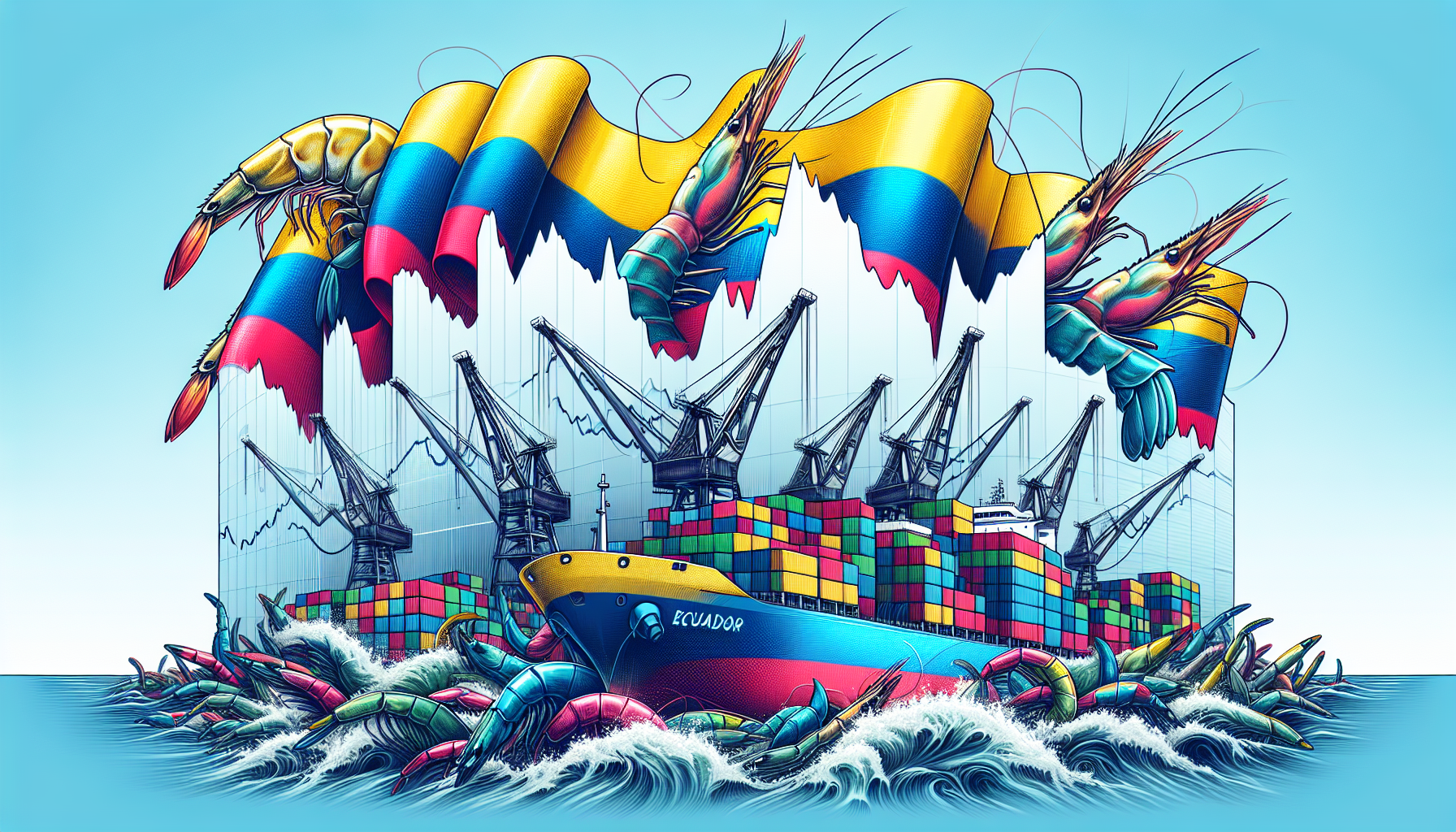
Ecuador is often celebrated for its rich biodiversity and stunning landscapes. However, it is also a significant player in global commodities markets, particularly in the aquaculture sector. In a remarkable turn of events, Ecuador's shrimp exports have surged by 20% year-on-year, reaching an unprecedented $8.4 billion in 2025. This remarkable growth has allowed shrimp to dethrone oil as Ecuador's top export commodity, a shift that reflects broader changes in both international trade dynamics and domestic investment strategies.
This article delves into the factors driving this dramatic rebound in shrimp sales, the implications for Ecuador's economy, and the challenges that lie ahead as the industry navigates a complex global landscape.
The Road to Recovery: Key Drivers of Export Growth
Tariff Dynamics and Competitive Advantage
One of the most significant contributors to the growth of Ecuadorian shrimp exports has been the shifting landscape of tariffs and trade policies, particularly those implemented by the United States. Under the previous administration, tariffs imposed on Indian shrimp—a major competitor—created a temporary competitive advantage for Ecuador.
Jose Antonio Camposano, president of Ecuador’s Aquaculture Chamber, noted that while the impact of these tariffs was marginal, it nonetheless provided a crucial boost to Ecuadorian exports, especially to the U.S. market. He stated, “It was a marginal effect because it only impacted the United States,” highlighting the importance of targeted market strategies.
Moreover, with the recent trade deal between the U.S. and India reducing tariffs on Indian goods, Ecuador's shrimp industry may face new challenges. The ongoing adjustments in trade relations and tariffs will be vital to monitor as they can significantly influence Ecuador's export dynamics.
Continued Investment in Aquaculture
In addition to tariff advantages, sustained investment in the shrimp sector has played a pivotal role in enhancing production capacities and diversifying product offerings. Over recent years, Ecuador has focused on developing value-added products that cater to the evolving preferences of consumers in international markets. Camposano points out that this investment has allowed Ecuador to increase its market share in the U.S., where shrimp now accounts for approximately 22-23% of total exports.
Global Market Trends and Consumer Preferences
Beyond policy and investment, broader global market trends also play a significant role in the rebound of Ecuadorian shrimp exports. The growing consumer demand for seafood, driven by health trends and a shift towards sustainable diets, has placed shrimp in a favorable position. As countries increasingly prioritize sustainable sourcing and traceability, Ecuador's aquaculture practices—often regarded as environmentally sustainable—are gaining traction.
China: The Dominant Market
While the U.S. has become an increasingly important market for Ecuadorian shrimp, it is China that remains the dominant player. Approximately 48% of Ecuador's shrimp output is exported to the Chinese market. The Chinese demand for shrimp has been bolstered by a rising middle class and an increasing preference for seafood as a source of protein. 
Ecuadorian producers are keenly aware of this market landscape and are actively working to solidify their presence in China while exploring new opportunities in other regions, including Japan and the European Union.
The Decline of Oil: A Cautionary Tale
In stark contrast to the surging shrimp industry, Ecuador's oil sector has faced significant challenges in recent years. Oil exports have plummeted by 19% to $7.18 billion between January and November last year, largely due to a lack of investment and external market pressures. This decline illustrates the precarious nature of relying on a single commodity, especially in an era where global energy markets are rapidly evolving.
As the oil sector struggles, the rise of shrimp exports signals a potential transformation in Ecuador's economy. The diversification of exports not only enhances economic resilience but also positions Ecuador as a leader in sustainable aquaculture practices.
Future Prospects: Sustainability and Growth
Aiming for Steady Growth
Looking ahead, the Ecuadorian shrimp industry is setting ambitious goals for the future. Camposano has expressed optimism about maintaining export volumes steady and even achieving a growth target of around 5% in 2026. However, he cautions that achieving these targets hinges on a variety of factors, including market behavior and competitive pressures.
“To sustain growth, we must navigate external factors, including aggressive competition and ongoing tariff uncertainties,” said Camposano. This perspective underscores the complexity of operating in a global market where economic and political dynamics are in constant flux.
Sustainability Challenges
As the shrimp industry aims for growth, sustainability remains a critical focus. With rising concerns about overfishing, habitat destruction, and the environmental impacts of aquaculture, the industry must adopt practices that ensure long-term viability. Responsible farming practices, sustainable feed sourcing, and minimizing carbon footprints are essential for meeting both consumer expectations and environmental regulations.
Ecuador has the potential to lead by example in sustainable aquaculture, leveraging its reputation for high-quality shrimp production. However, the industry must remain vigilant against the risks associated with rapid expansion, including potential environmental degradation.
Conclusion: A New Era for Ecuador's Exports
Ecuador's shrimp industry stands at a crossroads, with remarkable growth in exports heralding a new era for the nation’s economy. As shrimp sales surpass oil for the first time, the implications for Ecuador's economic landscape are profound. The transition from oil dependency to a focus on aquaculture not only highlights the resilience of the Ecuadorian economy but also paves the way for a more diversified and sustainable export portfolio.
As the industry moves forward, it will be essential to monitor the impacts of international trade policies, market dynamics, and sustainability practices. The future of Ecuador’s shrimp exports appears promising, but the journey ahead will require strategic navigation of both opportunities and challenges in the ever-evolving global market.
Source: https://finance.yahoo.com/news/ecuadorean-shrimp-sales-rebound-2025-144527103.html
Comments 0
Log in to join the conversation.








No comments yet. Be the first to share your thoughts!