




Dow Jones And U.S. Stock Market Outlook: Stocks Continue Their Peace (Hopes) Rally; Producer Inflation (PPI) Misses
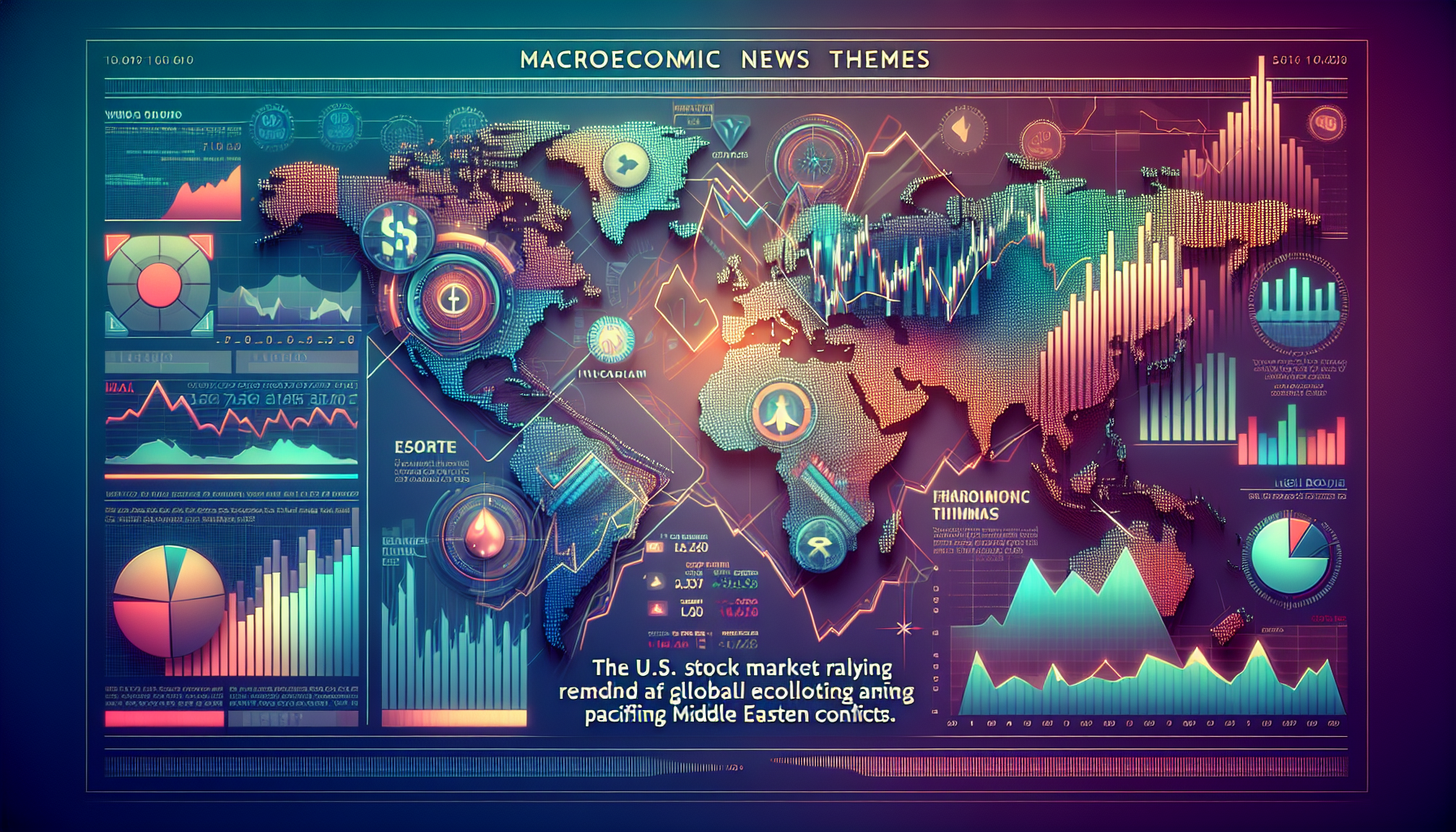
Wall Street's Optimistic Turn
The U.S. stock market has recently experienced a significant rally, buoyed by a combination of easing geopolitical tensions and optimistic investor sentiment. As the situation in Iran appears to stabilize, markets are responding positively, reflecting a collective sigh of relief among traders and analysts alike. The Dow Jones Industrial Average, the Nasdaq, and the S&P 500 have all shown impressive gains, raising questions about the sustainability of this upward momentum.
The Current Market Landscape
On the surface, the U.S. stock benchmarks are riding high, continuing their previous session's midday rally. As of the latest trading day, the Dow Jones has surged, closely followed by the Nasdaq and S&P 500, driven by a sense of optimism regarding global peace and stability. Crude oil prices, meanwhile, have corrected by another 5%, reflecting a potential easing of inflationary pressures that have plagued the markets in recent months.
This rally, often referred to as the "peace rally," reflects investor hopes that diplomatic negotiations will lead to a more stable geopolitical climate. However, the path to lasting peace is fraught with complexities, and analysts are watching closely for signs that could impact market dynamics.
Understanding the Peace Rally
The term "peace rally" encapsulates a market response to reduced geopolitical tensions. Historically, markets tend to react positively when uncertainty diminishes, particularly in regions that are critical to global supply chains, such as the Middle East.
Why Tensions Matter
Geopolitical tensions, particularly those involving oil-producing nations, have a significant influence on market performance. The ongoing situation in Iran, where diplomatic efforts are underway, has raised hopes for a resolution that could stabilize oil prices and, by extension, inflation levels.
- Oil Prices: The recent correction in crude oil prices can be attributed to a combination of factors, including increased supply, reduced demand forecasts, and the potential for an easing of tensions in the Middle East. - Inflation Implications: Lower oil prices are crucial as they directly impact transportation and manufacturing costs, which in turn influence consumer prices. The hope is that a stable oil market will lead to lower inflation, benefiting consumers and businesses alike.
Analyzing Economic Indicators
Despite the positive market sentiment, the economic landscape remains complex. The latest data on the Producer Price Index (PPI) has raised eyebrows, as it fell short of analysts' expectations.
What is PPI and Why Does It Matter?
The PPI measures the average change over time in the selling prices received by domestic producers for their output. It is a critical indicator of inflation at the wholesale level and can provide insights into future consumer price trends.
- Recent PPI Data: The latest report indicated a lower-than-expected rise in producer prices, signaling that inflationary pressures might be easing. This could lead to more stable economic growth, which is crucial for sustaining the current rally.
Balancing Optimism with Caution
While the market is currently buoyed by optimism, it’s essential to maintain a balanced perspective. Analysts warn that the economic recovery is still fragile, and several factors could derail the current rally:
- Geopolitical Risks: Any sudden resurgence of tensions in the Middle East could quickly change the market's trajectory. - Economic Data Volatility: Future economic indicators, including employment rates and consumer spending, will play a crucial role in determining the sustainability of the rally. - Federal Reserve Policies: The actions of the Federal Reserve regarding interest rates will also be pivotal. If inflation remains a concern, the Fed may adjust its monetary policy, impacting market dynamics.
Real-World Implications
The current situation in the stock market has real-world implications for everyday investors and businesses alike.
For Investors
For retail investors, the rally presents an opportunity to reassess portfolios. The momentum in blue-chip stocks, particularly those within the Dow Jones, suggests that now may be a good time to consider reallocating investments towards sectors that are poised to benefit from a more stable geopolitical environment.
- Sector Analysis: - Energy: If oil prices continue to stabilize, energy stocks may experience a rebound. - Consumer Staples: These stocks tend to perform well in uncertain times as consumers prioritize essential goods.
For Businesses
Businesses must navigate this optimistic environment with caution. While a rally can signal improved consumer confidence, companies need to remain vigilant about the potential for inflationary pressures to resurface.
- Supply Chain Management: Companies should focus on optimizing supply chains to mitigate risks associated with price fluctuations. - Strategic Planning: Long-term planning must incorporate geopolitical risks and economic forecasts to remain resilient.
The Bigger Picture: Global Perspectives
The implications of the U.S. stock market's performance extend beyond national borders. Global markets are interconnected, and shifts in U.S. stock performance can influence investor sentiment worldwide.
International Investors
International investors are closely monitoring the U.S. markets, as they often serve as a bellwether for global economic trends. A sustained rally in the U.S. could lead to increased capital inflows from abroad, potentially stabilizing other markets.
Emerging Markets
Emerging markets, often more volatile, may experience ripple effects from the U.S. rally. If investor confidence in the U.S. remains strong, it could lead to increased investment in emerging economies as investors seek higher returns.
Conclusion: A Balanced Outlook
The current state of the U.S. stock market is a fascinating blend of optimism and caution. The ongoing "peace rally" reflects a collective hope for stability in a world marked by uncertainty. However, as history has shown, markets can be unpredictable, and investors must remain vigilant.
In the coming weeks, investors and analysts alike will be watching for key economic indicators, geopolitical developments, and Federal Reserve actions, all of which will play a crucial role in determining the sustainability of this rally. While the current mood on Wall Street is optimistic, a balanced approach that considers potential risks and opportunities will be essential for navigating the complexities of today’s financial landscape.
Comments 0
Log in to join the conversation.








No comments yet. Be the first to share your thoughts!