




Introduction: The Fed's Crucial Decision
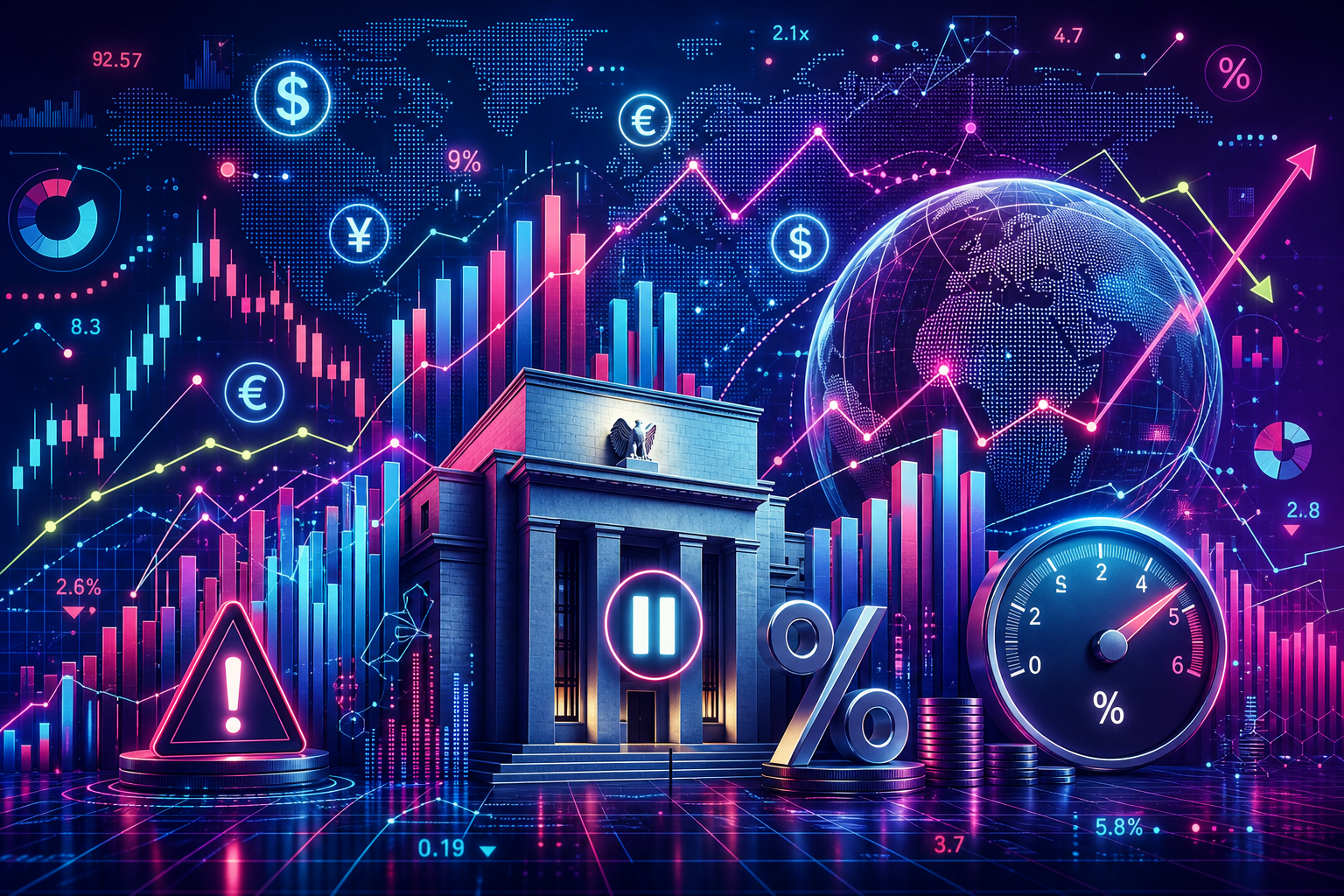
On October 28, 2023, the Federal Reserve concluded its policy meeting, announcing that it would keep interest rates unchanged. This decision was largely anticipated by market participants, yet it has ignited a flurry of discussions among analysts and investors. Many are questioning whether this pause is a sign of a dovish shift in policy or merely a temporary measure in the face of ongoing economic challenges.
Understanding the Federal Reserve's Role
The Federal Reserve, the central banking system of the United States, plays a critical role in shaping monetary policy. Its primary objectives are to promote maximum employment, stabilize prices, and moderate long-term interest rates. The Fed adjusts interest rates as a tool to influence economic activity. When inflation rises, the Fed typically raises rates to cool down spending and investment. Conversely, lower rates are used to stimulate the economy during downturns.
Current Economic Landscape
Persistent Inflation
Despite the Fed's pause, inflation remains a significant concern. As of October 2023, inflation is being driven by several factors:
- Elevated Energy Prices: Volatile energy markets contribute to rising costs, affecting everything from transportation to consumer goods.
- Robust Capital Investment: Businesses are investing heavily, which can drive demand and, consequently, prices.
The Consumer Price Index (CPI) has shown resilience in remaining above the Fed's target of 2%, leading economists to predict that inflation may not decline as swiftly as anticipated.
Elevated Treasury Yields
Another critical factor influencing market dynamics is the rise in Treasury yields. High long-term Treasury yields often signal investor concerns about inflation and economic growth. As yields increase, they create a benchmark that can lead to higher borrowing costs across the economy. This scenario pressures both consumer spending and corporate capital expenditures, which in turn can stifle equity market growth.
The Bullish Case for Equities: Is It Fading?
Many investors have been leaning toward a bullish outlook on equities, buoyed by a strong labor market and corporate earnings. However, the current economic conditions challenge this optimism:
- Valuation Concerns: Equities appear expensive relative to the yields on high-quality bonds. Historically, when bond yields rise, equity valuations tend to compress as investors seek higher returns from fixed-income assets.
- Corporate Cash Flow Pressures: High-interest rates can significantly impact free cash flow for corporations. Many companies may struggle to maintain profitability as borrowing costs rise, potentially leading to lower stock prices.
The Implications of the Fed's Decision
No Dovish Pivot in Sight
While some might interpret the Fed's decision to pause rate hikes as a dovish pivot, the reality is more complex. Fed officials have reiterated their commitment to combatting inflation and suggested that further rate hikes could be on the horizon if inflation does not subside. This means that the current market environment does not support broad gains in equities, particularly as investors grapple with the potential for additional tightening.
Economic Growth Projections
The Fed's assessment of the economy has been relatively optimistic, noting strength in various sectors. However, market analysts caution that this outlook may not be sustainable in the face of persistent inflation and high borrowing costs. The potential for future rate increases could dampen consumer and business sentiment, leading to a slowdown in economic growth.
Real-World Examples: Navigating the Current Market
The Impact on Sectors
Different sectors react uniquely to the current economic climate. For instance:
- Technology: High-growth tech companies often rely on low-interest rates for expansion. As rates rise, their valuations may compress, leading to corrections in stock prices.
- Consumer Staples: Companies in this sector may fare better during inflationary periods, as they provide essential goods. However, even they are not immune to rising costs and supply chain issues.
- Financials: Banks and financial institutions might benefit from higher rates, as they can charge more for loans. However, they must also navigate potential increases in default rates amid economic uncertainty.
The Broader Implications for Investors
Diversification Strategies
Investors need to rethink their strategies in the context of rising rates and inflation. Diversification across asset classes may help mitigate risks associated with stock market fluctuations. Some potential avenues include:
- Fixed Income: As Treasury yields rise, investors may find value in bonds, particularly if they anticipate further rate hikes.
- Commodities: Investing in commodities can serve as a hedge against inflation. Precious metals and energy assets often retain value during inflationary periods.
- Real Estate: Real assets like real estate can also act as a hedge against inflation, although high borrowing costs may impact housing demand.
Balancing Perspectives: Cautious Optimism
While the Fed's pause on interest rates may initially seem like a sign of stability, it's crucial for investors to remain cautious. The underlying economic indicators suggest that challenges persist, and a robust equity market may not be on the horizon.
Investors must balance their optimism with a realistic understanding of the Fed's commitment to fighting inflation. The possibility of further rate hikes looms large, and as the economic landscape continues to evolve, market participants should remain vigilant and adaptable.
Conclusion: Navigating Uncertainty
The Federal Reserve's decision to maintain interest rates is a pivotal moment in the current economic climate. With inflation still a pressing concern and Treasury yields elevated, the market's bullish sentiment may be unwarranted. Investors should approach the coming months with caution, considering the broader implications of monetary policy and economic indicators.
As we navigate through these uncertain times, understanding the signals from the Fed and the broader economic landscape will be essential for making informed investment decisions. Whether you're a seasoned investor or just starting, staying informed and adaptable will be key to thriving in this complex financial environment.








No comments yet. Be the first to share your thoughts!