




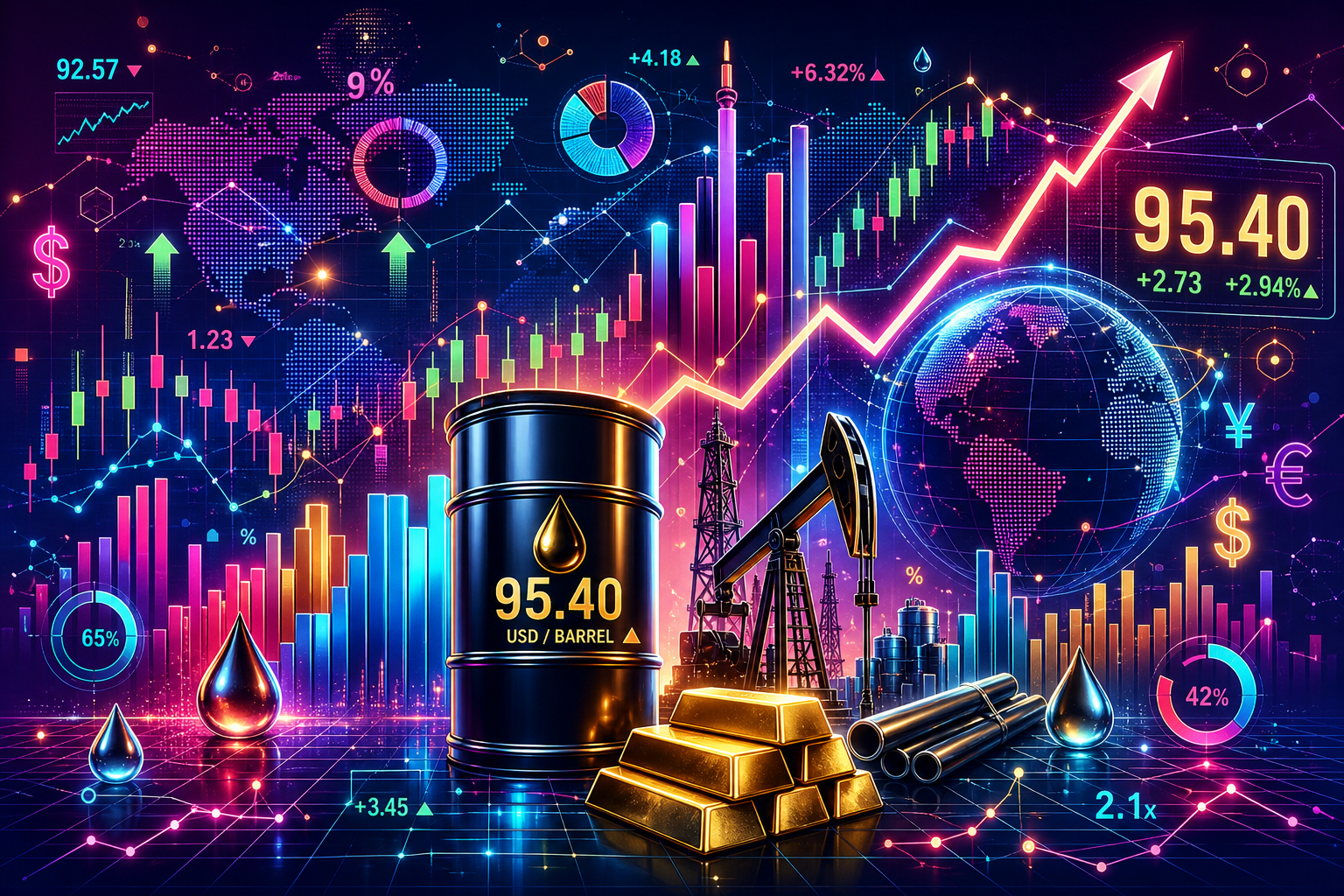
As of 6:15 a.m. Eastern Time on August 20, 2026, oil prices have climbed to $95.40 per barrel, marking an increase of $1.80 from the previous day and a staggering $28.19 gain compared to this time last year. This surge in oil prices raises critical questions: What is driving this increase, how will it affect consumers and the broader economy, and what can we expect for the future?
The Dynamics of Oil Pricing
Oil prices are notoriously volatile, influenced by a myriad of factors ranging from geopolitical tensions to natural disasters. The fundamental economic principles of supply and demand form the backbone of oil pricing. In times of uncertainty—be it due to potential recessions, military conflicts, or global pandemics—oil markets can experience rapid shifts.
Geopolitical Factors: Recent conflicts in oil-rich regions and sanctions against major oil producers have tightened supply chains, prompting traders to bid up prices. For instance, the ongoing tensions in the Middle East frequently create fears of supply disruptions, affecting trading behaviors in oil markets.
Economic Conditions: Similarly, indicators of economic health—such as manufacturing output and employment rates—can signal changes in demand. An economy on the upswing typically leads to increased demand for oil, further pushing prices upward.
Translating Oil Prices to Gas Costs
A significant portion of what consumers pay at the gas pump is directly linked to crude oil prices. However, the journey from crude oil to gasoline involves several additional costs:
- Refinery Costs: The process of transforming crude oil into gasoline incurs expenses, which are reflected in the final price.
- Wholesalers and Retail Markups: Various middlemen add their margins before gas reaches consumers.
- Government Taxes: Taxes imposed at federal, state, and local levels also contribute to the final price per gallon.
On average, crude oil comprises over 50% of the total cost of gasoline. When oil prices rise sharply, these increases are quickly reflected at the pump. Conversely, when oil prices drop, the decrease in gas prices tends to lag due to the "rockets and feathers" phenomenon—prices shoot up quickly but fall slowly.
The U.S. Strategic Petroleum Reserve: A Safety Net
In times of crisis, the United States relies on its Strategic Petroleum Reserve (SPR), a vast stockpile of crude oil set aside for emergencies. Established in the 1970s in response to the Arab oil embargo, the SPR serves several critical functions:
- Crisis Management: It provides a buffer during major disruptions, such as hurricanes that damage refineries or geopolitical conflicts that impact supply chains.
- Price Stabilization: By releasing oil during price spikes, the SPR helps to mitigate extreme fluctuations, providing temporary relief to consumers and businesses.
It's important to note that while the SPR can offer short-term relief, it is not a long-term solution. The reserve is designed to stabilize prices during emergencies but does not address underlying issues in global oil supply and demand.
The Interconnection of Oil and Natural Gas Prices
Oil and natural gas are fundamentally interconnected commodities, often influencing one another's pricing dynamics. When oil prices rise, some industries may pivot to using natural gas as a substitute, thereby increasing demand and potentially driving up natural gas prices.
For instance, during periods of high oil prices, industrial users might switch from oil to natural gas for heating or manufacturing processes. This substitution effect can create ripple effects across the energy market, complicating pricing strategies for both oil and gas.
Historical Performance of Oil Prices
To understand the current landscape, it’s essential to examine the historical performance of oil prices. The oil market is typically benchmarked against two primary indices: Brent Crude and West Texas Intermediate (WTI).
- Brent Crude: Regarded as the global oil benchmark, Brent prices are influenced by a broader set of international factors.
- WTI: Primarily used in North America, WTI prices reflect the domestic supply and demand dynamics.
Historically, oil prices have experienced tremendous volatility, influenced by various geopolitical and economic events:
- The 1970s Oil Crisis: The Yom Kippur War led to an oil embargo by Arab nations, causing prices to soar and highlighting the world's dependency on oil.
- The 1980s Price Collapse: Increased production from non-OPEC countries, coupled with reduced demand, saw prices plummet.
- The 2008 Financial Crisis: High global demand propelled prices to record highs before a steep decline as economic activity slowed.
- The COVID-19 Pandemic: In 2020, oil demand collapsed, driving prices below $20 per barrel, a historic low.
This tumultuous history underscores the inherent unpredictability of oil prices, shaped by a multitude of external factors ranging from international conflicts to domestic policy shifts.
The Impact of U.S. Shale Oil Production
The rise of U.S. shale oil production has fundamentally reshaped the global energy landscape. Shale formations, rich in oil and gas, have become increasingly accessible due to advances in extraction technologies such as hydraulic fracturing and horizontal drilling.
The implications of ramped-up shale production are significant:
- Increased Supply: More shale oil in the market means a greater supply, which can mitigate price spikes.
- Global Competitiveness: U.S. shale oil has allowed the country to emerge as a leading oil producer, challenging OPEC's historical dominance.
For example, between 2010 and 2020, U.S. shale production surged, contributing to a global oversupply that drove down prices and altered trading dynamics.
Oil Prices and Their Broader Economic Implications
The current surge in oil prices has far-reaching implications for inflation and the overall economy. High oil prices often translate into increased costs for everyday goods and services.
- Inflationary Pressures: As energy costs rise, transportation and production expenses increase, driving up prices for consumers. This inflation can significantly impact discretionary spending, leading to slower economic growth.
- Logistics Costs: Higher shipping costs can affect prices at grocery stores, as it becomes more expensive to move products from warehouses to retail locations.
Policymakers must tread carefully in this environment. While high oil prices can incentivize investment in alternative energy sources, they can also stifle economic growth if they persist too long.
Conclusion: Navigating the Future of Oil Prices
As we analyze the current oil landscape, it is clear that the factors driving prices are complex and multifaceted. For consumers, understanding these dynamics is crucial in anticipating changes at the gas pump and in the price of goods and services.
In the coming months, we may see fluctuations in oil prices as geopolitical tensions evolve and global demand continues to shift. Investors, businesses, and consumers alike will need to stay informed about these developments to navigate the changing economic landscape effectively.
Additional Insights
For those interested in staying up-to-date on energy developments, it’s essential to track not just oil prices but also broader market trends. Events such as agreements among OPEC+ nations, advancements in renewable energy technologies, and shifts in consumer behavior will play a pivotal role in shaping the future of oil and energy markets.
In this ever-evolving landscape, the connection between oil prices and the global economy cannot be understated. As we move forward, monitoring these trends will be crucial for making informed decisions in both personal finance and investment strategies.








No comments yet. Be the first to share your thoughts!