





Introduction: The Corporate Tax Landscape
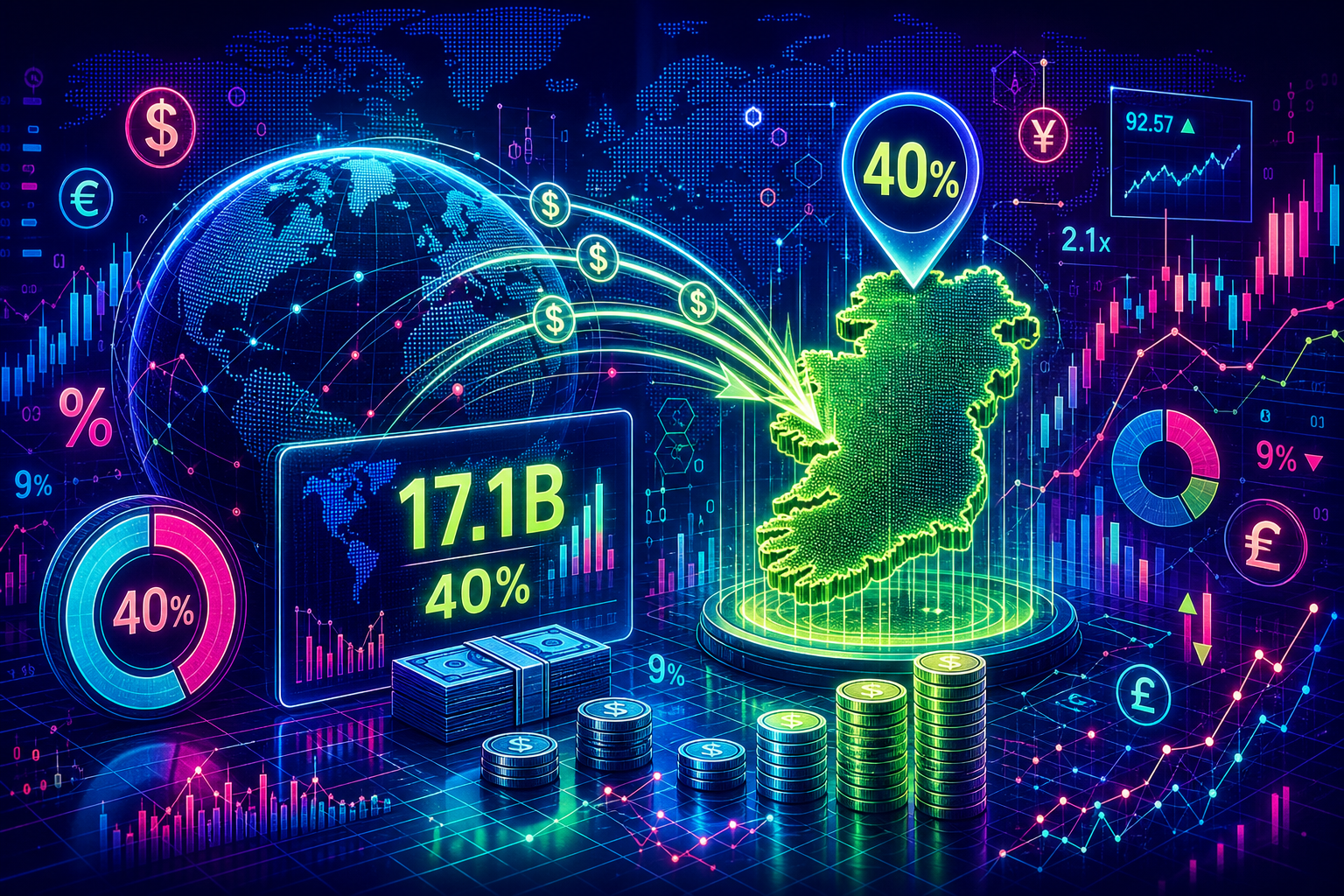
In an era marked by corporate giants wielding significant economic power, the complexities of multinational tax strategies have never been more pronounced. Apple's recent announcement detailing its tax payments to Ireland offers a fascinating case study. The tech titan reported that it paid $17.1 billion in taxes to Ireland in the last fiscal year, accounting for approximately 40% of its total global tax liabilities. This substantial figure not only underscores Apple's role as a significant contributor to the Irish economy but also highlights the intricate web of international tax laws that govern how corporations operate.
Background: Apple and Ireland’s Tax Relationship
Apple's relationship with Ireland dates back several decades and has become emblematic of the broader discussions surrounding corporate taxation in the European Union. Ireland has positioned itself as a favorable destination for U.S. multinationals, attracting many companies with its low corporate tax rate of 12.5%. This rate is significantly lower than the average corporate tax rates in other European countries, creating an attractive environment for businesses looking to minimize their tax burdens.
In 2016, the European Commission accused Ireland of granting Apple illegal tax benefits, claiming that the arrangement allowed the company to divert profits away from other countries, thus distorting competition within the single market. This led to a lengthy legal battle that culminated in a ruling by the European Court of Justice in 2024, which ordered Apple to pay approximately €13 billion (around $15.18 billion) in back taxes to Ireland. This ruling underscored the tensions between national interests and EU regulations as member states strive to retain their competitive edge for foreign investment.
The Tax Payment Breakdown: What It Means for Apple and Ireland
The recent tax payment by Apple is significant for several reasons:
-
Size of the Payment: The $17.1 billion tax payment is not just a reflection of Apple's massive revenue but also an indicator of the company's commitment to complying with tax regulations, even amidst ongoing scrutiny.
-
Inclusion of Back Taxes: A considerable portion of this payment is attributed to back taxes required by the European court ruling. Apple noted that the amount paid to Ireland was "significantly higher" than the income taxes accrued for the year, which raises questions about how multinational corporations manage their tax liabilities.
-
Impact on Ireland’s Economy: As one of the largest taxpayers in Ireland, Apple plays a crucial role in the country’s economy. The taxes paid contribute to public services, infrastructure, and job creation, making Apple an integral part of Ireland's financial landscape.
Broader Implications: The Ongoing Debate over Corporate Taxation
The implications of Apple's tax strategy extend well beyond its corporate balance sheet. As governments around the world grapple with budget deficits exacerbated by the COVID-19 pandemic, the focus on corporate tax reform has intensified. There are several key areas of concern and discussion:
1. The Viability of Low Tax Jurisdictions
The attractiveness of low-tax jurisdictions like Ireland raises questions about the sustainability of such models. While these jurisdictions benefit economically from attracting foreign investment, they also face increasing pressure from both the EU and international bodies such as the OECD, which are advocating for a more equitable global tax system.
2. Increased Scrutiny from Regulatory Bodies
As multinational companies like Apple continue to engage in complex tax strategies, regulatory bodies are likely to increase scrutiny. Governments may introduce stricter regulations and transparency requirements to ensure that corporations pay a fair share of taxes.
3. The Role of Technology Companies
Tech companies, in particular, have come under fire for their tax practices. The digital economy presents unique challenges for traditional tax frameworks, leading to calls for new rules that account for how these companies operate and generate revenue.
Real-World Examples of Corporate Tax Strategies
Apple is not alone in navigating the complexities of international tax laws. Several other major corporations have taken similar approaches in their tax planning, often resulting in high-profile controversies:
-
Google: Like Apple, Google has faced scrutiny for its tax practices in Europe. The company has been accused of using complex corporate structures to minimize its tax liabilities, particularly in countries with higher tax rates.
-
Amazon: Amazon has also attracted attention for its tax strategies, including its significant use of subsidiaries in low-tax jurisdictions. The company’s tax payments have been a contentious topic, especially as it has grown its market share and revenue during the pandemic.
The Future of Corporate Taxation: Moving Toward Reform
The recent developments surrounding Apple's tax payments to Ireland signal a pivotal moment in the ongoing discourse on corporate taxation. As governments seek to adapt to an increasingly digital and global economy, the push for tax reform is likely to gain momentum. This may include:
-
Global Minimum Tax: The OECD has proposed a global minimum corporate tax rate to curb the race to the bottom in tax competition among countries. This initiative aims to ensure that corporations pay a baseline level of tax, regardless of where they operate.
-
Digital Services Tax: Many countries are exploring the introduction of a digital services tax, aimed at tech companies that generate substantial profits from local markets without paying commensurate taxes. This could reshape how companies like Apple and Google structure their operations.
Conclusion: A Balancing Act for Multinational Corporations
Apple’s significant tax payment to Ireland highlights the complexities of corporate tax strategies in a globalized economy. While the company’s compliance with tax regulations is commendable, the broader implications of its tax practices prompt ongoing discussions about fairness, equity, and the future of corporate taxation.
As governments and regulatory bodies continue to navigate these challenges, the need for a balanced approach becomes increasingly apparent. The intersection of corporate interests and public policy will undoubtedly shape the future landscape of international taxation, influencing how companies operate and contribute to the economies in which they thrive.
In a rapidly evolving financial world, the lessons learned from Apple’s tax strategies will resonate far beyond Ireland, serving as a case study for policymakers and corporations alike.








No comments yet. Be the first to share your thoughts!